-
The Ranis of Malayan Plantations
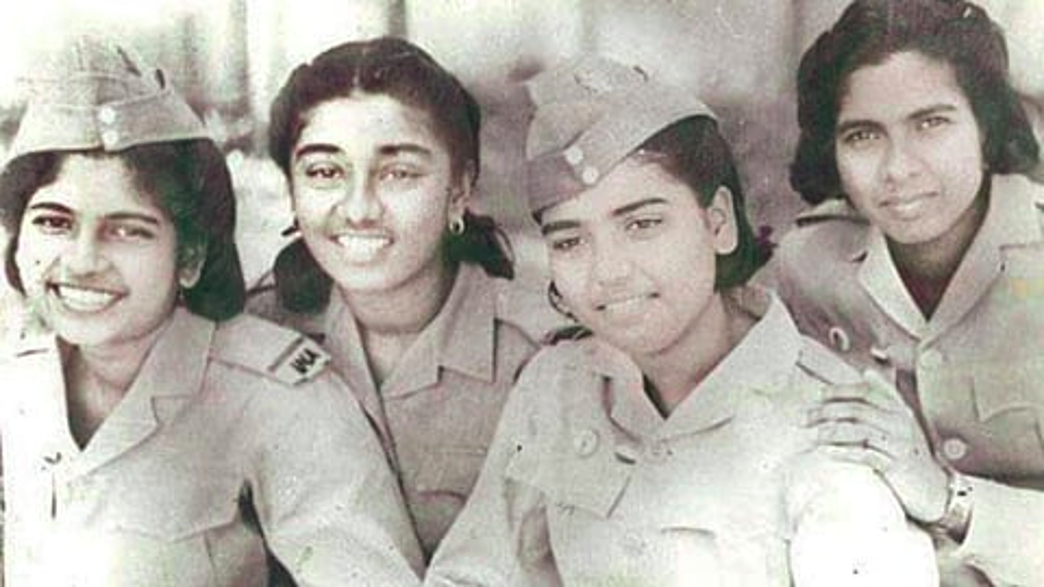
Loong Dien Min December 1941 not only marked the Japanese invasion of the Malay Peninsula, but also the birth of a transregional Indian nationalism involving the Tamil women of Malaya. Established in 1943 by an Indian nationalist leader, Netaji Subhash Chandra Bose, the Rani of Jhansi regiment was later known as the first all-female combat…
-
World War Two Knowledge Competition, 1995

Allan Pang Memories of the Japanese occupation during World War II have never been fully unified in Malaysia. Different communities remember the war through different experiences, and for Malaysian Chinese communities, this history has remained especially important. Chinese war memorials can be found across West and East Malaysia, while Chinese associations have continued to organise…
-
The Ideal Cook Contest, 1971

Allan Pang ‘The big hunt is on for the best cook in the territory. Man, woman or child.’ In 1971, from June until July, every newspaper publication in Malaysia and Singapore was actively on the search for the ‘best cook in the territory’ through their advertisements of ‘The Ideal Cook Contest’. Everyone living in the…
-
“I would do it all again”: Malaysian nurses in the NHS
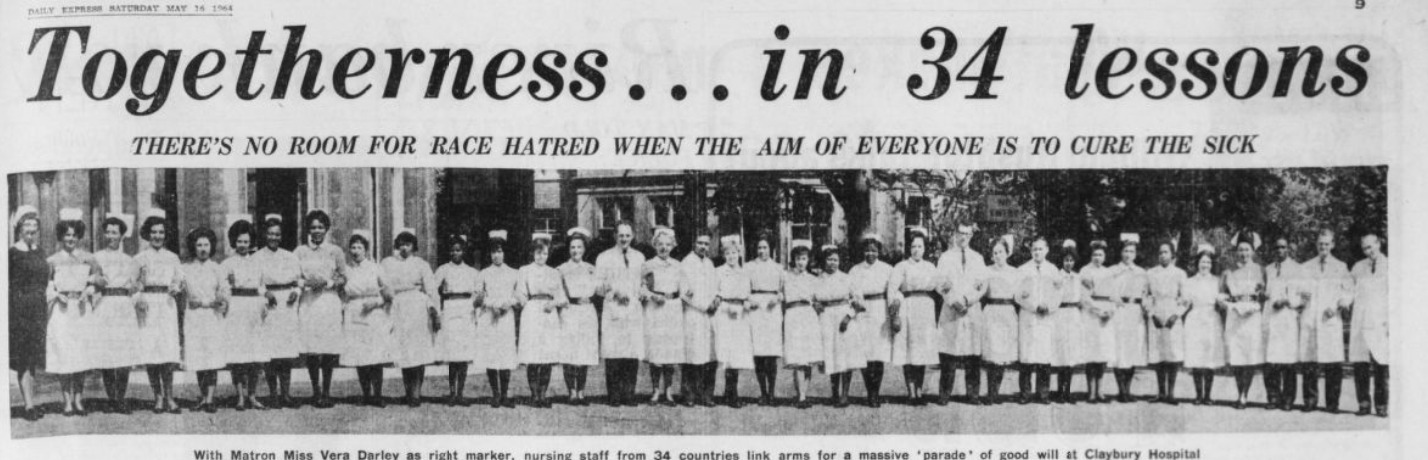
Research by Shirin Chua │ Design by Dennis Ong In May 1964, a British newspaper ran a feature on a hospital in Essex. Headlined “Togetherness … in 34 lessons”, it featured a photograph of nursing staff from 34 different countries, standing in a row with their arms linked. The reporter trumpeted that the nurses worked…
-
Cheng Kam Cheong 鄭錦昌 and the Big Boss 唐山大兄,1972

Allan Pang Among Cantonese communities in Southeast Asia, North America, and China, a shared experience would likely be ‘Cantopop’ – popular music sung in their spoken language. We now tend to think about Cantopop as something coming from Hong Kong. Is this the full picture of Cantopop’s history? In fact, the rise of Cantopop in Hong…
-
The Six Widows Case (1908)
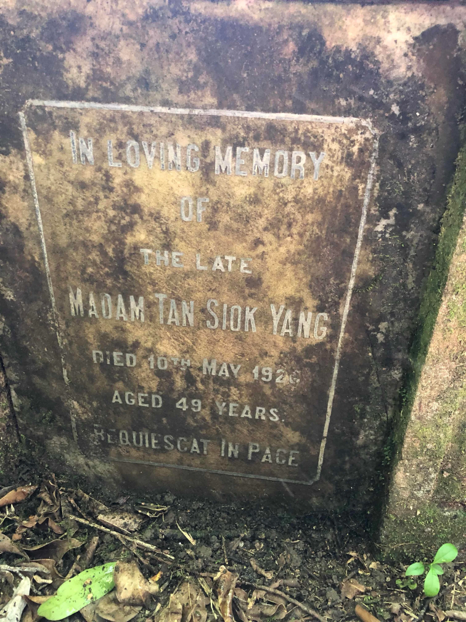
Loong Dien Min In English courts, laws were invented and reinvented as judges reasoned and made their decisions. These legal reasonings were occasionally backed by selecting a range of examples across borders. How judges chose examples impacted subsequent judgments in the courts of countries once colonised by the British. The Six Widows case, decided in…
-
Arabs, Waqfs and Legal Strategies
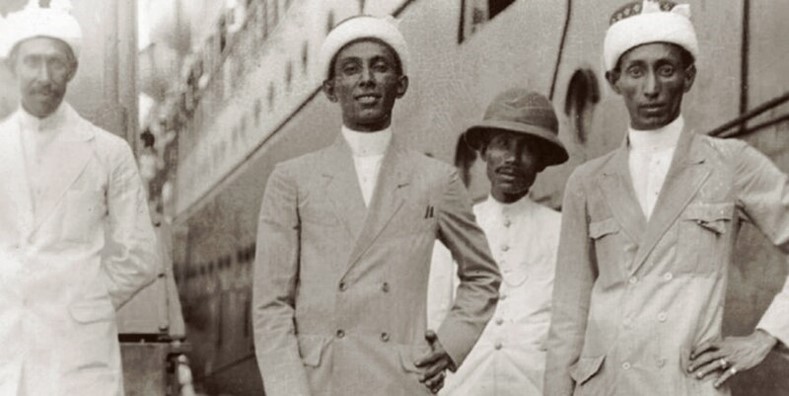
Research By Loong Dien Min The Arab diaspora traversed oceans, engaged in trade, and accumulated large amounts of wealth. As their assets grew, they needed to ensure that their property was protected from disintegration, especially after their deaths. One of the ways to do this was establishing waqfs, which were endowments donated permanently, either for…
-
P. Ramlee and Sergeant Hassan, 1958
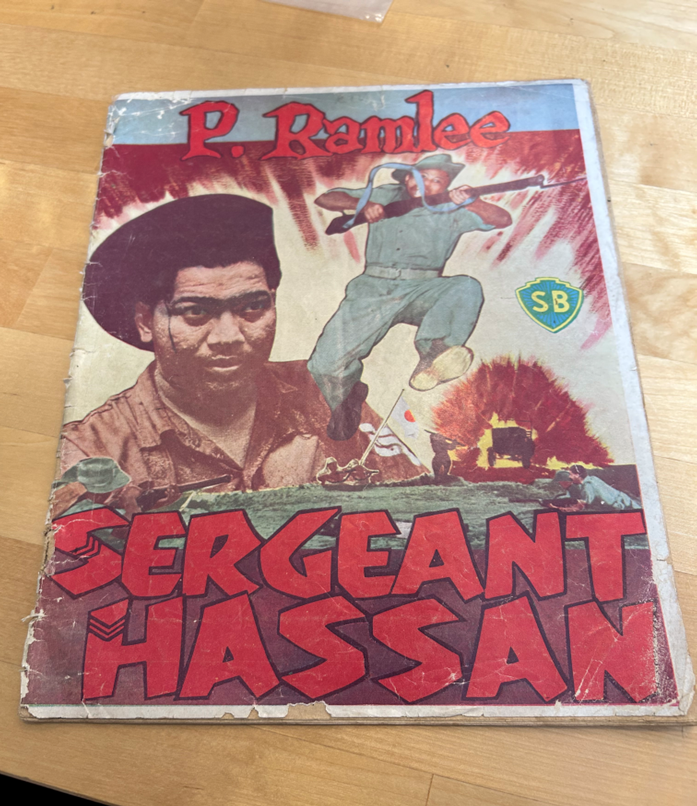
Research By Allan Pang In August 1958, the Shaws Malay Film Productions released a new film, Sergeamt Hassan, featuring P. Ramlee. Like many other Malay-language films of the era, this production had an ethno-national focus emphasising the Malays in Malaya. As Ralph Modder, author of the story, wrote for a promotional brochure, ‘[T]he story… is based…
-
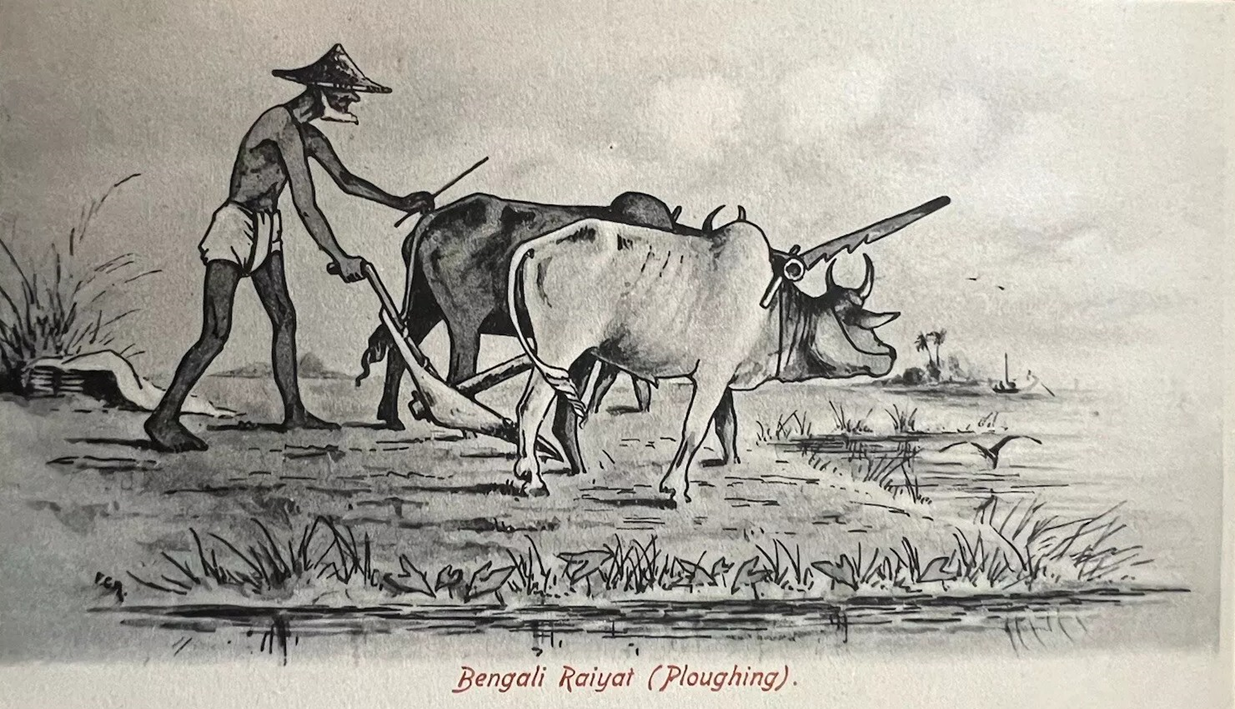
Petitions: Transregional Lives vs. Colonial Categories
-
Ho Ho Cup:The Making of Malayan Football and Futures
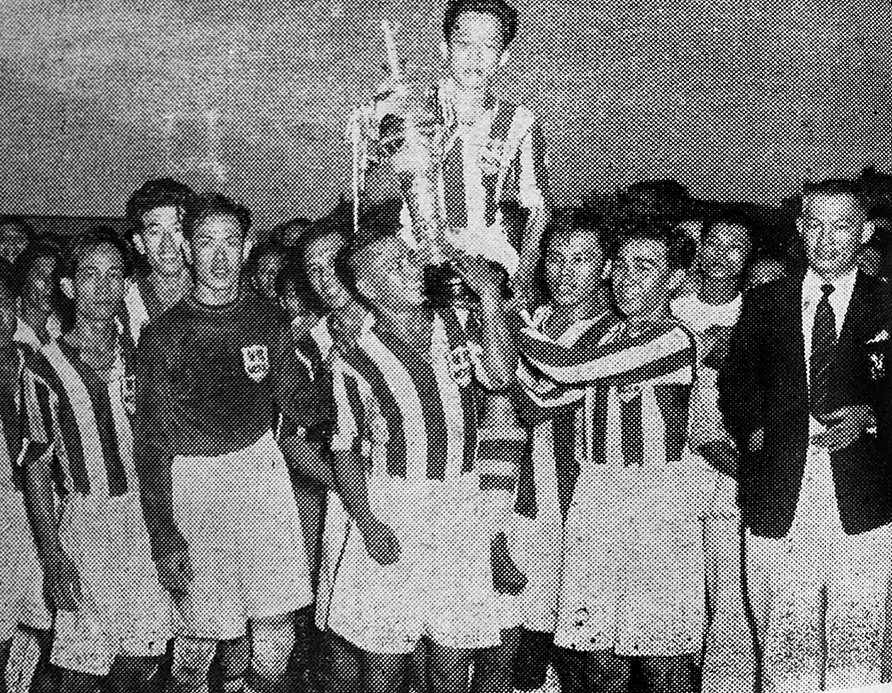
Research by Nathanael Lai │ Design by Dennis Ong The title of Ho Ho Cup derived from its patron, the Ho Ho Biscuit Factory in Singapore. First held in 1928, the Cup was intended to be a biannual inter-port football game, featuring players from across Chinese communities in Malaya and Hong Kong. During its existence,…
