
Allan Pang
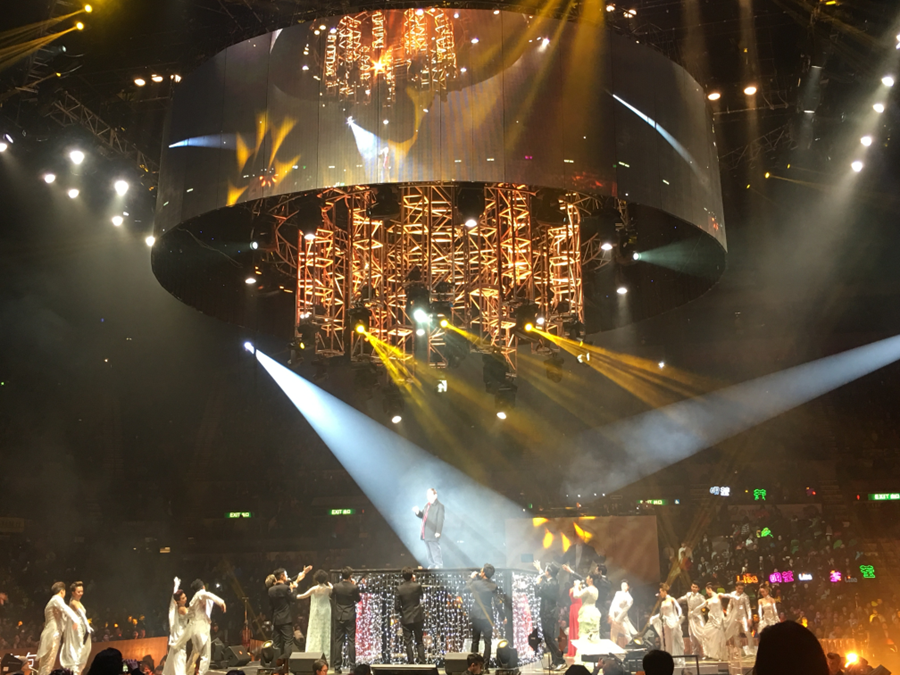
Among Cantonese communities in Southeast Asia, North America, and China, a shared experience would likely be ‘Cantopop’ – popular music sung in their spoken language. We now tend to think about Cantopop as something coming from Hong Kong. Is this the full picture of Cantopop’s history?
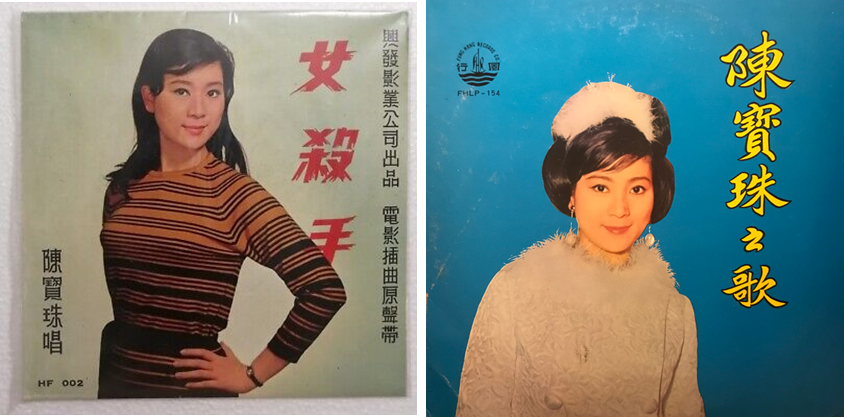
In fact, the rise of Cantopop in Hong Kong is partly a Malaysian story! During the late 1960s, the popularity of Cantonese movies and music declined in Hong Kong. Mandarin films and songs became the mainstream. However, Chinese communities in Southeast Asia, particularly Malaysia, continued to welcome Cantonese popular culture. For instance, movies and albums by Connie Chan 陳寶珠 were always well received by friends in Malaysia.
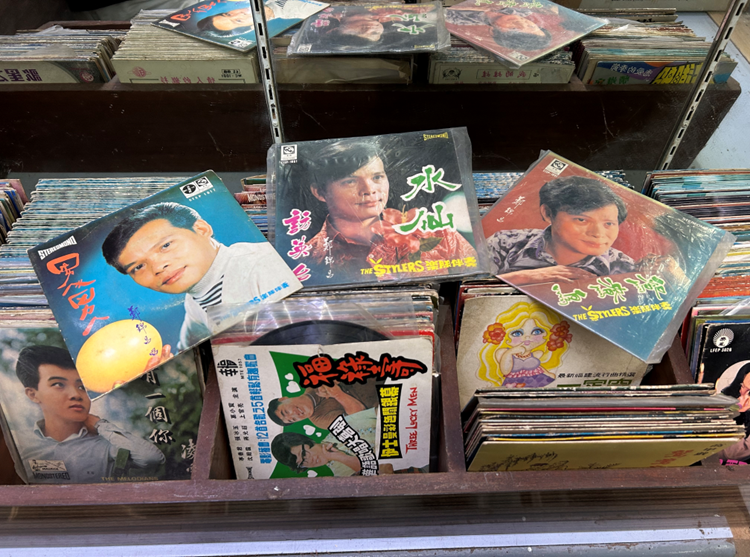
How did the Malaysian scene influence Cantopop in Hong Kong? The story began with a singer named Cheng Kam Cheong 鄭錦昌. Born in Malaya, he later started to perform Cantonese songs in Singapore. Originally invited to record a Cantonese opera album, Cheng proposed recording pop songs in Cantonese, with lyrics written by himself. This marked the beginning of his Cantopop career.

In 1969, Cheng performed his Cantonese songs in a television show in Hong Kong – Enjoy Yourself Tonight (EYT) by Television Broadcast Limited (TVB). He caught the attention of the Hong Kong audience, and his Cantopop became immensely popular. Local newspapers began to praise him for making Cantonese popular culture revive!
This is an excerpt from Hong Kong’s Kung Sheung Evening News (27 December 1973), describing Cheng’s influence on not only Hong Kong but also Taiwan singers!
One should credit the ‘prince’ [referring to Cheng] ten times for the popularity of Cantopop in Hong Kong… Not only Cantopop but also Cantonese movies, which had declined long time ago, became popular again because of his Cantopop. In recent years, all male and female singers from Taiwan had to perform Cantopop in cabarets. Songs by the ‘prince’ went deep into the society and enabled HK people to listen to Cantopop on any occasions. There were numerous Taiwanese singers who focuses on learning Cantopop. They bought Cheng’s albums to learn!
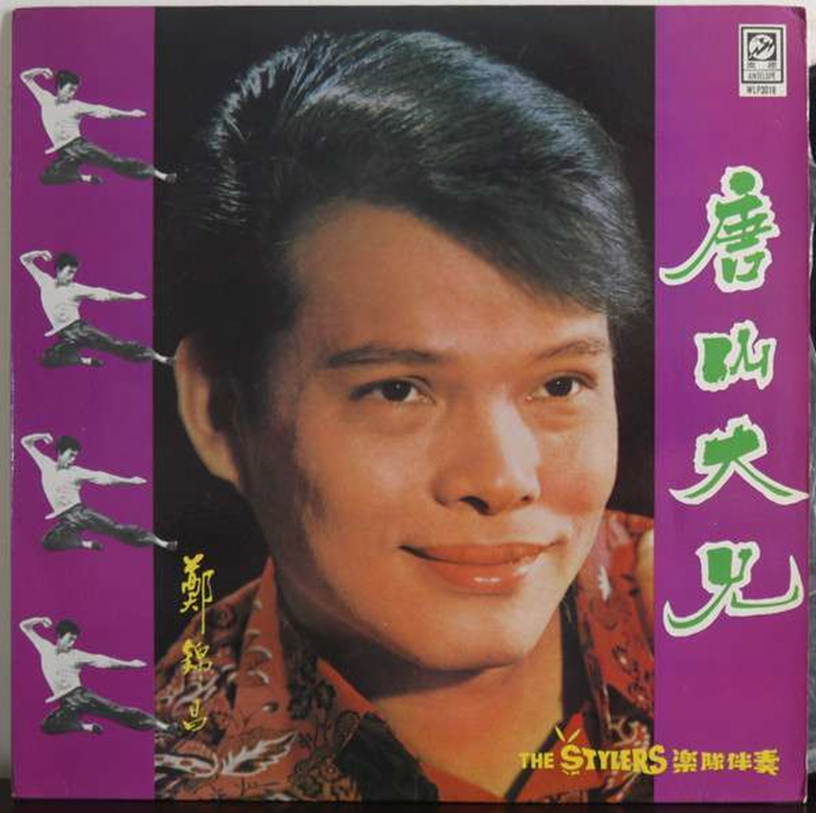
In 1972, he released another song titled ‘The Big Boss’ 唐山大兄, which became a big hit! He wrote the song to praise martial arts actor Bruce Lee after watching the film, which was also named ‘The Big Boss’. He also established fan clubs and performed across territories in Southeast Asia, North America, and Hong Kong before he passed away in 2019.
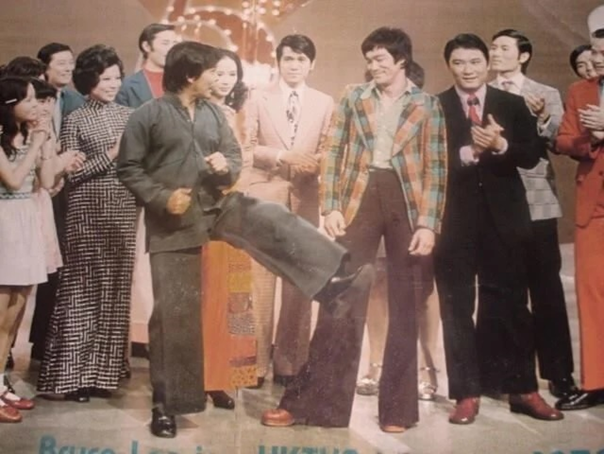
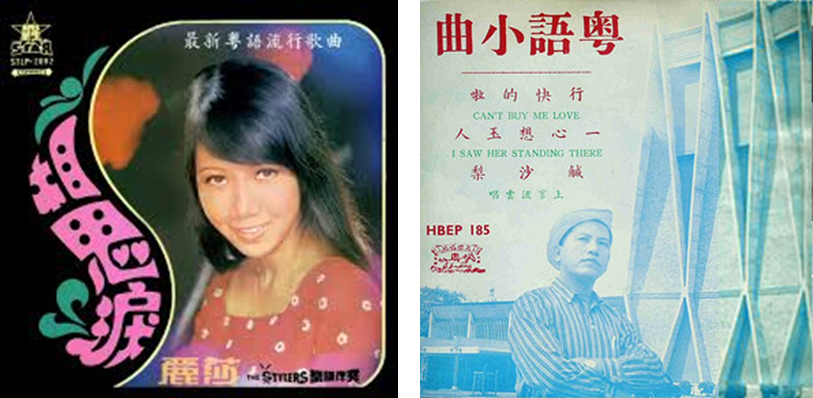
Cheng was not the only singer influencing the Hong Kong scene. Others, such as Lisa Wong 麗莎 and Shang Kuan Liu Yun 上官流雲, also brought their Cantopop to Hong Kong in this era. Their songs became transregional before Hong Kong became an international centre for exporting Cantopop, demonstrating Malaysia’s significant role in the world of Cantonese popular culture.
Further Readings
- Craig A. Lockard, Dance of Life: Popular Music and Politics in Southeast Asia (Honolulu: University of Hawai’i Press, 1998), chapter 5.
- Kam Hing Lee and Danny Tze-Ken Wong, ‘Chinese Popular Music as a Musical Heritage and Cultural Marker of the Malaysian Chinese’, International Journal of Heritage Studies 23, no. 10 (2017): 989-1001.
- For readers who can read Chinese, you can also refer to chapter two of 粵語流行曲七十年, (香港:亮光文化,2024)。