
Research by Nathanael Lai │ Design by Dennis Ong
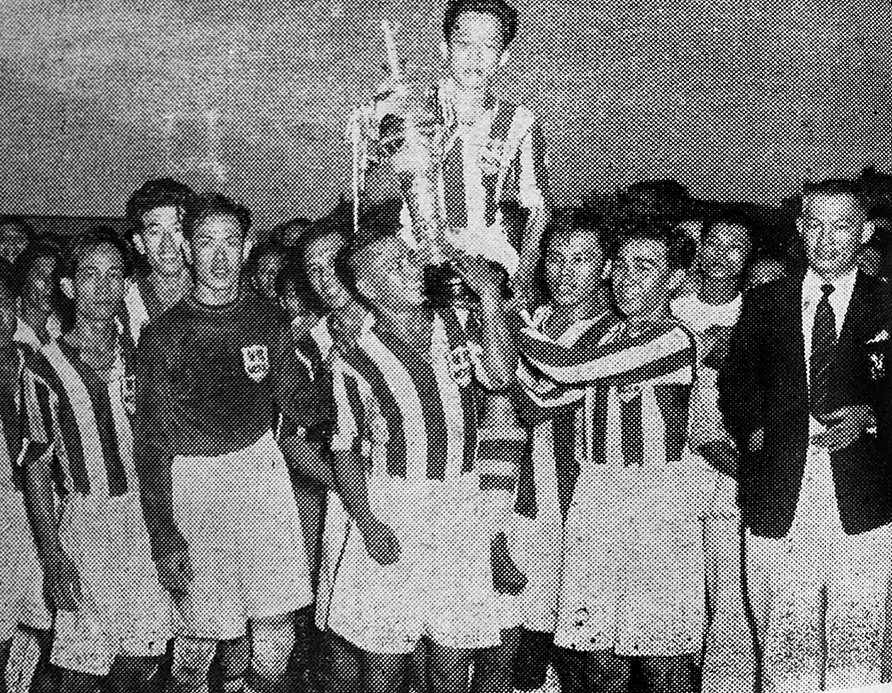
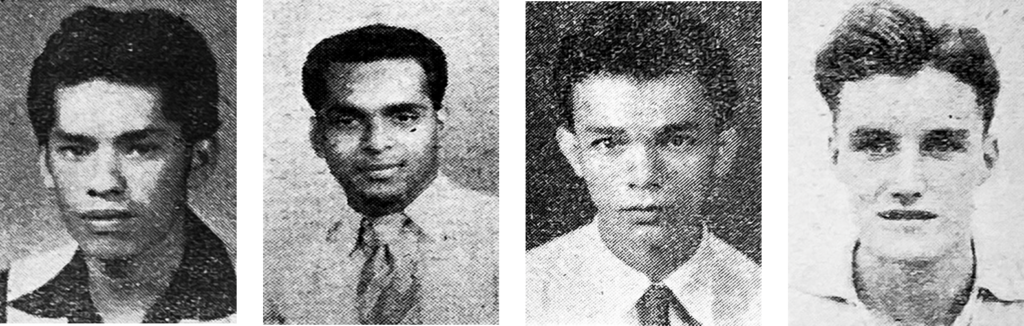
The title of Ho Ho Cup derived from its patron, the Ho Ho Biscuit Factory in Singapore. First held in 1928, the Cup was intended to be a biannual inter-port football game, featuring players from across Chinese communities in Malaya and Hong Kong. During its existence, the competition venue alternated between Hong Kong, Kuala Lumpur, Penang, and Singapore.
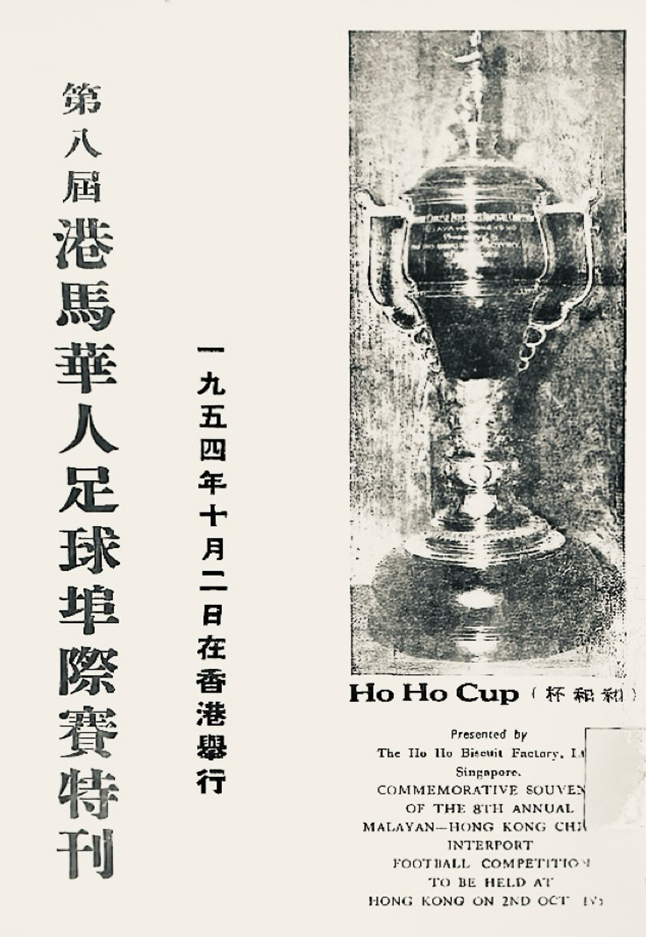
Source: Chinese in Southeast Asia Collection, National University of Singapore Library.
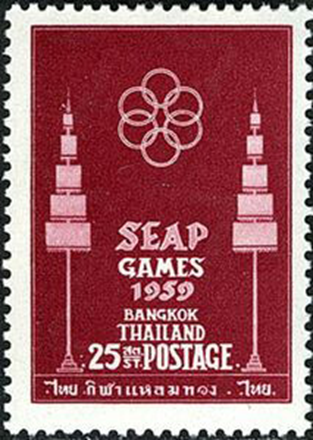
Yet as a result of logistical complications and the WWII, the Cup was only held regularly in the post-war era, where sports began to take hold across Asia, resulting in the likes of the first Asian Games in New Delhi in 1951, and the first South East Asia Peninsular Games (later the Southeast Asian Games) in Bangkok in 1959. Though largely forgotten today, the Cup itself was an important annual occasion of the Malaysian and Hong Kong sports circles until the 1980s, a cradle of footballers across both places—and more.
The Cup became the staple of a transregional sportscape in the age of decolonisation and the Cold War—where ideas about ethnicity, nation, and even Southeast Asia as a region were in flux. As those in Malaya began to think of “Malaya” as a nation and “Malayan” as a people, the Cup in the 1950s became a platform to ask questions like “Who am I?” and “What is Malaya?” As sports emerged as an activity linking peoples, nations, and regions, the Cup also allowed for reflections on “Southeast Asia” as a geographical invention of the post-war era.
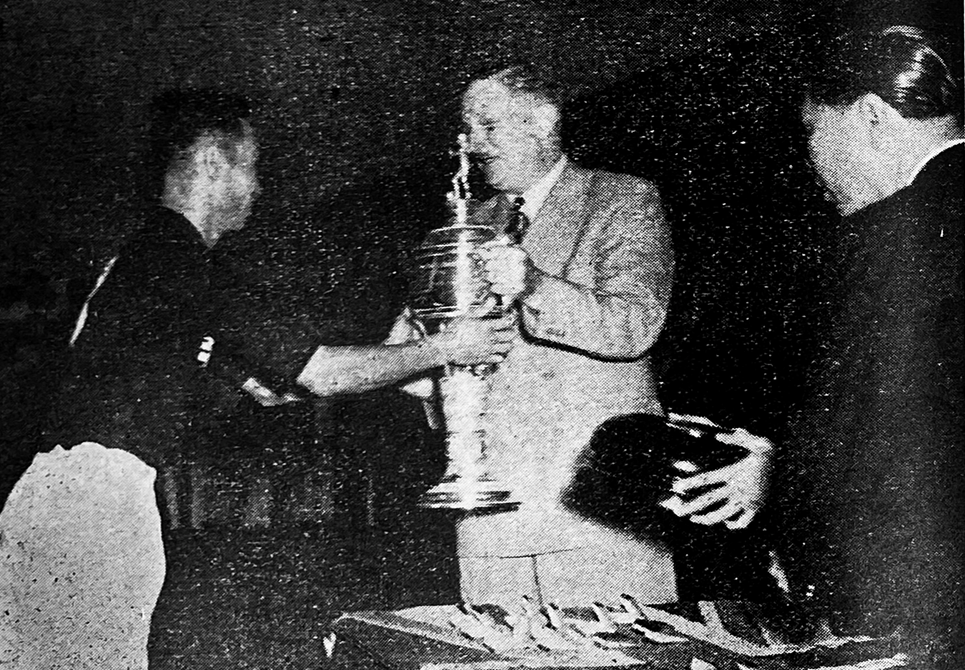
Indeed, the Cup was about soul searching for some Malayan Chinese footballers. By engaging with Hong Kong footballers, they thought of the Cup as a way to connect with their Chinese “homeland”. Curiously, the British colony of Hong Kong became their imaginary of China or the Chinese “homeland”. Cold War politics, in particular fears of communism amongst British colonial officials in Malaya and Singapore, made it problematic to maintain direct contacts with what had become communist China.
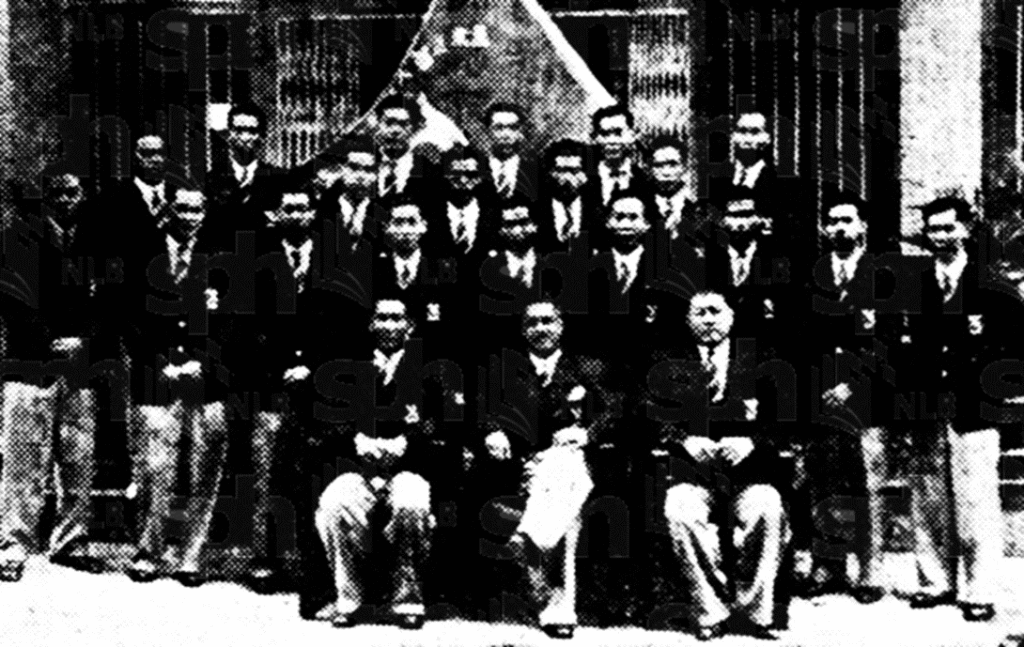
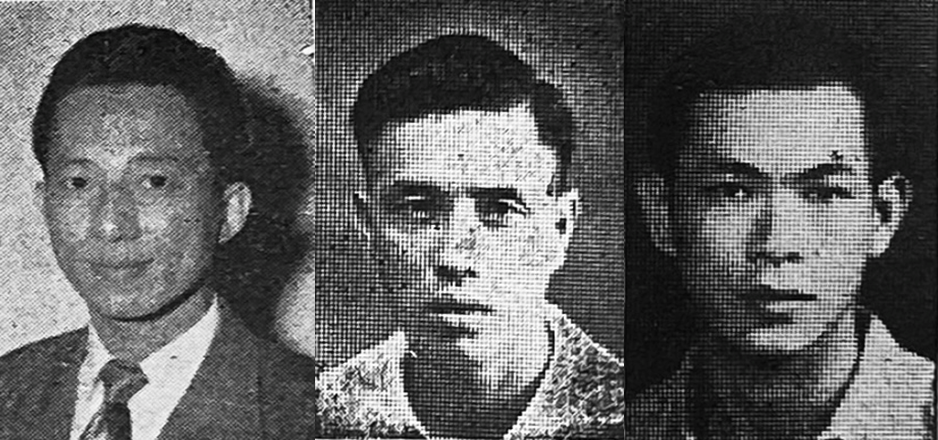
Others wanted the Cup to be a conduit for bringing “Southeast Asians” together. One of the Cup’s chief architects Chan Lai Hong, himself President of the Malayan Chinese Football Association, not only wished the Cup could connect Chinese communities across Southeast Asia. He envisioned it to involve “friends throughout Southeast Asia”, including the Vietnamese, Thai, Burmese, and Indonesians. Unlike present-day conception of the region, his idea of “Southeast Asian friends” also included peoples of Pakistan and India.
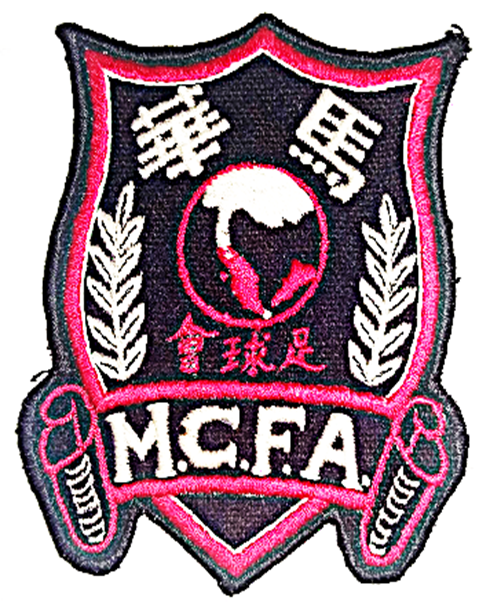
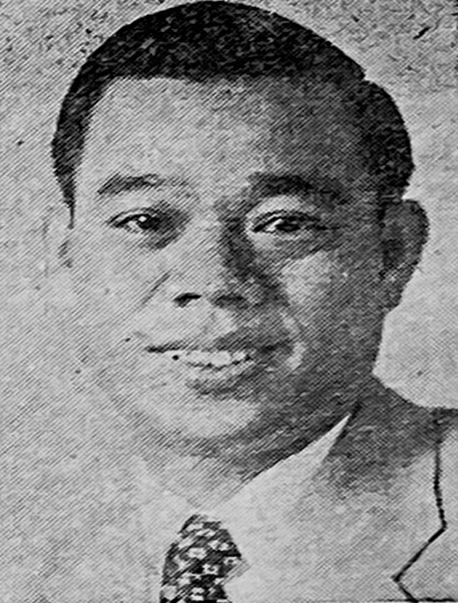
Still others began to imagine or strive for a more multicultural, multiracial Malayan society. While the Cup was predominantly a Chinese game—run by Chinese sports associations and aimed to tighten ties between Chinese communities—the leader of the Malayan team often involved players from other communities. Whether Chinese, Malay, Indian, Peranakan, or European, players from across Malaya competed with their Hong Kong counterparts for the Cup. This was in keeping with the broader context of the Malayan sports circle, where visions for more cosmopolitan sports groups began to emerge in the 1950s.
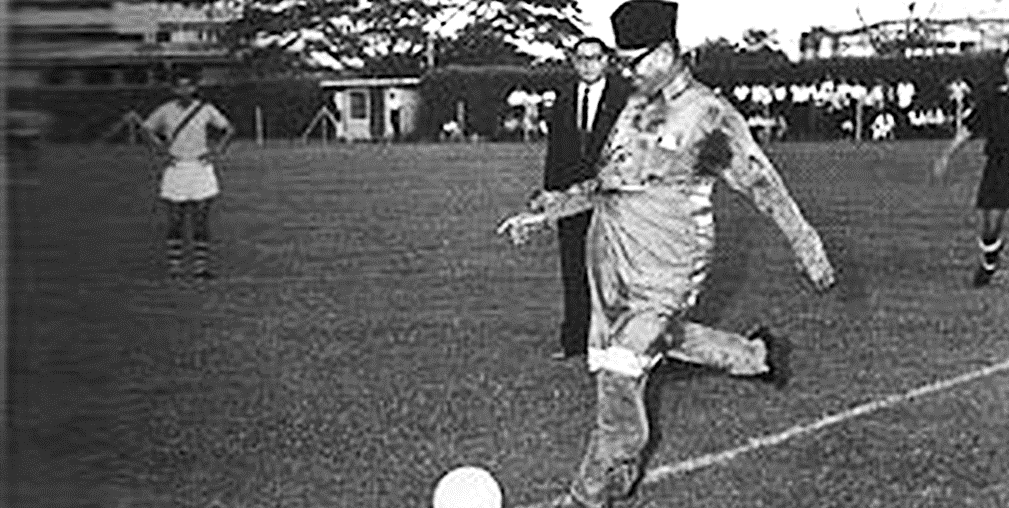
Even Tunku Abdul Rahman, himself President of the Football Association of Malaya at the time, made use of the Cup in 1954 as an occasion to promote his visions of a cosmopolitan Malayan sports scene and, perhaps, nation. To be sure, this tied in with his broader political project in the mid-1950s. His Alliance Party would win a general election in a year’s time precisely by advocating inter-racial harmony
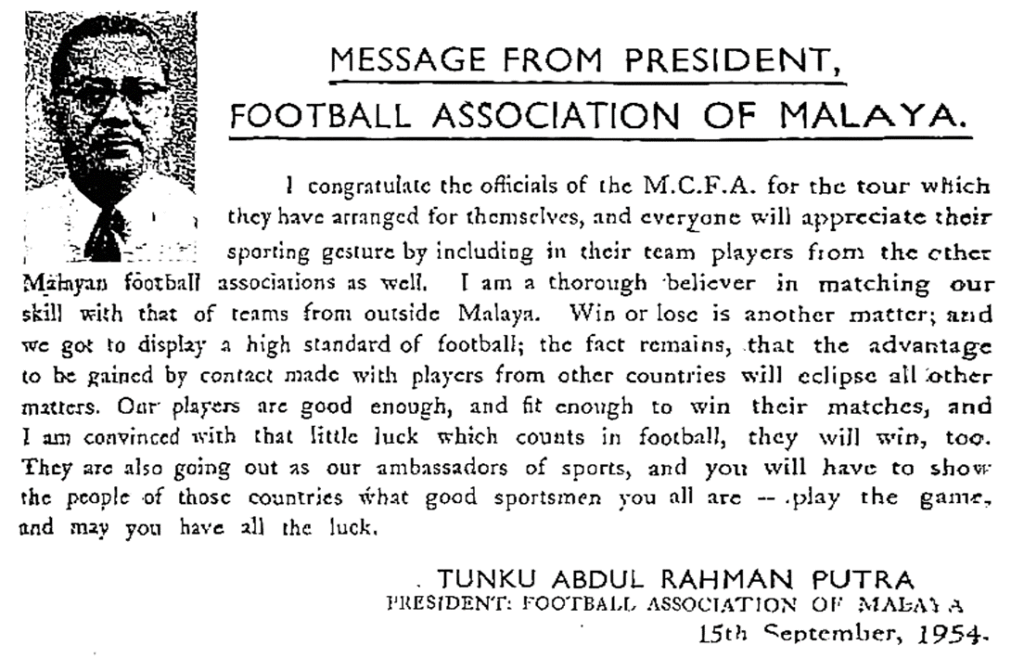
In his message for the 1954 Ho Ho Cup, the Tunku complimented the inclusion of footballers from across communities into the Malayan team, set to depart for the tournament held in Hong Kong that year. He encouraged Malayan footballers to see themselves as representatives of Malaya, capable of competing against their counterparts from other countries.
This brief history of the Ho Ho Cup is one of transregional contest; so is it a story of how people thought of themselves in the age of decolonisation and the Cold War, imagined Malaya as an emergent nation-state, and engaged with what was then a relatively recent idea of “Southeast Asia”. Precisely because of its potentials to connect bodies, communities, and territories, sport was as much a vessel of variegated convictions and visions for Malaysia—as it might be one generative window to appreciate the country’s boundless pasts and futures.
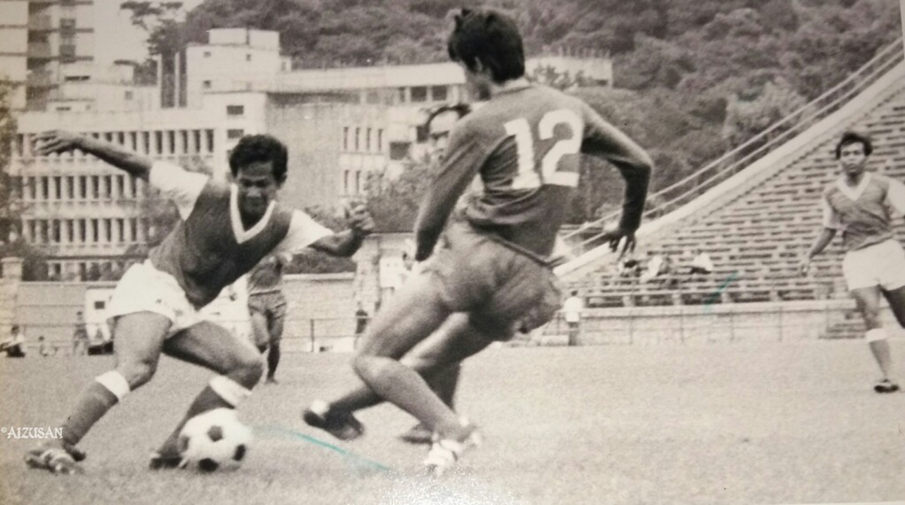
Source: Aizusan, curator of Kelab Jersi Kita, via https://kelabjersikita.blogspot.com/2016/06/malaysia-in-ho-ho-cup-1970.html.
Further Readings
Creak, Simon. “New Regional Order: Sport, Cold War Culture, and the Making of Southeast Asia”, in Robert Edelman and Christopher Young, eds. The Whole World is Watching: Sport in the Cold War. Stanford: Stanford University Press, 2019.
About the Author
Nathanael Lai is a PhD candidate in History from the University of Cambridge. His doctoral thesis uses the intersecting life-journeys of athletes and other “ordinary” historical actors to trace connected histories of the Cold War and decolonisation in East and Southeast Asia, 1940s-70s