
Loong Dien Min
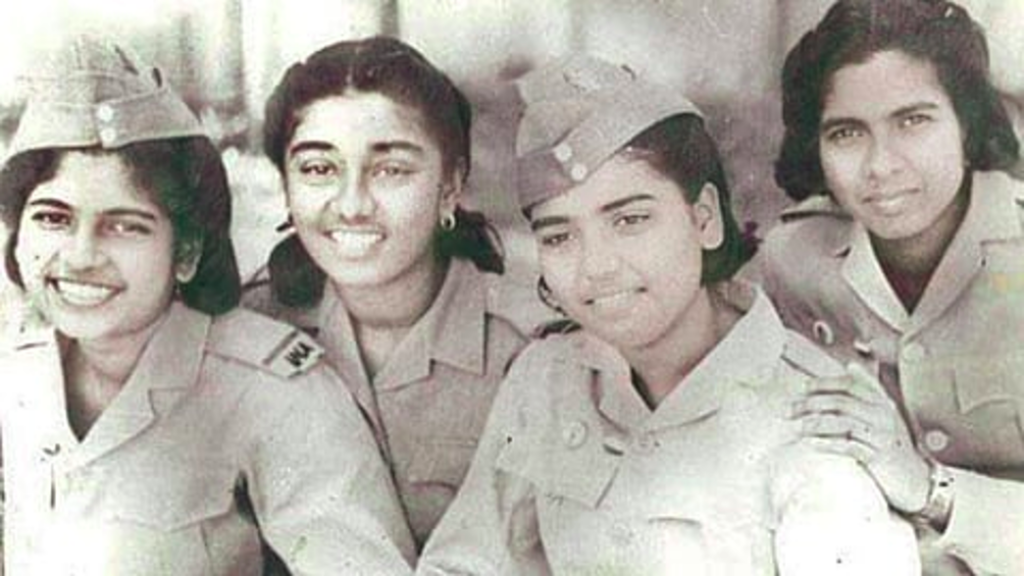
December 1941 not only marked the Japanese invasion of the Malay Peninsula, but also the birth of a transregional Indian nationalism involving the Tamil women of Malaya. Established in 1943 by an Indian nationalist leader, Netaji Subhash Chandra Bose, the Rani of Jhansi regiment was later known as the first all-female combat unit in Indian history. For Netaji, India’s coloniser that they must free themselves from was the British, and the Japanese were seen as a potential ally towards the cause. By then, the Rani of Jhansi Regiment, also known as RJR, was officially known as the revolutionary army that mobilised women for anti-British warfare.
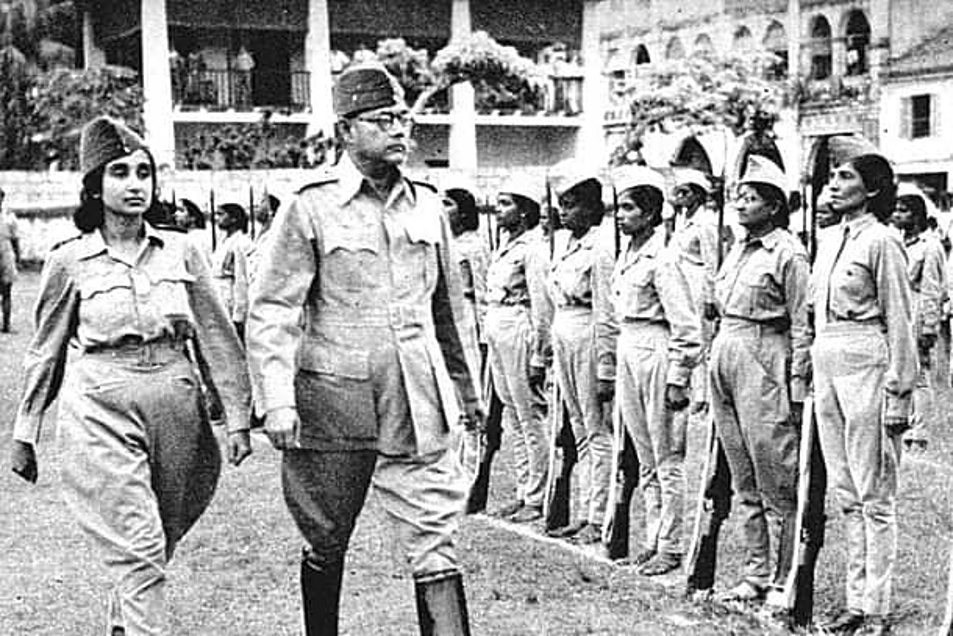
Jay Bhattacharjee, swarajyamag.com
Losing Singapore to the Japanese was a humiliation to the British, for a much smaller army of Japanese defeated the coalition of British, Australian and British Indian soldiers, which was at least twice its size. The Japanese not only fuelled Indian confidence in anti-British movements, but also funded the Indian Independence League (IIL), a civilian organisation that campaigned against the British. The RJR, along with the male-dominated Indian National Army (INA), were the military wings of the League.
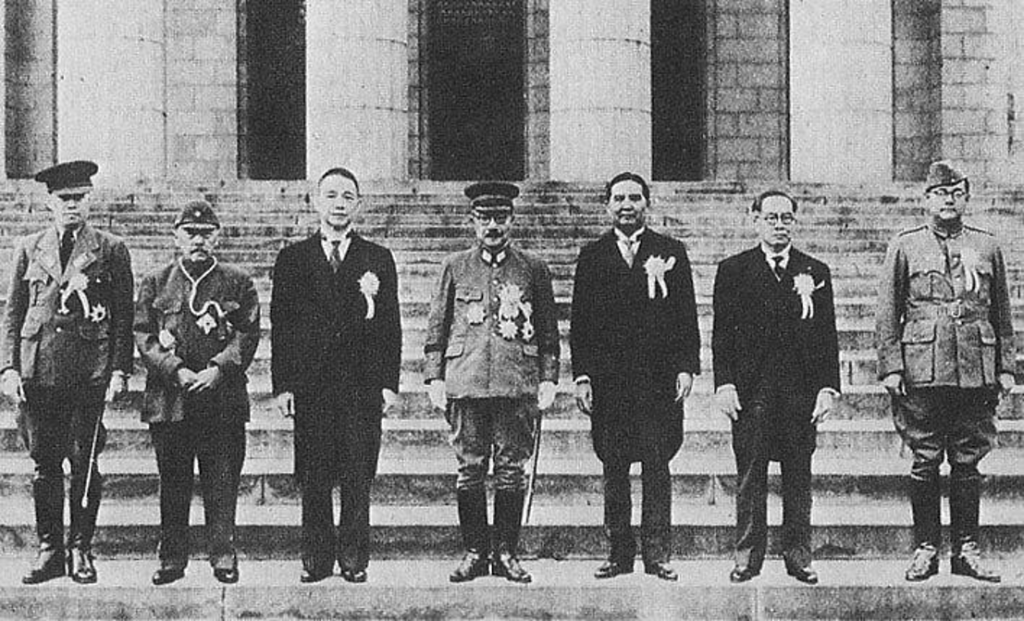
Mainichi Newspapers Company.
Prevailing historical accounts about diasporic membership in the IIL claim that the Indians in Malaya were compelled by a sense of nationalism. However, a new wave of historical scholarship suggests that participation in the IIL was also driven by the adverse, impoverished and uncertain living conditions wrought by Japanese occupation. Japanese rule was violent and brutal for people of all ethnicities, including the Indians. In the rubber estates, the hardship endured was amplified; Indian labourers were paid 30 to 40% less than pre-war wages. Joining the IIL, along with the RJR and INA, guaranteed better living conditions overall for them, including regular meals and higher pay, ultimately a higher living standard compared to the harsh reality of living under the Japanese colonial rule.
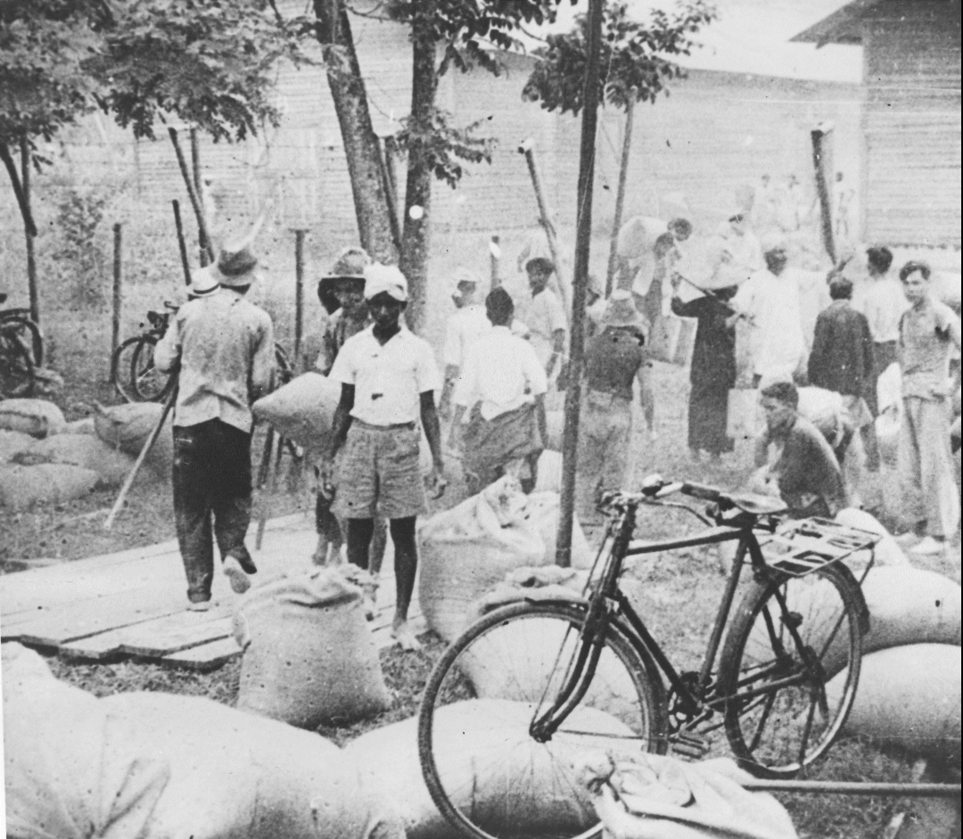
Arkib Negara Malaysia, uploaded online by Economic History of Malaysia
“Lots of Malay and Chinese girls came to me. They wanted to join the regiment. We couldn’t take them naturally because they were not [our nationals].”
Lakshmi Sahgal, Captain and then Lieutenant-Colonel of the RJR, Accession Number 001182, Reel 2, National Archives of Singapore
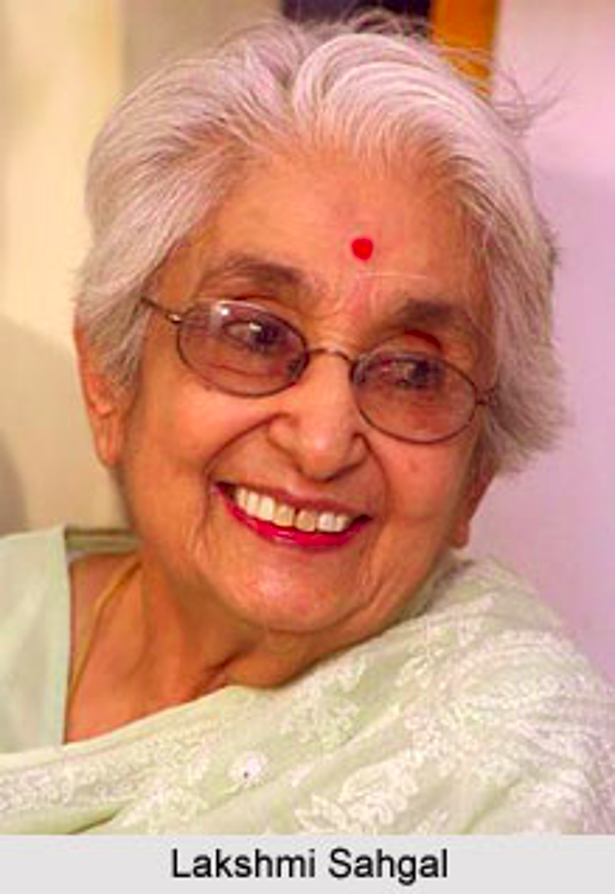
“Well, I started touring all the areas where the Indians were living. And we would have small meetings there…And these women who wanted to join, they would come and have a strict medical examination. And then I went up-country also. I went to Kuala Lumpur, I went to Penang, I went to Ipoh and recruited from all those places.”
Lakshmi Sahgal, Captain and then Lieutenant-Colonel of the RJR, Accession Number 001182, Reel 2, National Archives of Singapore
“Volunteers came, you know. Some volunteers came from Shanghai and Hongkong and some Indians in Thailand. But we had only one regiment in Singapore and another one in Burma.”
Lakshmi Sahgal, Captain and then Lieutenant-Colonel of the RJR, Accession Number 001182, Reel 2, National Archives of Singapore
Better employment opportunities provided by the RJR were found appealing by Malay and Chinese women, which encouraged them to join, especially during the recruitment drive led by Lakshmi Sahgal—a doctor who later became the unit’s commander—across the Malay Peninsula. Out of the 1000 recruits from Malaya, the majority were Tamil female workers from the rubber plantations. Although exact figures are hard to ascertain, scholars have claimed that up to 80 per cent of RJR members are second-generation Indians in Malaya, many of whom have never been to India. Among them were married women, while some were as young as 12 years old.
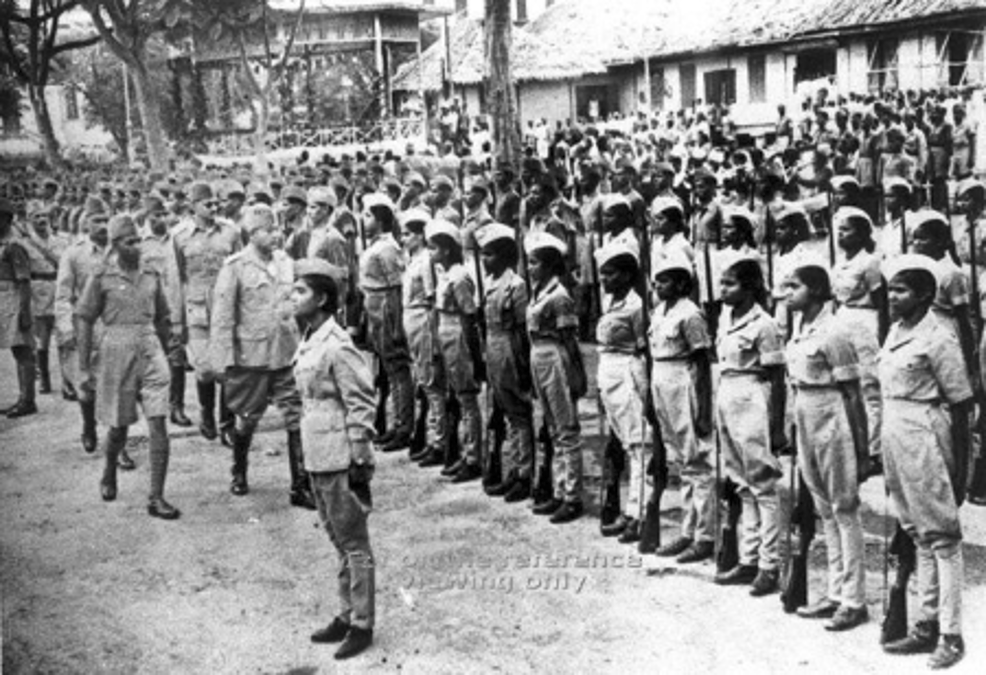
Similar to their male counterparts, the Ranis endured the same military regimen in the training camps, located in Singapore, Rangoon, and Bangkok. Through the regime, they went through the basic military training–handling firearms, melee weapons and were even trained in jungle warfare. They were being prepared to enter the Gangetic plains of Bengal via Imphal, which is India’s northeast frontier, believing that it was the place where an attack was least anticipated by the British. Despite all the training and hard work, the Ranis were never deployed due to the Indian army meeting a catastrophic ending in the Battle of Imphal, which led to the Ranis being branded and reduced to a “bogus” fighting unit. This ultimately undermined women’s contributions during the war, especially for those who experienced near-death encounters and those who nursed and treated injured male soldiers at the Burmese frontier.
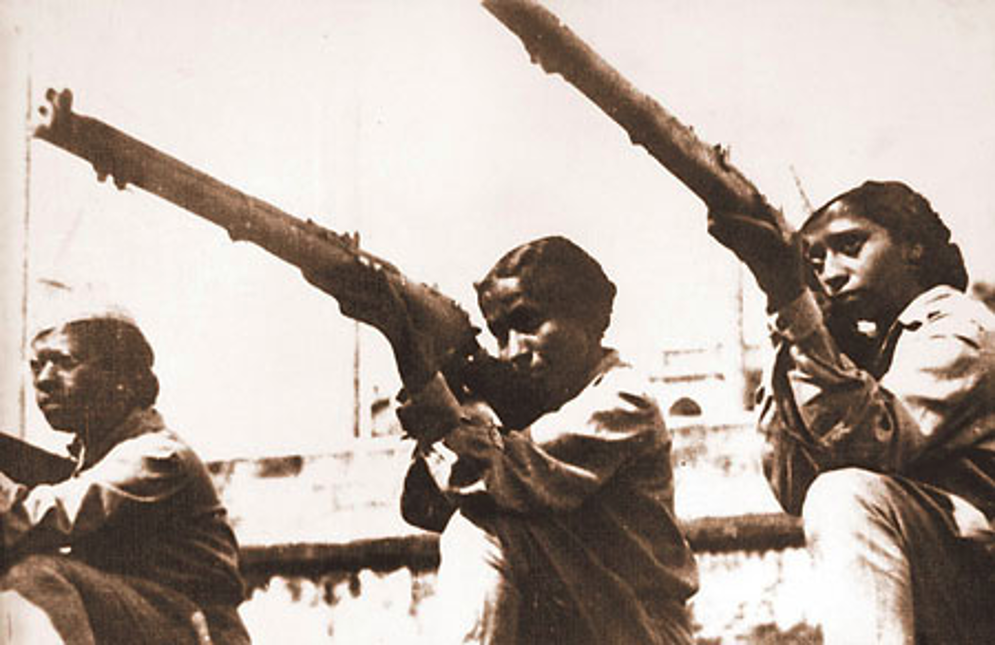
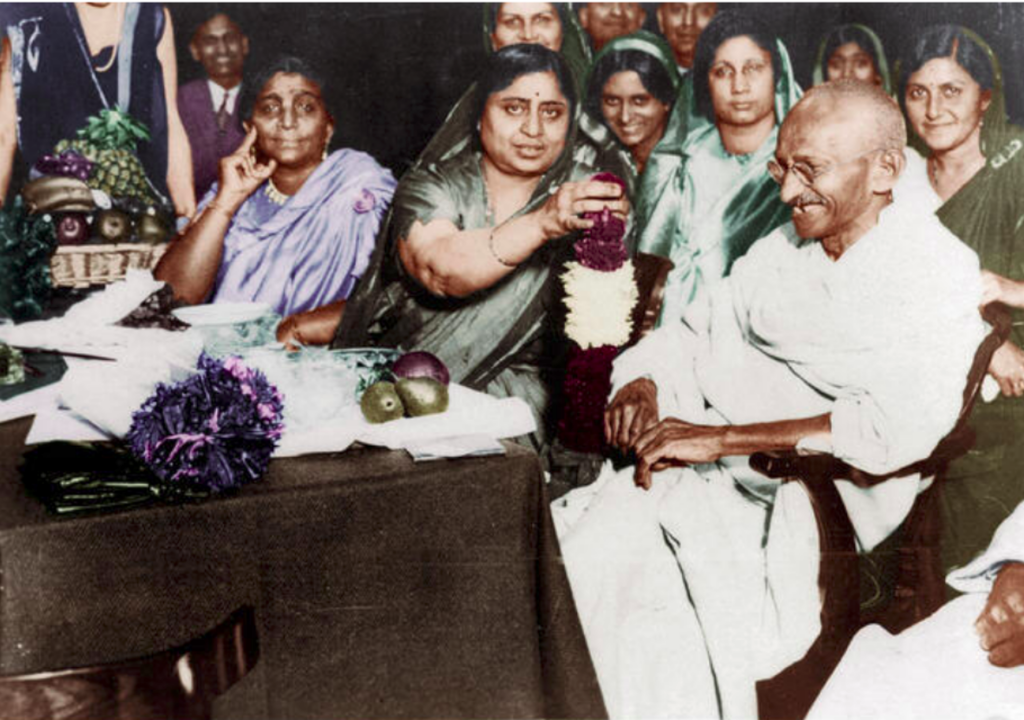
Netaji was known to be a controversial leader, and was undeniably so due to his alignment with Imperial Japan, especially during the formation of the RJR. Scholars have stated that his establishment of the RJR can be attributed to his upbringing in Bengal, a region known for its strong reformist traditions surrounding gender equality and female education. However, this background did not necessarily prevent him from using gender politics for anti-colonial aims, as seen in how women’s participation in the RJR was framed as both a symbol of emancipation and a tool for mobilising support against British rule.
Wikimedia Commons

Since the Revolt of 1857, Indian women had not participated in an armed movement on such a scale. The RJR is noteworthy for involving female Tamil diasporas across the Indian Ocean. Due to low literacy rates among the Ranis, history has painted them in drastically different lights: either as mere pawns of Netaji, rebels against plantation patriarchy, or hot-blooded females overwhelmed by nationalist passions. Yet, Commander Sahgal herself admitted that it was difficult to persuade estate women to join the RJR. To Indian working-class women, the RJR appealed to them most likely for reasons of survival amid the harsh conditions of war.
The RJR may have never reached the battlefield as planned, but the women who joined it were never simply background figures in someone else’s war. Their decision to leave the plantations and enter the regiment still reveals the courage and resilience of women whose stories are often left at the margins of history.
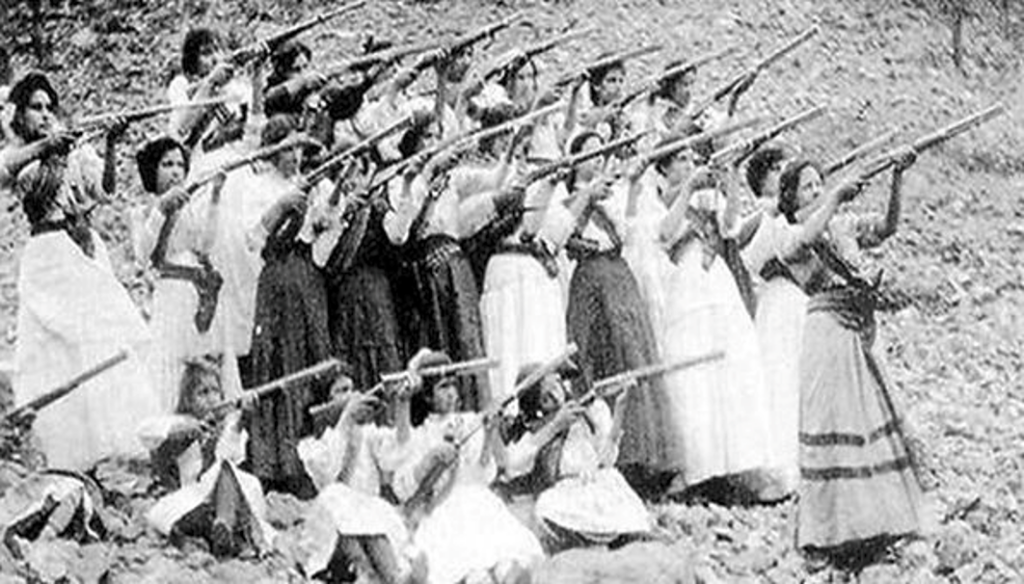
storypick.com
Further Readings
Books and Memoirs:
- Datta, Arunima. “Becoming ‘Ranis’: Coolie Women as Rani of Jhansi Regiment Recruits in World War II.” In Fleeting Agencies: A Social History of Indian Coolie Women in British Malaya, 125-150. Cambridge: Cambridge University Press, 2021.
- Lakshmi Sahgal, A Revolutionary Life: Memoirs of a political activist. New Delhi: Kali for Women, 1997.
- Amritlal Seth, Jai Hind: The Diary of a Rebel Daughter of India with the Rani of Jhansi Regiment. Bombay: Janmabhoomi Prakashan Mandir, 1945.
Documentary:
- “Rani of Jhansi Regiment: Fighting for India” Episode, History Channel, Asia, February 16, 2012.