
Loong Dien Min
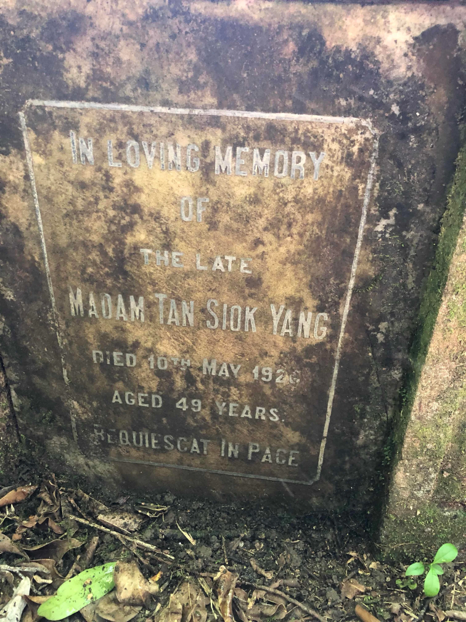
Source: Singapore Tombstones Epigraphic Materials
In English courts, laws were invented and reinvented as judges reasoned and made their decisions. These legal reasonings were occasionally backed by selecting a range of examples across borders. How judges chose examples impacted subsequent judgments in the courts of countries once colonised by the British.
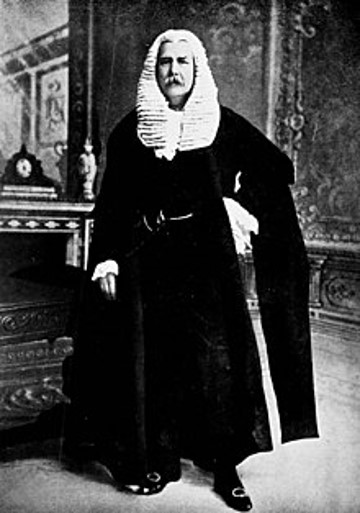
Source: Twentieth Century Impressions of British Malaya (1908), photo uploaded to Wikipedia.
The Six Widows case, decided in 1908, is one of the best illustrations. This is a famous case still studied by law students in Commonwealth countries, but especially so in Malaysia and Singapore. At the heart of the case was a question of inheritance. Choo Eng Choon, a British-born Chinese man of Singapore, died without leaving behind a will. Before his death however, he married seven women, who gave birth to his children.
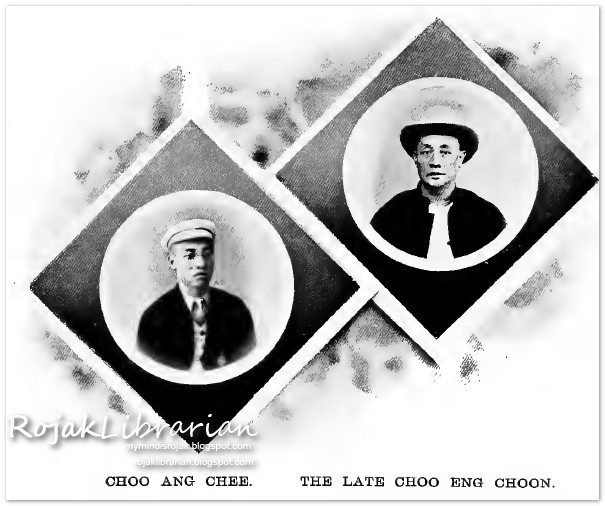
Source: Rojak Librarian
For the English judges, the main dilemma was whether they should recognise Chinese polygamy, along with children borne out of these polygamous marriages. This issue became even more complex because the case involved not Chinese nationals, but Chinese who were born and were living in Singapore at the time. Central to the issue was whether all six women should be recognised as wives of equal standing or otherwise. This would then determine each of their rights to inherit Choo’s property, along with their children’s.
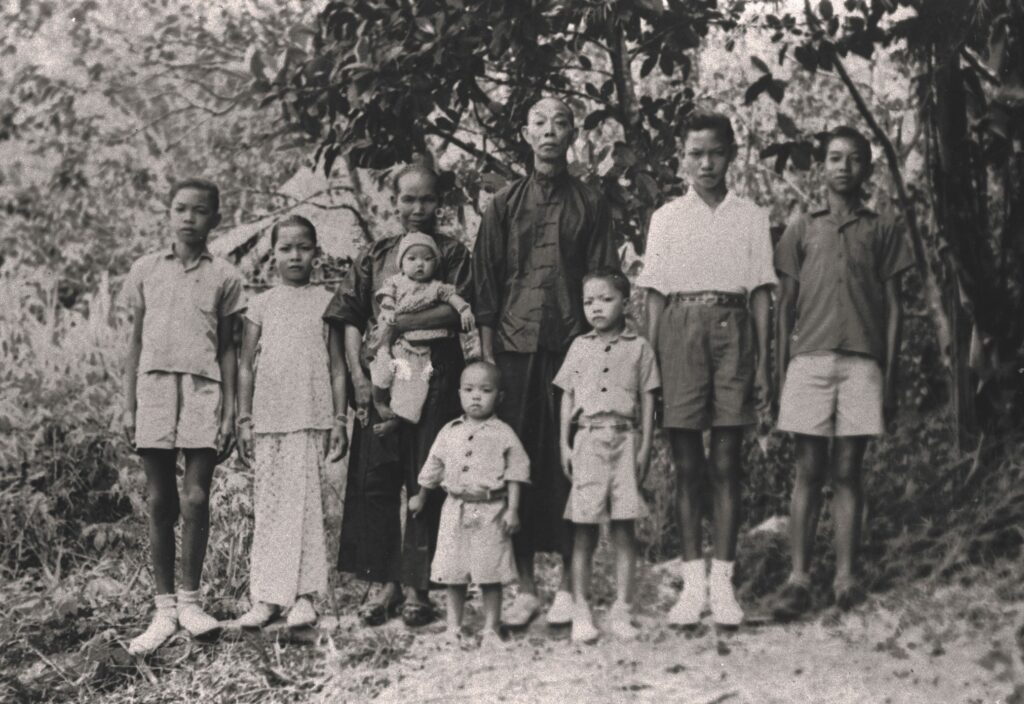
Source: National Archives of Singapore
Many factors played into the final decision of the case, which ultimately recognised all children borne out of Choo’s marriages. The most interesting part of the judgement was the way in which judges and their counsels drew from examples within and beyond the British empire to understand and legitimise Chinese polygamy.
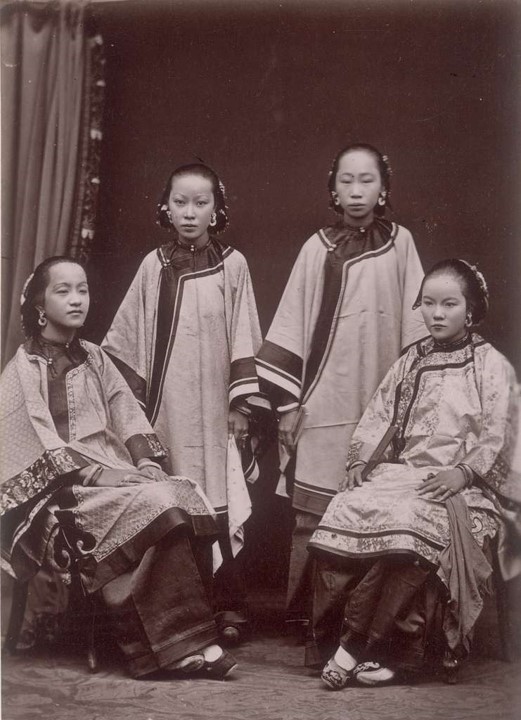
Source: KITLV, Universiteitsbibliotheek Leiden
As an example, one of the Counsel for the widows, Mr Montague Harris, tried to persuade one of the the judges that the court in Singapore should recognise polygamous marriages because the British courts in India had already recognised Jews as polygamous.
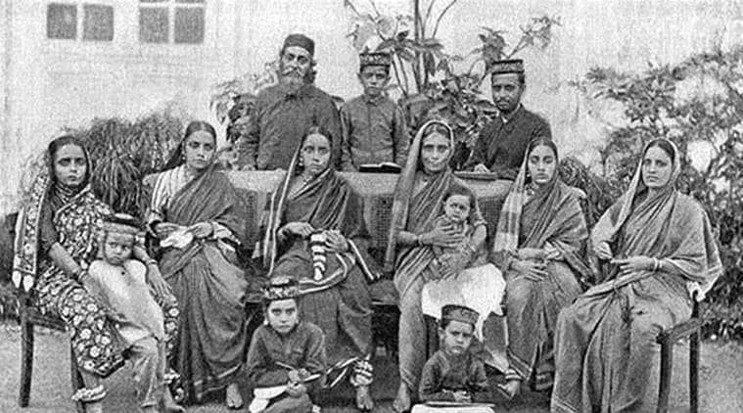
Source: Wikimedia Commons
But Law Ag. C. J. refused to be persuaded, arguing instead:
But surely Jews in England are not polygamous?] No; they are not by custom but there is nothing to prevent it in their laws. In Saigon and in Singapore Chinese are polygamous, how can it be said then that the Chinese are not polygamous race. The customs of native races are never interfered with by the British Government. If there were any case when the Courts had not recognized the validity of second marriages amongst Chinese it is curious Mr. Registrar Velge is unaware of it, and also Mr. Van Someren, two gentlemen who have more experience of these Courts in point of time than any others in the Colony.

Source: The History of London
Another counsel, Hon E.C. Ellis used the Mohammedan Marriage Ordinance of 1880 to argue that Chinese polygamy is not only different, but not as legitimate compared to that of Muslims.
Mahomedan marriages are of course polygamous……Prior to Ordinance V of 1880, Courts had no power to introduce such Mohamedan customs as it suited them to do in derogation of the Statute of Distributions. There has been no such legislation in the case of the Chinese. Why? Because either polygamy does not exist in China or legislature deemed it was a custom to which its sanction should not be given. Mohamedan polygamy had long been known to exist, and the Court decisions as to Chinese go back as far as its decisions as to Mohamedans. Yet the Legislature has not intervened as regards Chinese though Judicial decisions regarding them are in pari materia with those affecting Mohamedans.

Source: Brooklyn Museum, uploaded on Wikipedia.
Nevermind how problematic we view such reasonings, the judges were continuously presented with transregional examples to aid their judgements. This included oral sources by the Chinese consul-general, Chinese merchants, previous cases in England, legal textbooks from China and even from French Cochinchina!
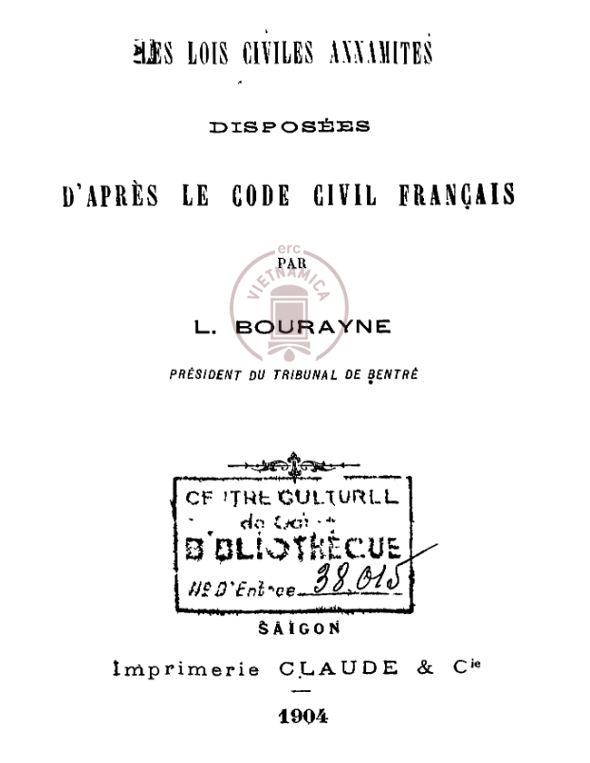
Source: Gallica.bnf.fr
Furthermore, Acting Chief Judge Law cited cases involving Jews, Muslims, Hindus and Buddhists across the empire. He argued that English courts elsewhere had already made exceptions to non-Christian marriage and divorce. Specifically, he drew parallels between the recognition of Jewish marital practices in England and Muslim marriages in the Straits.
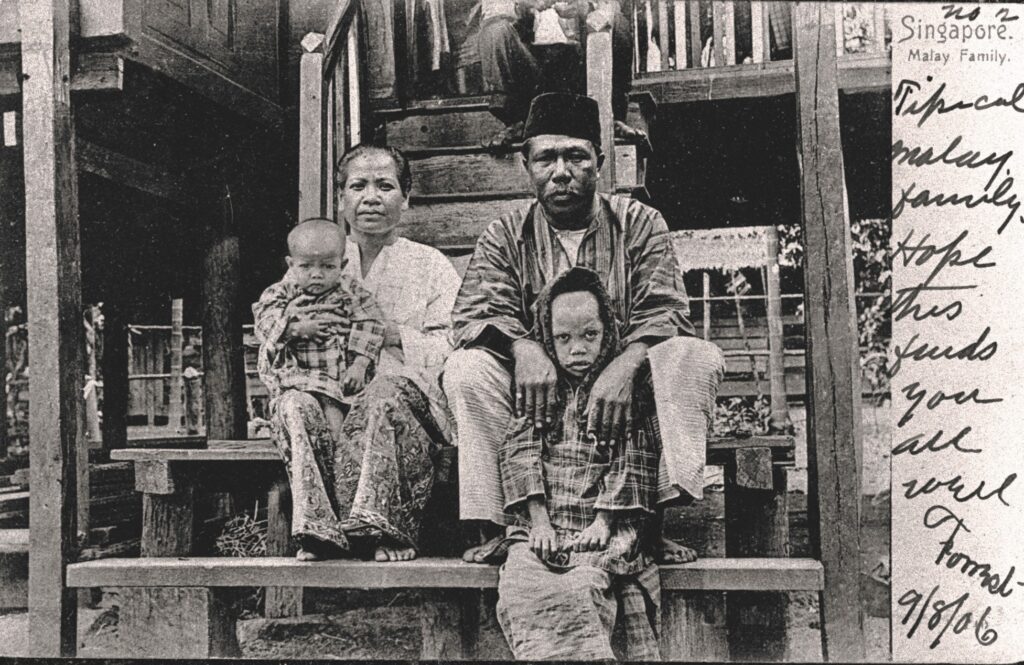
Source: National Archives of Singapore
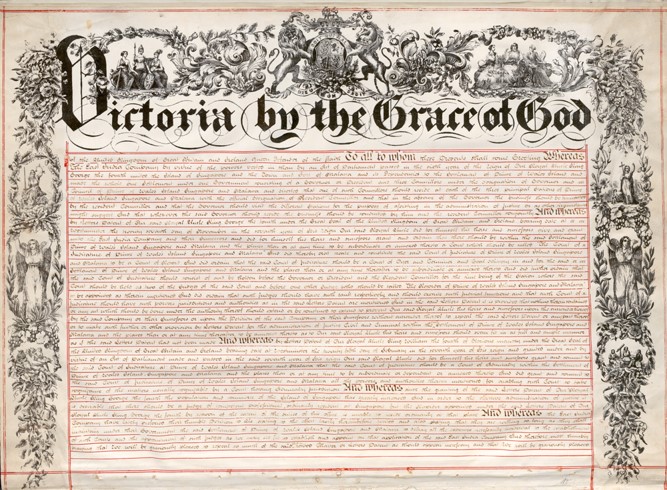
This exception began with the Charter of 1855, which English law applicable to the entire population in the Straits Settlements and Hong Kong, except on issues related to the religion, manners and customs of these populations. This requirement also shows how English law in colonies was more than a simple, straightforward application. There were compromises, negotiations, disputes and continuously developed over the years. Eventually, these exceptions became limited to matters of family law, including marriage, divorce, and inheritance.
Source: National Library of Singapore
Regardless of how applicable or accurate these examples were to understand Chinese marriages, the reasonings, errors and misinterpretations continue to shape the way common law judges think about inheritance. Even after polygamy is abolished and no longer formally practised among Chinese globally, the transregional citation of cases during colonial times are well and alive in the legal world we live in today.
Source: MothershipSG
Further Readings
- M. Barry Hooker. “English Law and the Invention of Chinese Personal Law”, in Law and the Chinese in Southeast Asia. Singapore: ISEAS, 2002.
- M. Barry Hooker. A Concise Legal History of Southeast Asia. Oxford: The Clarendon Press, 1978.
- Ross, Richard J., and Lauren Benton, Legal Pluralism and Empires, 1500-1850. New York: NYU Press Scholarship, 2013.