
Research by Loong Dien Min │ Design by Dennis Ong
Source: bnjvintageguitars on Ebay
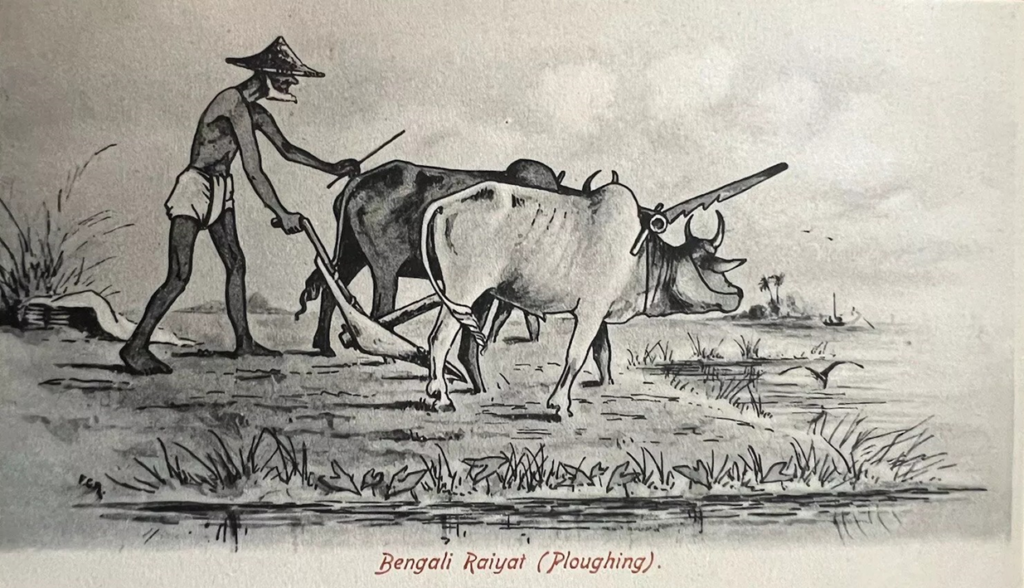
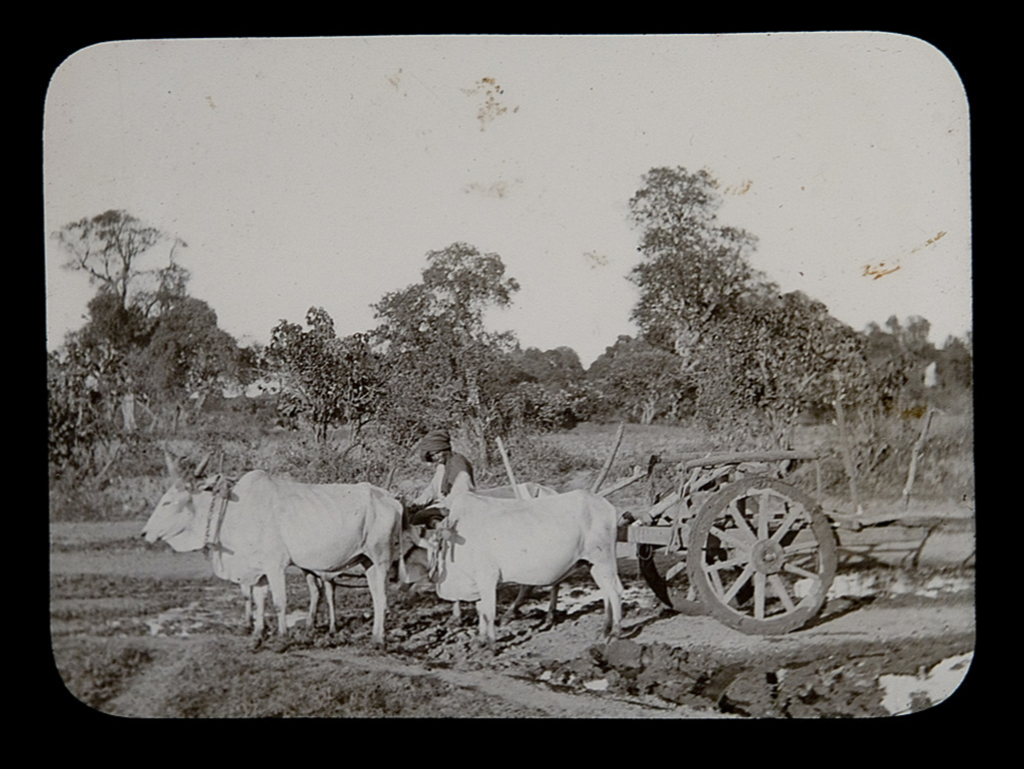
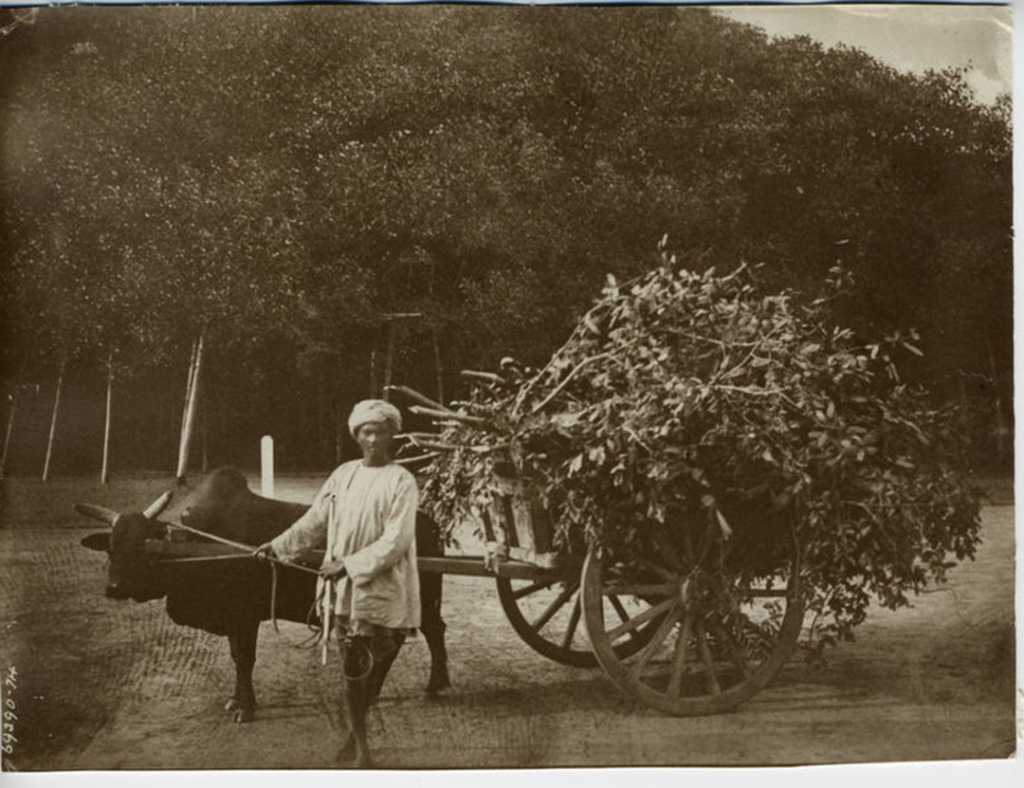
Puman Singh was a cart driver who worked in Kuala Lumpur in 1910. After he was convicted of a crime, he submitted a petition with the following excerpt:
Since the arrival of European(s) in this country it may be seen that no Bengali has ever been charged of this offence against another Bengali. It can be, that a Bengali be charged of this offence against a Chinese.
Source: James Morley on Flickr
Source: Wikimedia Commons
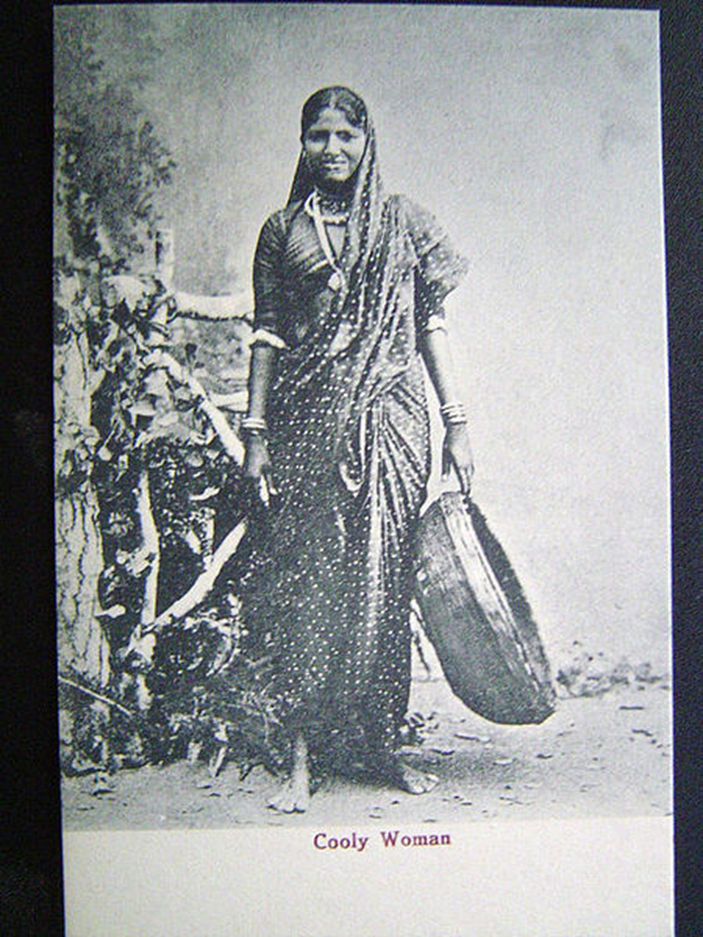
The world of law was not only inhabited by rulers, but also by ordinary people. Petitions are rare windows into the experiences of people often forgotten and omitted from the historical record. From the rickshaw puller to the female coolie, from the migrant miner to the indigenous farmer, everyone was able to tender a petition—as long as you used the language of power.
Source: Wikimedia Commons
As a result, people who submitted a petition to official authorities made themselves heard through using categories, words and narratives created by people in power. In power-laden situations, this kind of performative conformity helped people survive inequitable treatments, especially newly arrived migrants in a hostile land.
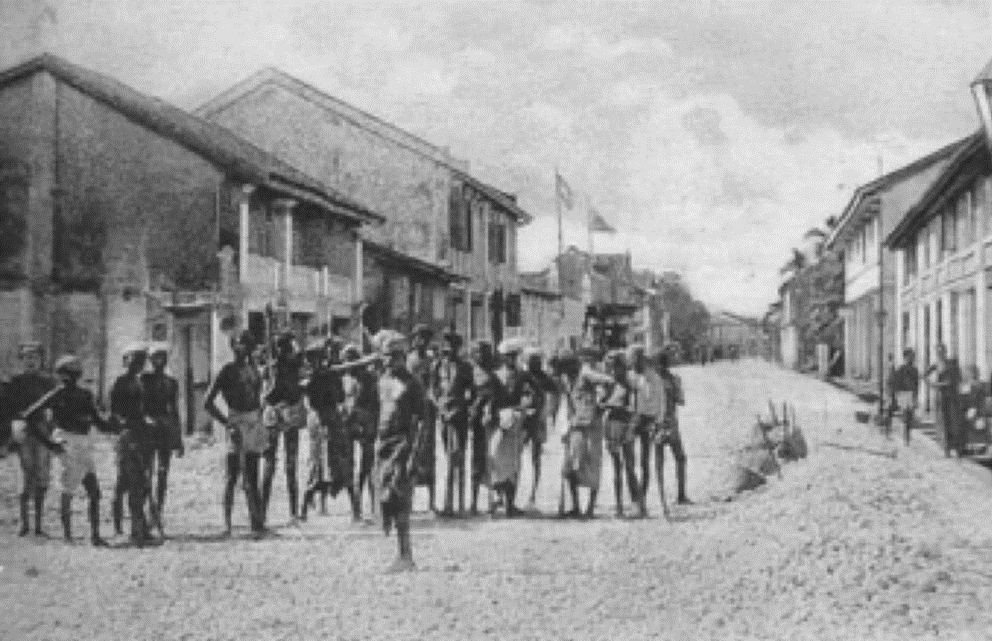
Caption and Source: Dr Richard Leete, “Malaya’s early 20th century population change”, Economic History Malaysia
Since Puman Singh was illiterate, his ‘petition’ was taken down orally, transcribed and translated from Gurmukhi to English. This translator was called Duin Chan, whose ethnic origin could not be clearly ascertained.
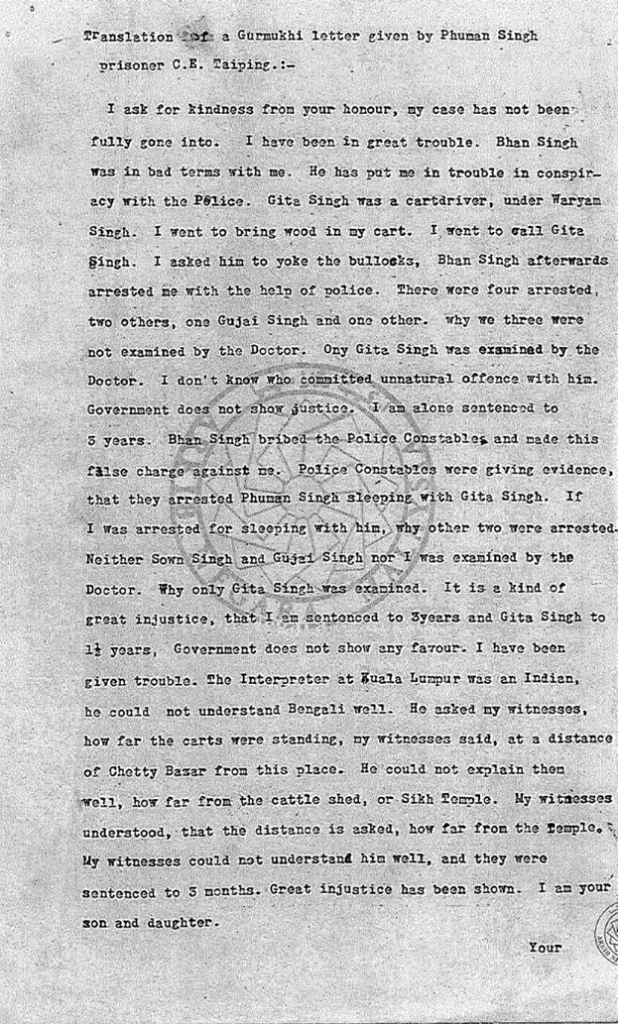
Source: Selangor Secretariat 1196/1910, Arkib Negara Malaysia
But Puman Singh was not a ‘Bengali’. This self-characterisation as a ‘Bengali’ was instead an adoption of racial categorisations unique to the Malayan context, where colonial authorities and the public labelled Sikhs and North Indians like himself as ‘Bengalis’ only because they sailed from Calcutta.
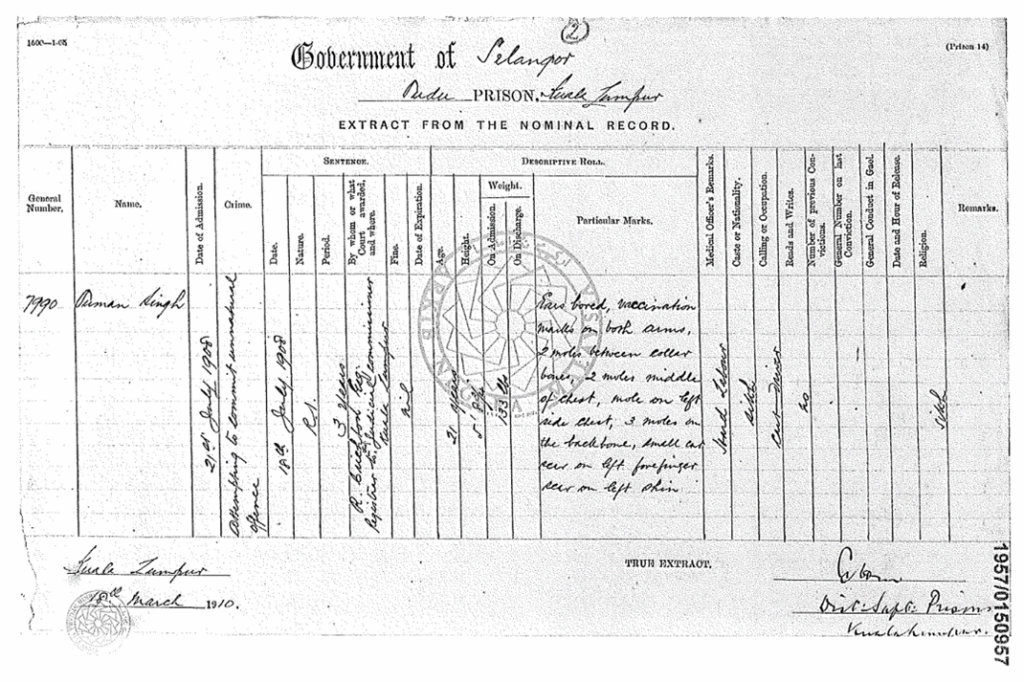
Source: Selangor Secretariat 1196/1910, Arkib Negara Malaysia.
Up till the threshold of World War II, Calcutta was a principal point of embarkation and disembarkation for Northern Indians travelling by sea between Malaya and India. It is unclear whether it was Puman Singh or Duin Chan who employed the label of ‘Bengali’ during the process of crafting the petition. However, this usage—be it voluntary or involuntary—demonstrated that they attempted to use a racialized term familiar to colonial authorities, even if they were aware of its inaccuracy.
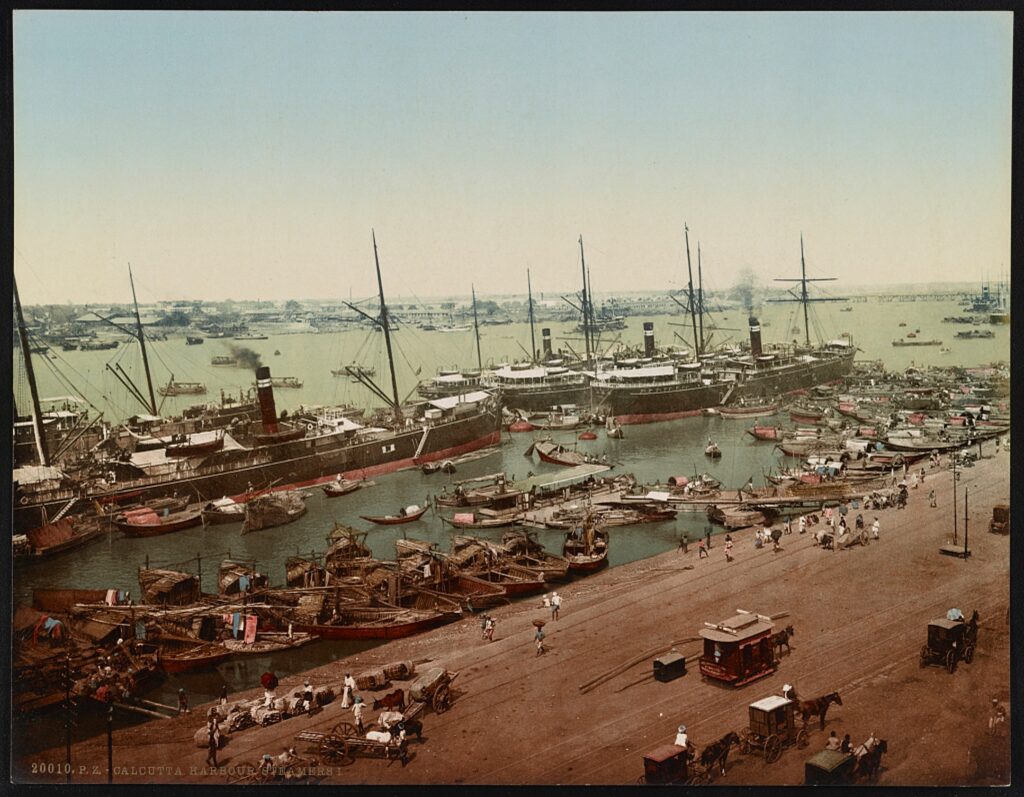
Source: Library of Congress
At the turn of the twentieth century, laws were an instrument to extend, maintain and reproduce colonial control across European empires. But ordinary migrants like Puman Singh could still secretly disagree or resist, and they did so by artificially buying into colonial terminology of race. While they were not always successful in pursuing their interests, these petitions allowed them to exert their situational agency while offering us a glimpse into the subtle resistances against colonial injustice.
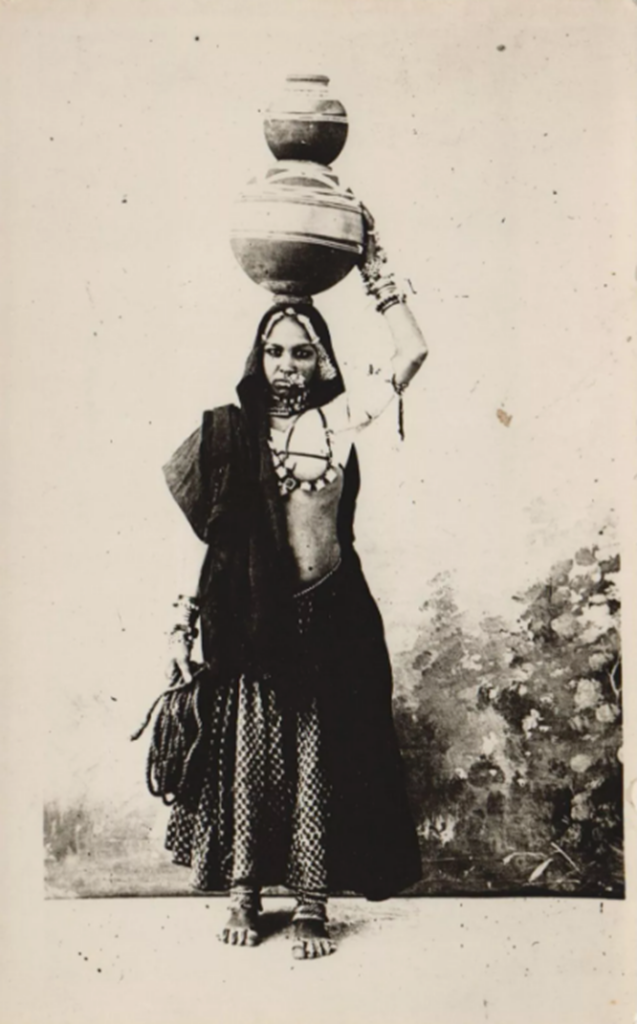
The postcard is captioned: PC Malaysia, Native woman. Date unknown.
Source: postcardsale on Ebay
Further Readings
- James C. Scott. ‘Behind the Official Story’, in Domination and the Arts of Resistance: Hidden Transcripts. New Haven: Yale University Press, 1990: 1-16.
- Thomas R. Metcalf. ‘Recruiting Sikhs for Colonial Police and Military’, in Imperial Connections: India in the Indian Ocean Arena, 1860-1920. Berkeley: University of California Press, 2007:102-135.
- Anjali Gera Roy. ‘Soldiers, Artisans, Cultivators and Revolutionaries: The Movement of Sikhs in the Indian Ocean,’ Journal of Multidisciplinary International Studies 9, no. 1 (2012).