
Allan Pang

Memories of the Japanese occupation during World War II have never been fully unified in Malaysia. Different communities remember the war through different experiences, and for Malaysian Chinese communities, this history has remained especially important. Chinese war memorials can be found across West and East Malaysia, while Chinese associations have continued to organise campaigns, rituals, and publications to commemorate the suffering of Chinese communities during the war. However, these perspectives were not always included in the official wartime narrative, as the Malay-dominant Malaysian government had long refused to fully recognise Chinese experiences of the occupation.
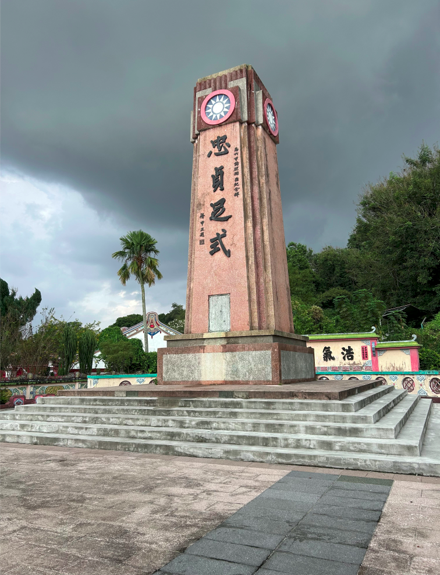
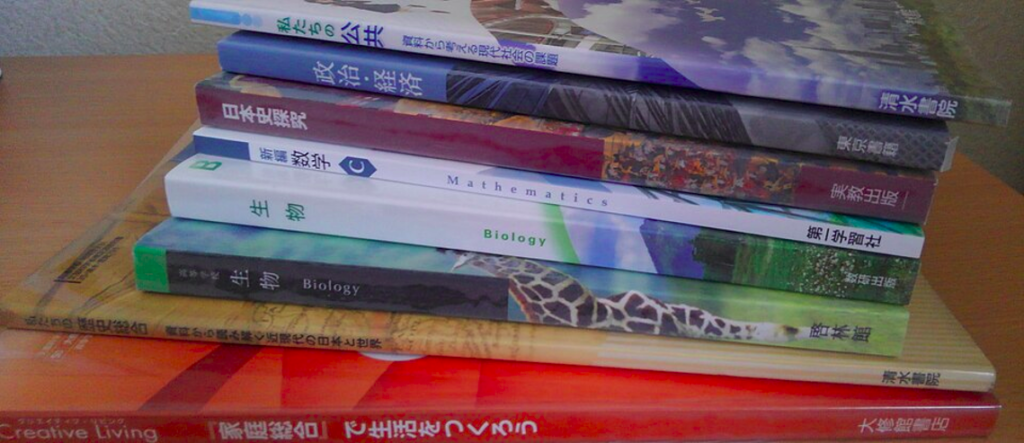
In the 1980s, news from Japan stirred anger across East and Southeast Asia. Newspapers reported that the Japanese government had toned down its textbook narratives on Japanese atrocities during World War II. This was not just a small issue happening in one country, as criticism against Japan quickly spread across the region. But for Malaysian Chinese communities, remembering the war was not only about following this wider wave of anti-Japanese sentiments, or even the anger coming from China. Their remembrance came from something much closer: the memory of what happened to Chinese communities in Malaya during the war.
Wikipedia
The textbook controversy was not the only reason anti-Japanese sentiments remained strong among Malaysian Chinese communities. In the 1980s, more Sook Ching graves were discovered in Malaysia, bringing back the memory of Chinese civilians who were massacred during the war. Malaysian Chinese associations then brought forward another compensation claim to the Japanese ambassador. But here is where things became complicated. At the same time, the Malaysian government was looking towards Japan as a model of economic progress. Because of this, the government did not respond warmly to Chinese wartime sentiments. In the end, Chinese perspectives of the war continued to be pushed aside from the official national narrative.
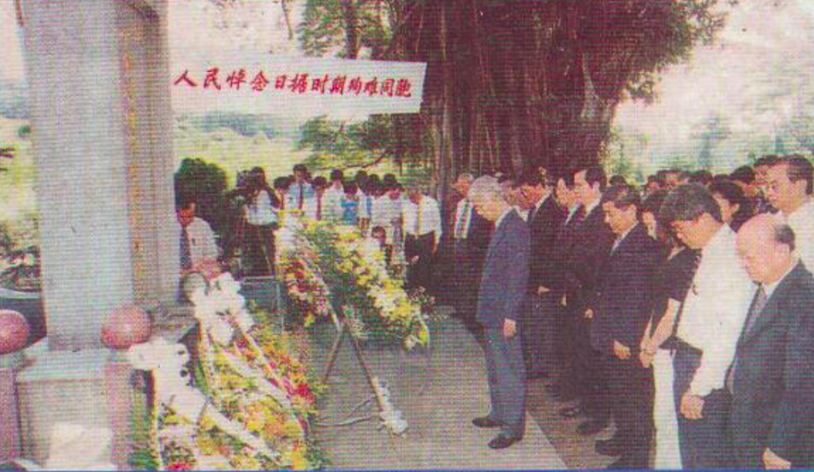
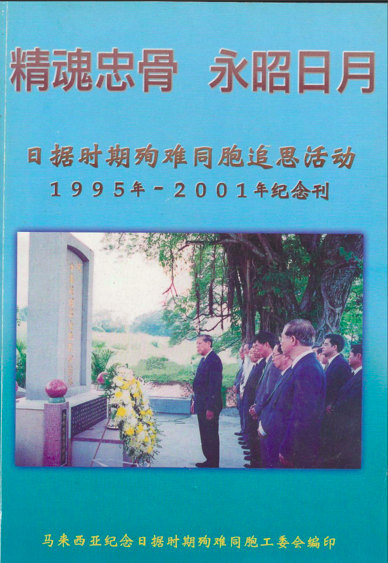
Commemorative magazine of activities remembering comrades sacrificed during the Japanese occupation, 1995-2001 日据时期殉难同胞追思活动1995年-2001年纪念刊
War remembrance campaigns challenged official narratives more vigorously in the 1990s. For commemorating the fiftieth anniversary of the end of the war, Malaysian Chinese associations organised further campaigns and events to convey Chinese war experiences as part of the nation-building process. Competitions were held for secondary school students from 1995 onwards, aiming to enhance their understanding of the history of the Japanese occupation.
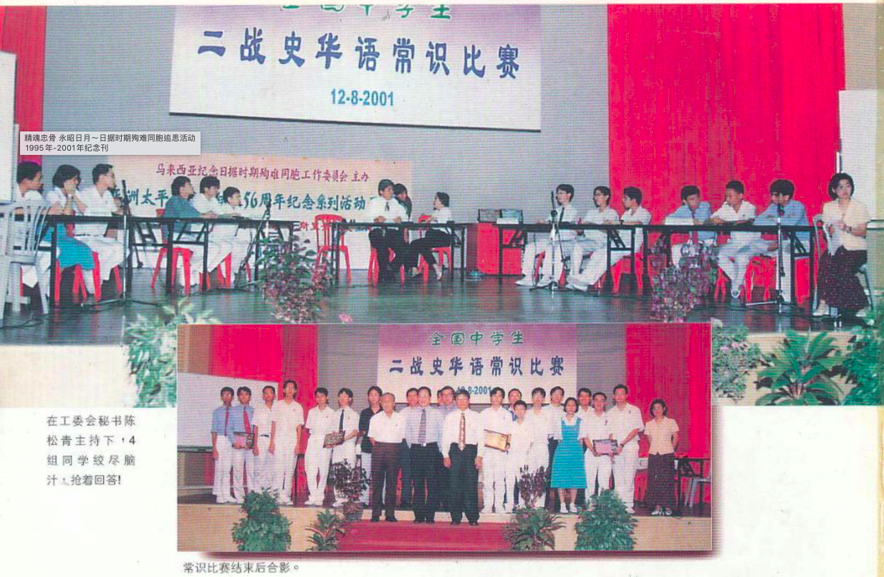
Commemorative magazine of activities remembering comrades sacrificed during the Japanese occupation, 1995-2001 日据时期殉难同胞追思活动1995年-2001年纪念刊
Malaysian Chinese associations also used the competition as part of the protest against the official history curriculum. In a commemorative magazine published in 2001, one could find the following criticism in a section regarding 1999’s competition.
‘Participants [of the competition] were mainly from the eight independent Chinese secondary schools in Selangor. This was due to the limited coverage [of the war] in the national schools’ textbooks, making students unable to cope with the questions… Including the history of the Japanese southern invasion of Southeast Asia in history textbooks is the most urgent task now. We organise this WWII history knowledge competition to encourage Malaysian nationals to clearly understand the reality of Japanese imperialism and never forget their crimes…’
Commemorative magazine of activities remembering comrades sacrificed during the Japanese occupation, 1995-2001 日据时期殉难同胞追思活动1995年-2001年纪念刊
Despite the transregional trend of anti-Japanese sentiments during the 1980s-90s, it does not fully capture the politics of war commemoration in Malaysia. To leaders of Malaysian Chinese communities, war remembrance has been a significant part of their challenge to the Malaysian government’s policies towards Chinese communities, especially education. Through these war remembrance campaigns, they strove to include Chinese experiences as part of Malaysia’s official history. Their efforts continue in the twenty-first century.
Further Reading
- Helen Ting Mu Hung, ‘Reclaiming National Belonging: The Politics of World War Two Commemoration in West Malaysia’, Journal of Malaysian Chinese Studies 26 (2021), 29-57.
- Kevin Blackburn and Karl Hack, War Memory and the Making of Modern Malaysia and Singapore (NUS Press, 2012), chapter 9.