
Loong Dien Min
Step into the bustling morning markets of Hong Kong between the 1930s and 1960s, and one figure would catch your eye: a woman in a crisp black-and-white samfu, her long hair braided neatly or swept into a tight bun. These women were known as Mājiě (妈姐), or Cantonese amahs, and similarly, in other parts of Malaya and Singapore during the same era, their presence enlivened the streets of Kuala Lumpur, Penang, Ipoh and Singapore. Their existence was not always written into historical textbooks; however, they played an important part in the social fabric of Hong Kong, Malaya and Singapore, serving generations of Chinese and non-Chinese bourgeois households with dedication, discipline and grace.
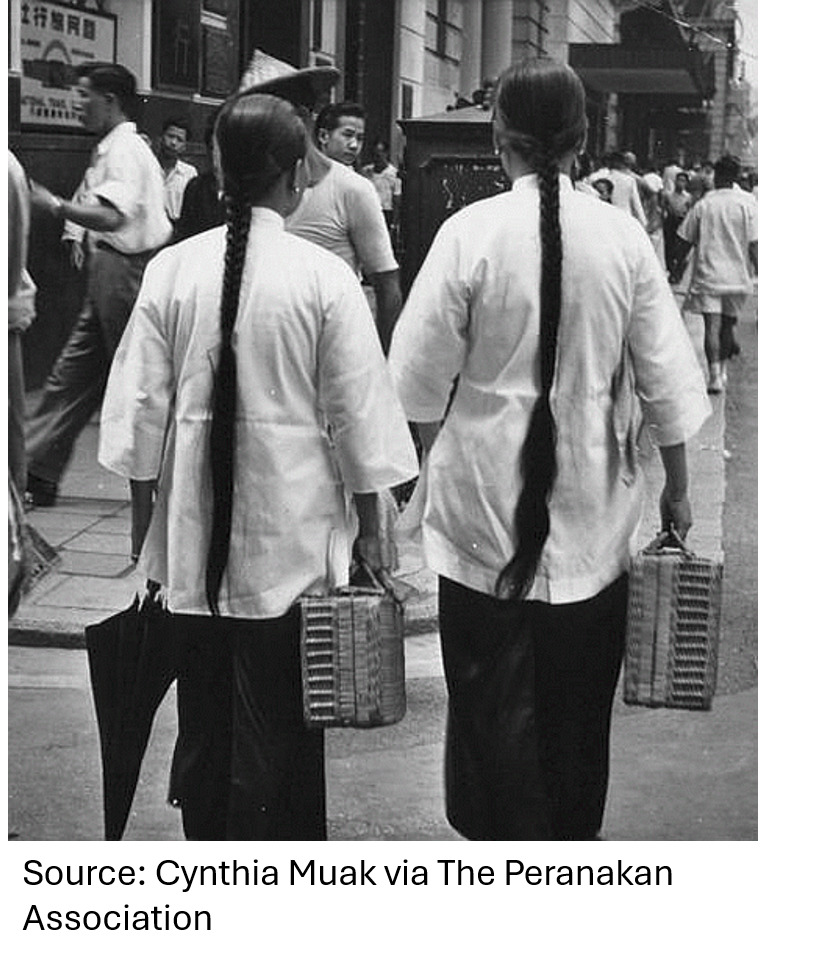
Hailing from areas around the Canton Delta in Guangdong province, especially Shunde, Panyu, Dongguan and Nanhai, these areas were also where the silk industry flourished from the 1880s up until the 1920s. The Majies were crucial workers in the silk industry, which led to a sense of financial independence among them and ultimately shaped their hostile views against marriage. Young women equated marriage to imprisonment, ill-treatment, and the relinquishment of personal and financial autonomy; although anti-marriage views were not a universal norm, this particular belief led many of them to never marry or have children, remaining celibate for the remainder of their lives.
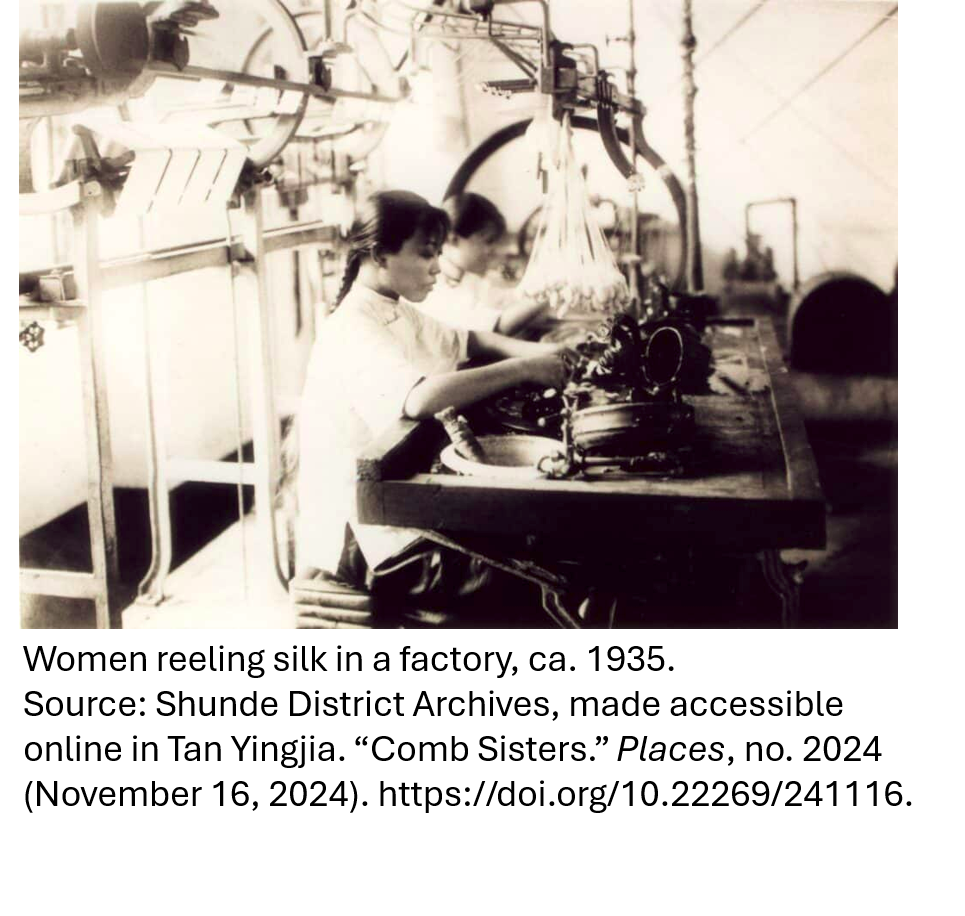
This decision was neither personal nor simply cultural. It was not coincidental that the Canton Delta was also a fertile ground for unconventional marriage practices, such as ghost marriages, where women were wed to deceased men; delayed transfer marriages (不落家), where brides refused to live with their husbands; and the traditional practice of self-combing (自梳), a vow of lifelong celibacy. While such practices might be seen as taboo or defiant acts against patriarchal norms elsewhere, historians argue that these practices were more of a cultural negotiation—an adaptive middle ground between rigid Confucian ideals and southern Chinese traditions of marriage. Crucially, it was the economic prosperity of the Canton Delta that made these options not only possible, but socially viable.

Chee Seng Tee, “Living without man: About the life and contribution of Celibate Women of Shunde”, YouTube, 2017.
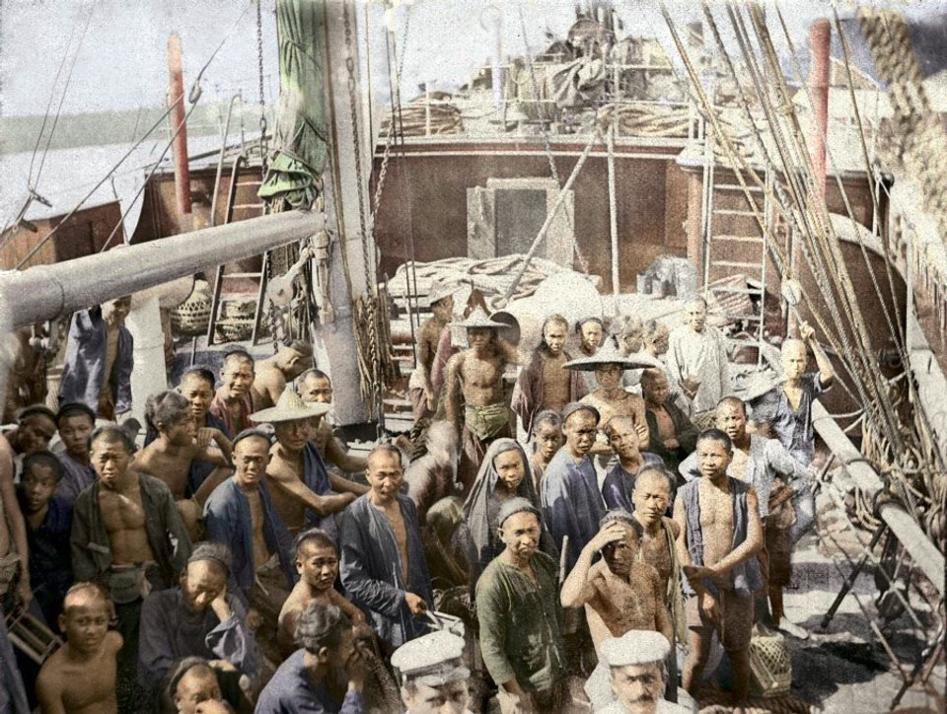
From the 1930s onwards, changes in both China and Malaya began to reshape migration patterns. Political instability from the Kuomintang-CCP conflict and the Second Sino-Japanese War, coupled with famine and economic turmoil, made life in China increasingly difficult. The Great Depression forced many Canton Delta silk factories to shut down. In Malaya, economic strain led to the Aliens Ordinance of 1933, which imposed quotas on male immigrants, driving up ticket prices and reducing the influx of male domestic workers, particularly for Hainanese men. Women, however, faced no such restrictions. Together, these forces encouraged more Cantonese women to leave the Canton Delta in search of work abroad.
ThinkChina, Singapore.
Many women migrated to Hong Kong and Singapore, while smaller numbers moved to the Malay Peninsula and Vietnam. Between 1933 and 1938, Malaya alone received over 190,000 female migrants aged between 18 and 40, despite many of them being unsure of the kind of work awaiting them. Hiring was usually done informally, either through direct contact or clan associations, rather than through proper agencies. Most women followed the paths of their relatives or villagers into low-paying and labour-intensive jobs, such as mining, rubber tapping, hawking, construction, domestic service, or sex work. Among these jobs, Majie roles were considered the better-paid options available for Chinese women during the time.
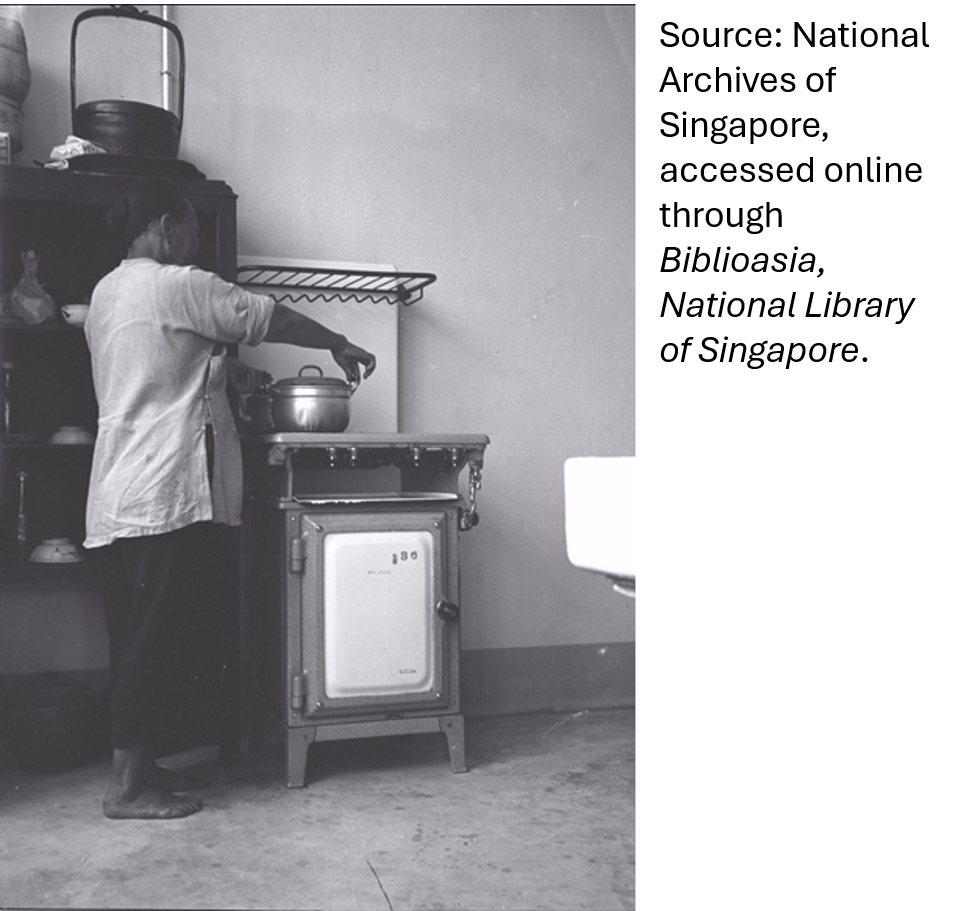
The Cantonese amahs pooled resources into buying or renting communal homes since the housing costs around the Straits Settlements were at an all-time high. It was more than just houses; these were places where sisterhood bonds were forged among the Majies. By 1984, Penang had 20 of the communal homes near the Cantonese Districts Association. Through these spaces, support, social ties and a final resting place for ancestral tablets were made viable for the Majies. These homes offered an important role for the Majies, especially since they were traditionally barred from dying in their birth homes. Some scholars have debated how these communal homes were not just retirement houses but instead played a huge part in fighting for women’s rights against marriage and having a choice in being single, and through these homes, sisterhood has flourished from collective autonomy and mutual support.

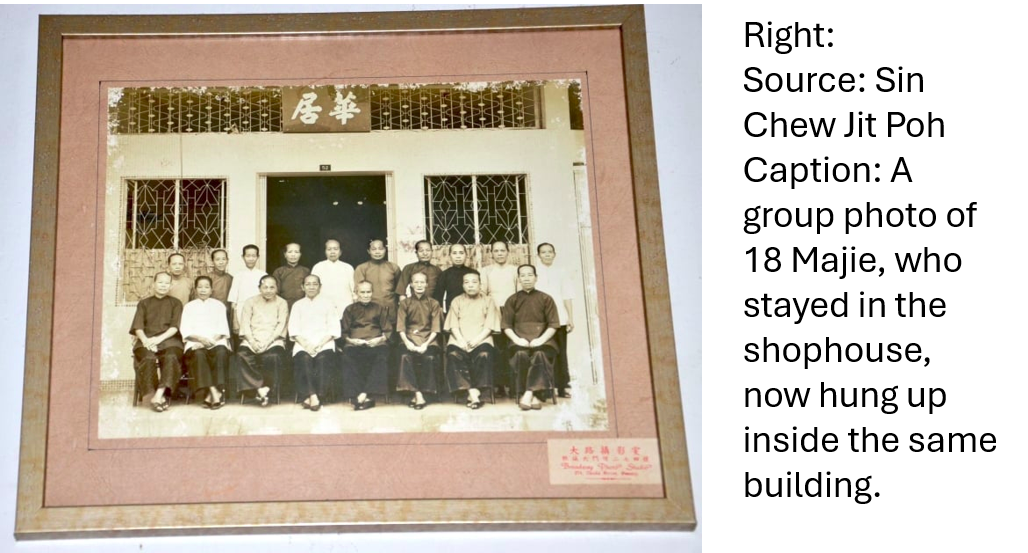
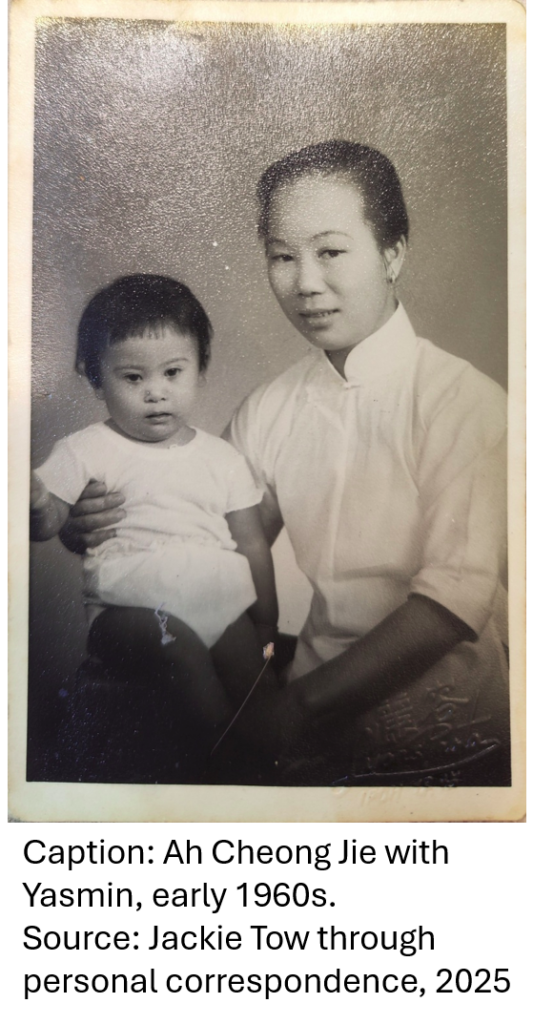
Not all Majies worked in Chinese households, be it in Hong Kong or Malaya. In Hong Kong, the Landau Family, a Jewish family in Asia, employed two Cantonese amahs between 1948 and 1962. In Ipoh, Ah Cheong Jie worked for police officer Dato Yusof Khan for two years (c. 1959-61), taking care of his daughter Yasmin. Even in Chinese households, they did not work primarily with Cantonese, but also with Hokkien families, developing a proficiency in Hokkien and other dialects that rivalled that of their employers.
The lives they built for themselves did not come without personal and social costs. As Malaya moved towards nationhood, many Majies were caught between the country they worked in and the China they still hoped to return to. Most chose to keep their Chinese citizenship, believing that they would eventually return home. Yet, for some, that return was far from comforting but instead was met with betrayal from their own relatives. Some of the Majies eventually discovered how the remittances they’d sent were pocketed by their relatives, swindled by their own blood. But for the fortunate ones, thoughtful employers warned them from blindly trusting their family members back in China, with some of them even offering to care for them in their final years. Others applied for Malayan citizenship for them, as in the case of Ah Cheong Jie in Ipoh.
Even so, citizenship and documentation remained a problem. In 2020, a 107-year-old Majie, Yuan Du Di, was denied her Covid-19 vaccine because she did not have a valid identification card. She had lost her IC when she was much younger, but without the means or awareness to reapply for it, her old age was still shaped by the same uncertainty that followed many Majies throughout their lives.
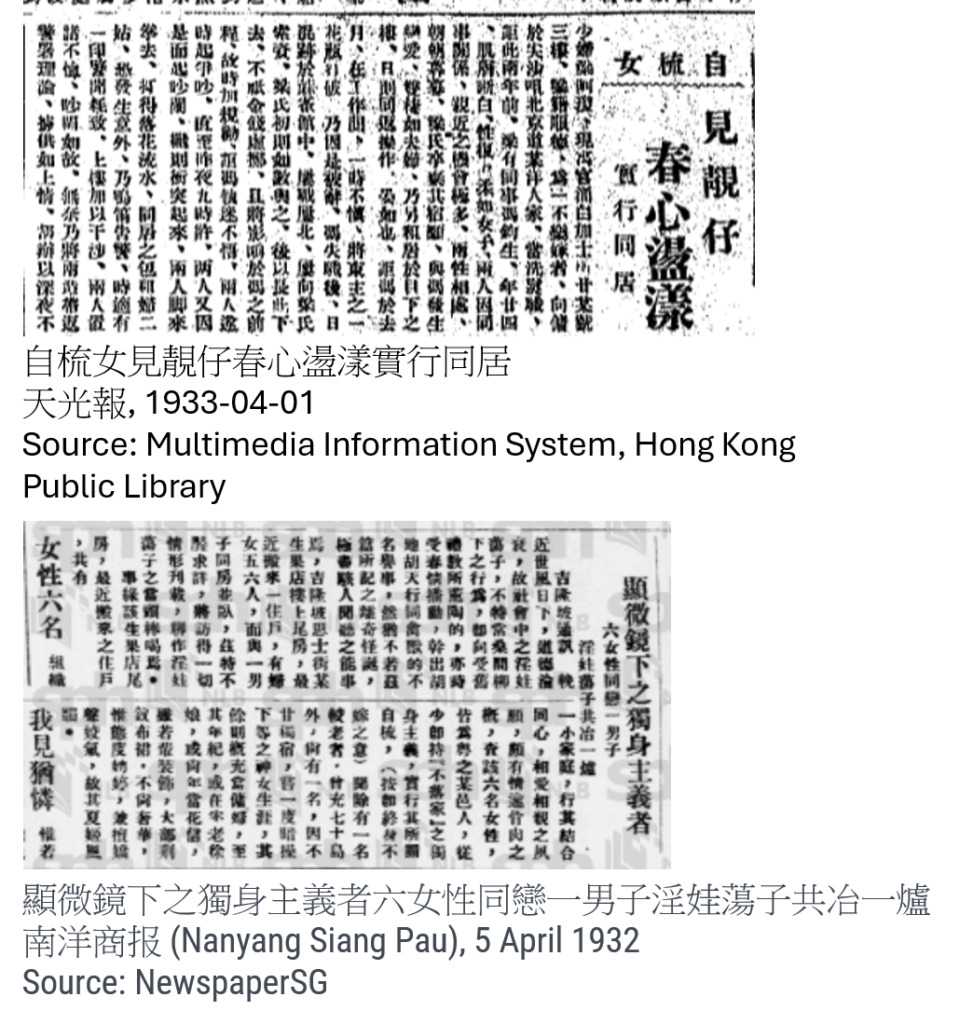
By the 1950s, Maoist China’s New Marriage Law had outlawed southern Chinese marital practices altogether, framing celibate spinsterhood as feudal and anti-modern. However, in Hong Kong and Southeast Asia, the unmarried status of the Majies continued to exist, although not without tension. Press reports in China, Hong Kong and Singapore closely policed their sexual behaviour, where any close contact with men was sensationalised, while pregnancies could lead to public ridicule and even excommunication.
The Cold War and the wave of decolonisation between the 1950s and 1970s shaped the working lives of the amahs employed under imperial service. In August 1963, a thousand Cantonese and Indian amahs marched through Kuala Lumpur, which was also the first police-sanctioned trade union protest in the city, demanding that their service conditions be protected. These amahs were represented by the War Department Civilian Staff Association (WDCSA), as many of them worked for the families of the British Commonwealth Far East Strategic Reserve stationed in Malaya during the time. When news broke about Britain’s decision to reduce its overseas military funding, panic spread among the amahs as their employment contracts were at risk of being privatised, which meant that their service conditions would be placed under the responsibility of individual servicemen instead of being handled directly by the British War Department.

Ravichandran Menon on Facebook Marketplace
The amahs’ cause was supported by Malay nationalists in Malaya, including Senator Che Aishah Ghani, a prominent UMNO member and feminist. Reportedly, in 1964, she helped ease tensions between the Commonwealth Services and the WDCSA, leading to a joint statement outlining the employment expectations for the amahs. These terms, however, were only advisory, and another objective was to limit the union’s direct access to the servicemen. Years of negotiations went by, with strike threats happening across service homes from Sungai Petani to Kluang; eventually, the British War Department finally came to an agreement. The amahs were to be paid a one-time ex gratia payment based on their years of service, with each amah expected to receive around $700 and the total settlement reaching $2 million. Unfortunately, despite this settlement, no proper labour protections were actually granted to them.

The work ethic of the Majies earned them lasting public recognition. Their legacy lingers in Malaysia’s urban landscapes—in abandoned shophouses still legally under their names, once used as communal homes. Their memory lives on in the Malaysian Chinese curry stalls they ran after retiring from domestic service, and in the Chinese associations they helped fund and sustain. A recent two-month commemorative event in George Town, Penang, honoured the “selfless sacrifices” of the Majie, reflecting a renewed historical and public interest in this distinctive group of women.

The Majie, or Cantonese amahs, lived lives shaped by difficult choices and constant balancing acts in both Hong Kong and urban Malaya. Today, they are often remembered in media and heritage circles for their ‘selflessness’ and ‘virtue’—but such praise can overlook the contested realities behind their celibacy and labour. Their experiences were deeply tied to migration across the South China Sea, navigating complex citizenship regimes, and managing loyalties between their birth families and the families they worked for. Their story is one of quiet resilience across borders and generations.
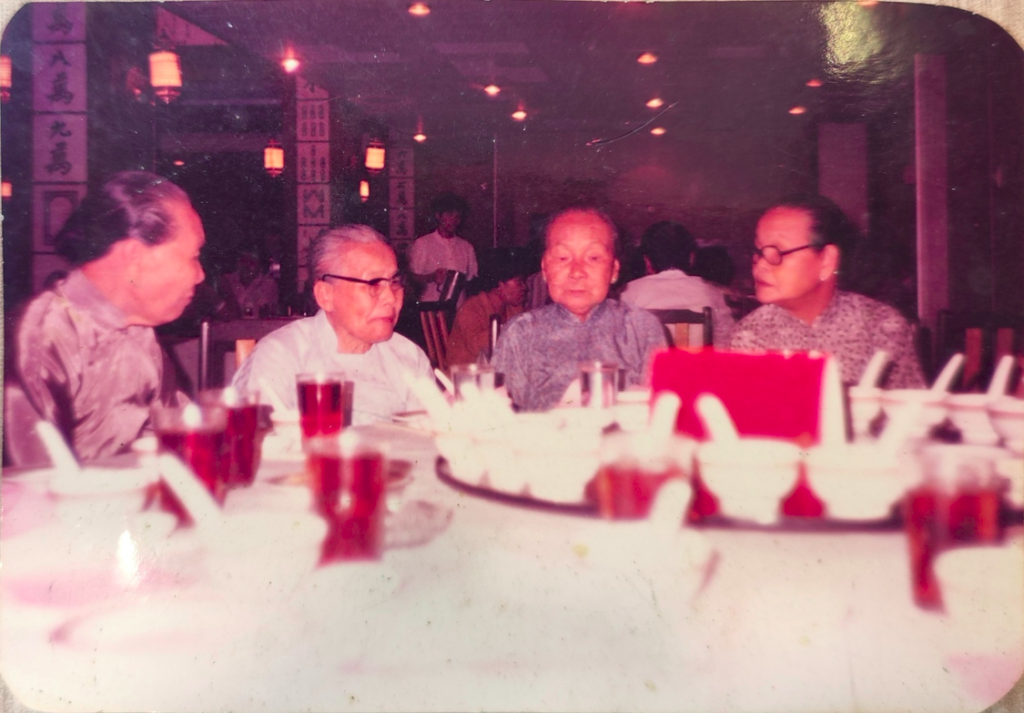
Jackie Tow through personal correspondence, 2025
Further Readings
- Tan, Yingjia. “Comb Sisters.” Places, no. 2024 (November 16, 2024). https://placesjournal.org/article/comb-sisters-canton-delta-china-gupouk/?cn-reloaded=1
- Christina Twomey, “Amah Activism: Domestic Servants and Decolonization in 1960s Malaysia and Singapore”, International Labor and Working-Class History (2023), 103, 312–327.
- Documentaries: 星期二特写:谢幕人生 妈姐 (Tuesday Report: Applaud to Life—Majie), Mediacorp Pte Ltd Singapore, 1995.