
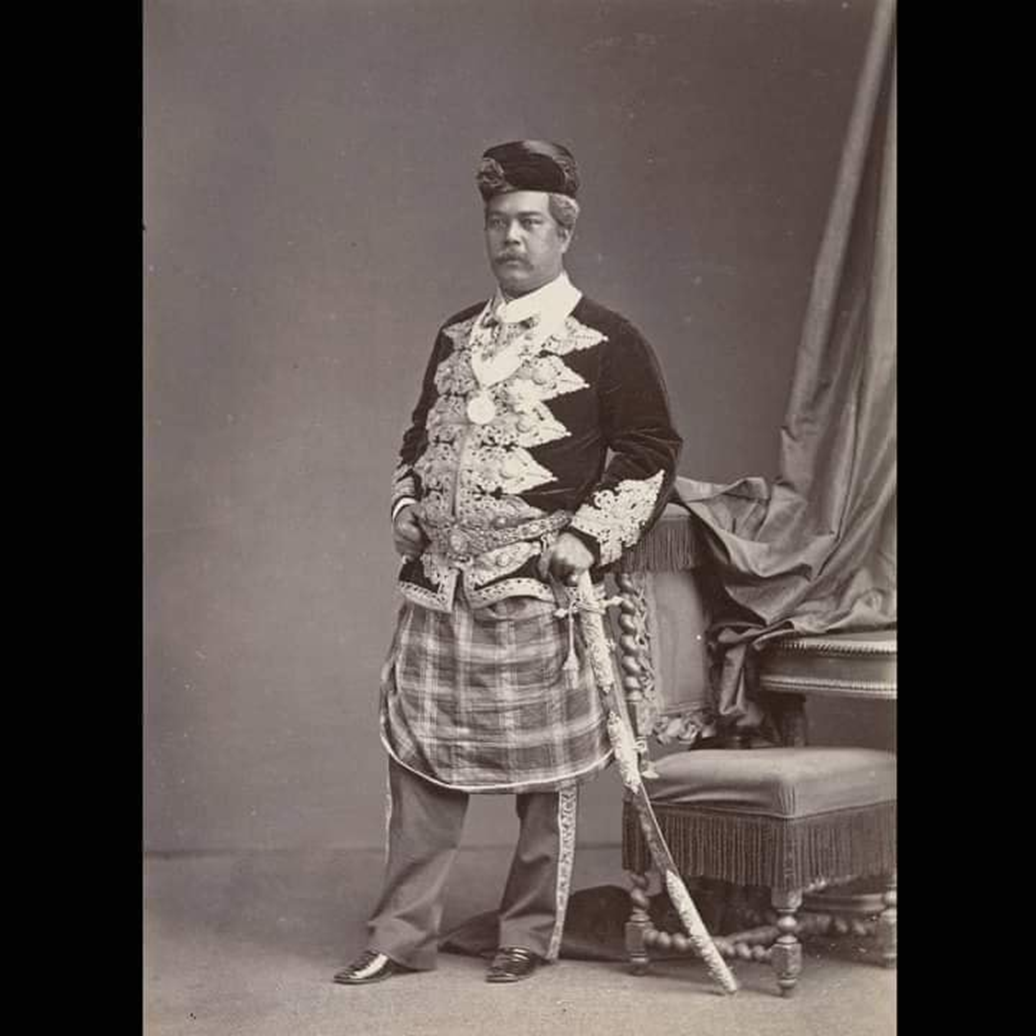
Research By Loong Dien Min
Source: Royal Collection Trust, UK
People, ideas, and print moved across borders—and surprisingly, so did laws. Laws were translated, taken up, travelled, and transformed through the figures who carried them. Sultan Abu Bakar of Johor (1833-1895) was one such person. Not only did he travel extensively and build alliances with Muslims and non-Muslim states, but he was carried laws from place to place. A key example of this is the Johor Constitution of 1895 (Undang-Undang Tubuh Kerajaan Johor 1895), the first Constitution in Southeast Asia
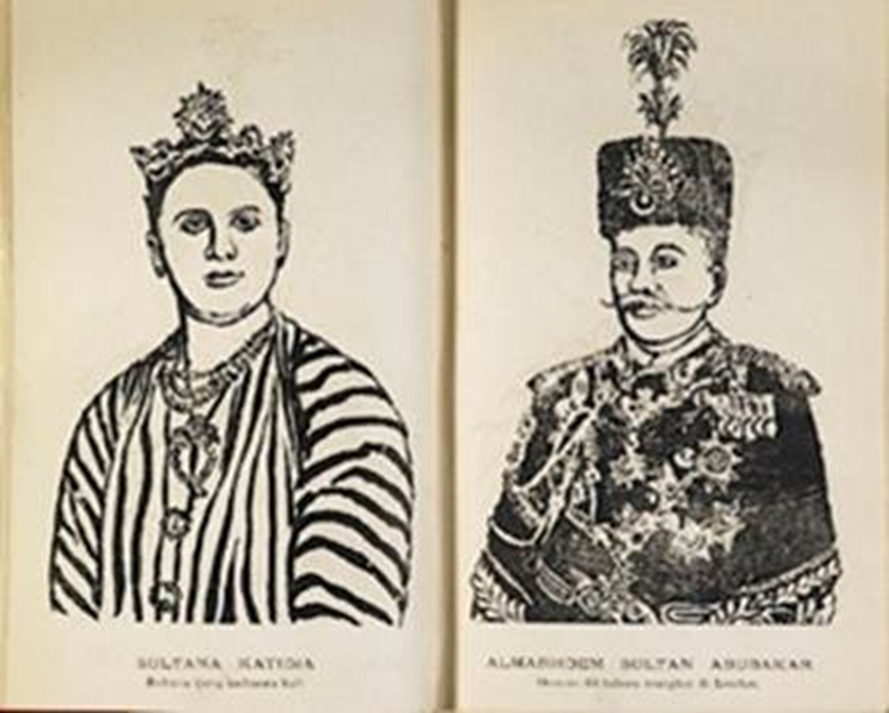
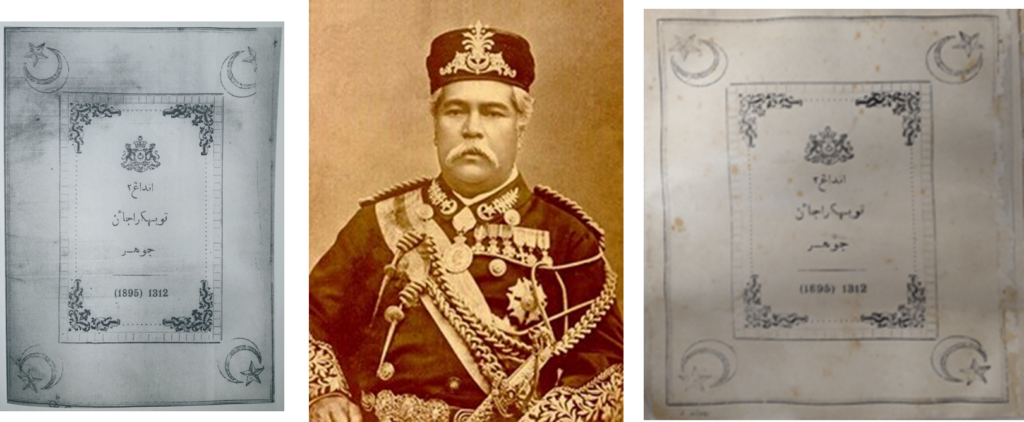
Source: Amat Asmiaty et al. (2021). “Influence of the Turkish Empire on Malaya in the Malay Manuscript of the Leiden University Library Collection”. Psychology and Education Journal 58 (2). 5960.
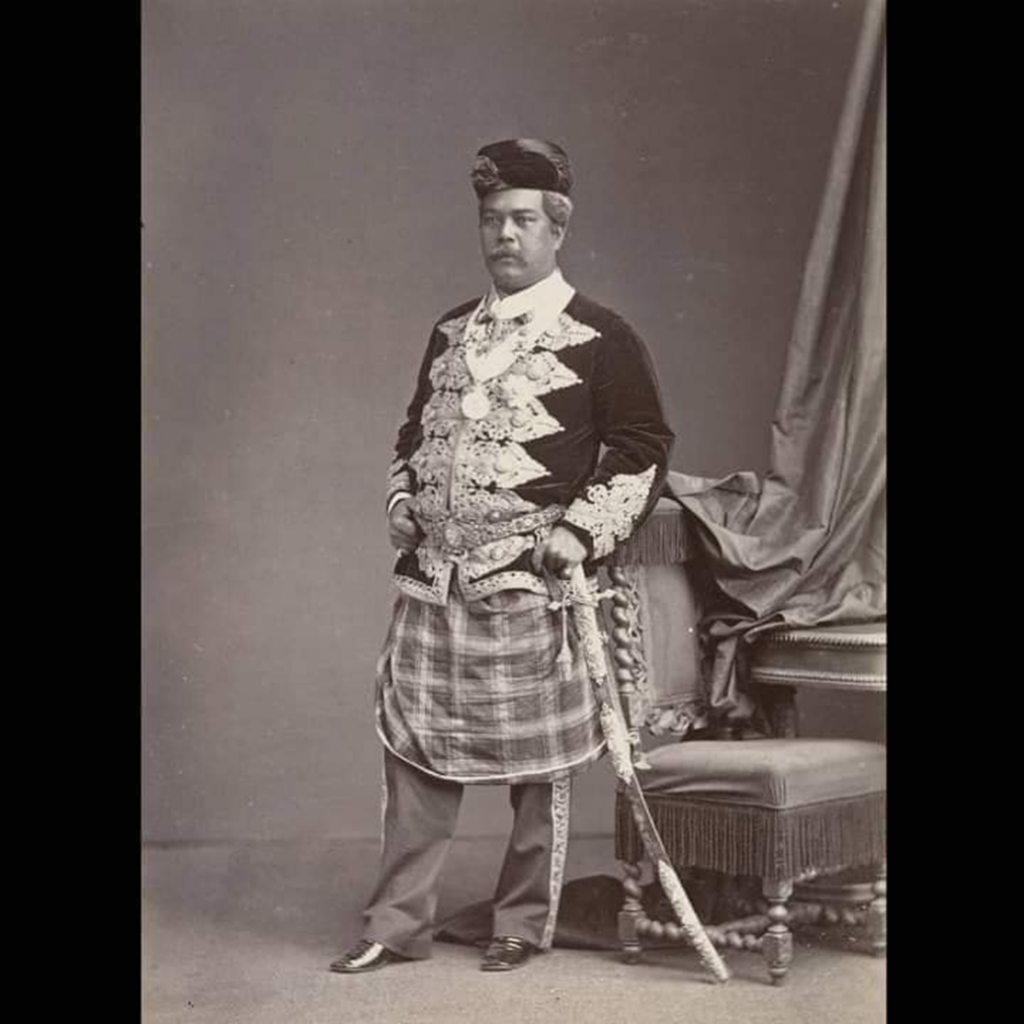
In the late nineteenth century, the mobility of a ruler was entwined with sovereignty, state-building and diplomacy. Beyond the Islamic World, the Sultan paid visits to King Umberto I, the second king of Italy between 18 and 24 April 1885. In 1875 to 1876, he travelled to India and briefly visited Ceylon on his way back from England in 1878. In 1881, he journeyed to Java, and in 1883, he toured Hong Kong, Japan, and China. He even received King Kalakaua of Hawai’i at the Istana Besar in the capital of Johor Bahru. Travelling allowed him to project legitimacy to multiple audiences, be it European, Asian or Muslim.
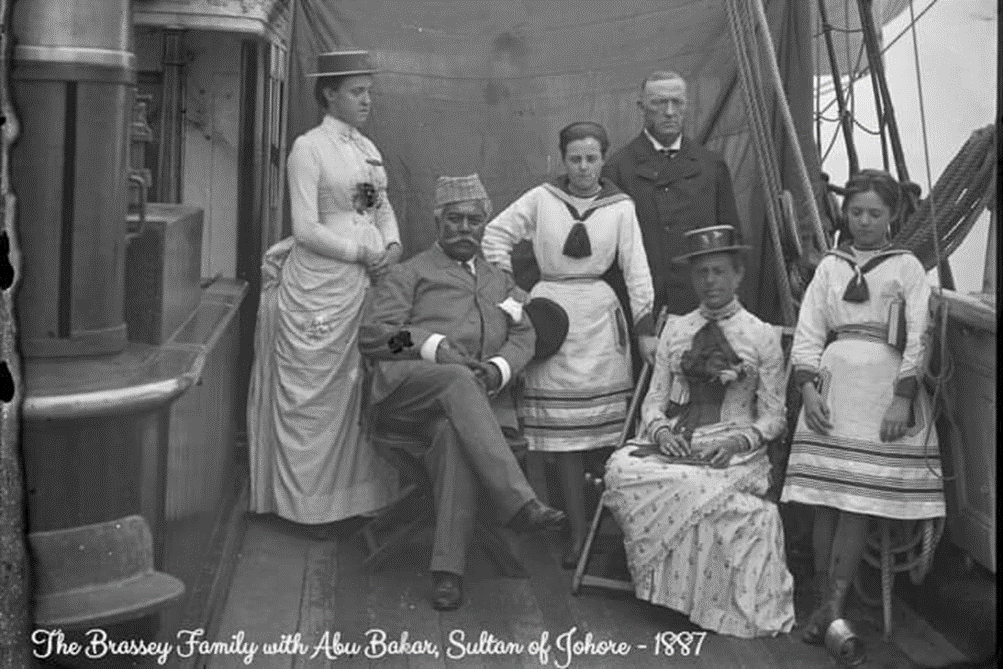
Source: Izmal Karim, on X-plorasi
Sultan Abu Bakar’s was forced to constantly account for European imperial pressures, especially the British, to secure his rule. In 1885, he signed a treaty in London which ceded foreign affairs to the British in exchange for recognition as the lawful sovereign of Johor. He also developed close relations with Queen Victoria of England. By 1890, he was already well-known among the European aristocracy and appeared several times in the American press. Acquiring an international presence was an important part of his campaign to gain official recognition by the British, Dutch and the French.
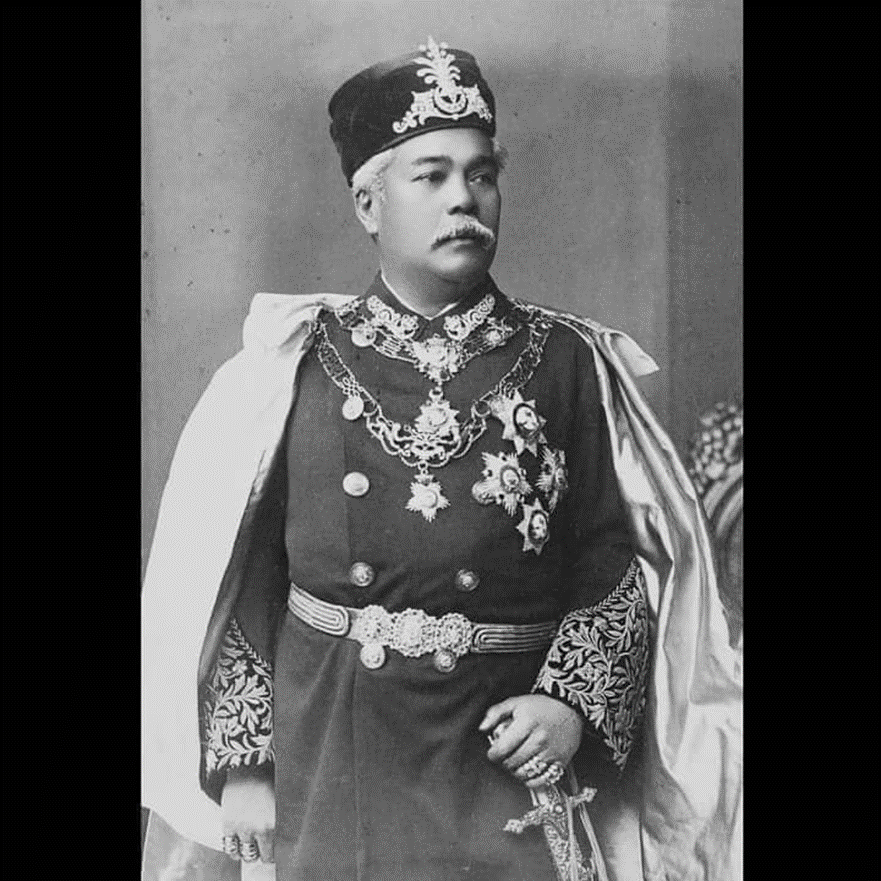
The Sultan’s identity as a global traveller was informed by his mobile past. He was educated by British missionaries, brought up in Singapore, and forged close relationships with the Arab, Chinese and English during his rule. Often accused as an Anglophile, his earliest advisors were in fact, Hadhrami Arabs, who were able to exploit Hadhrami networks for commercial, social and religious purposes.
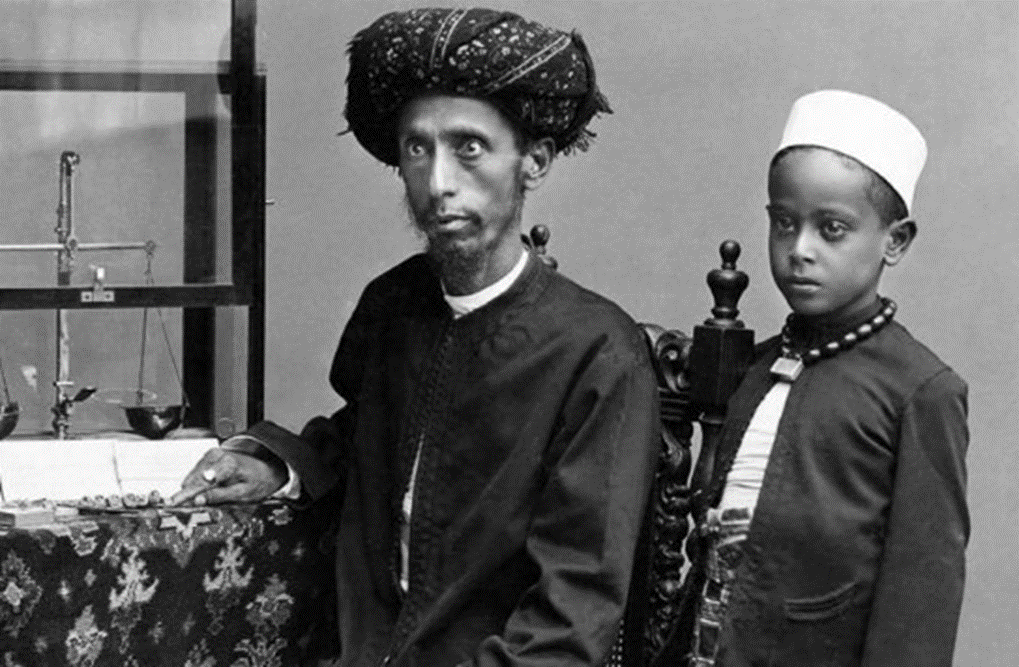
Source: Alwi Alatas, Hidayatullah.com
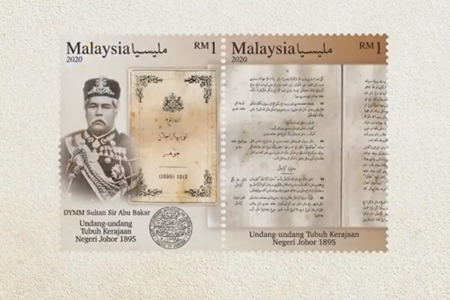
The Johor Constitution of 1895 declared Johor’s autonomy. Drafted by the Sultan’s English legal advisors in Singapore and his Malay ministers, it outlined the duties of Cabinet and Legislative Council, placed the Sultan as head of state, and made Islam the state religion.
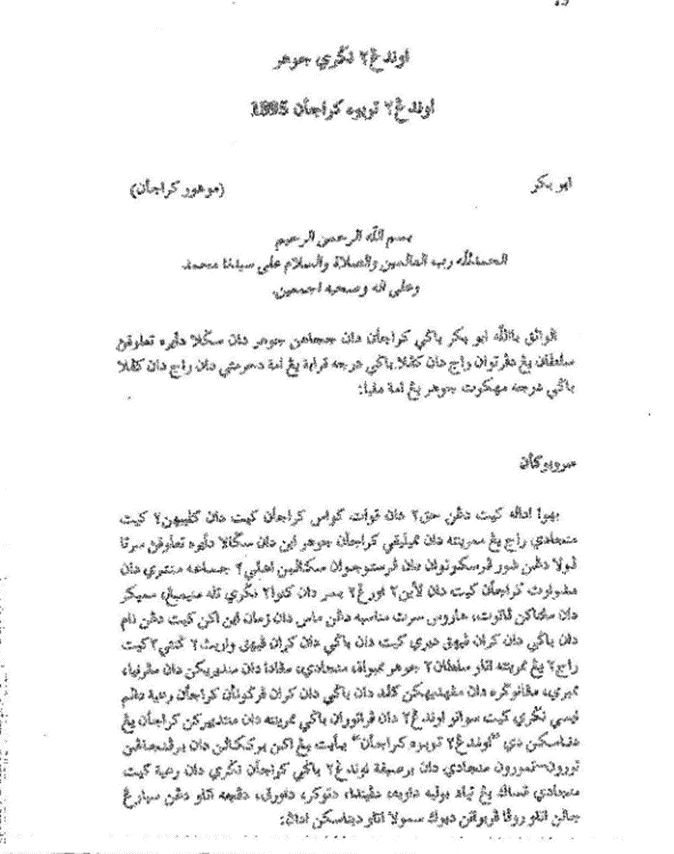
Source: Dewan Negeri Johor
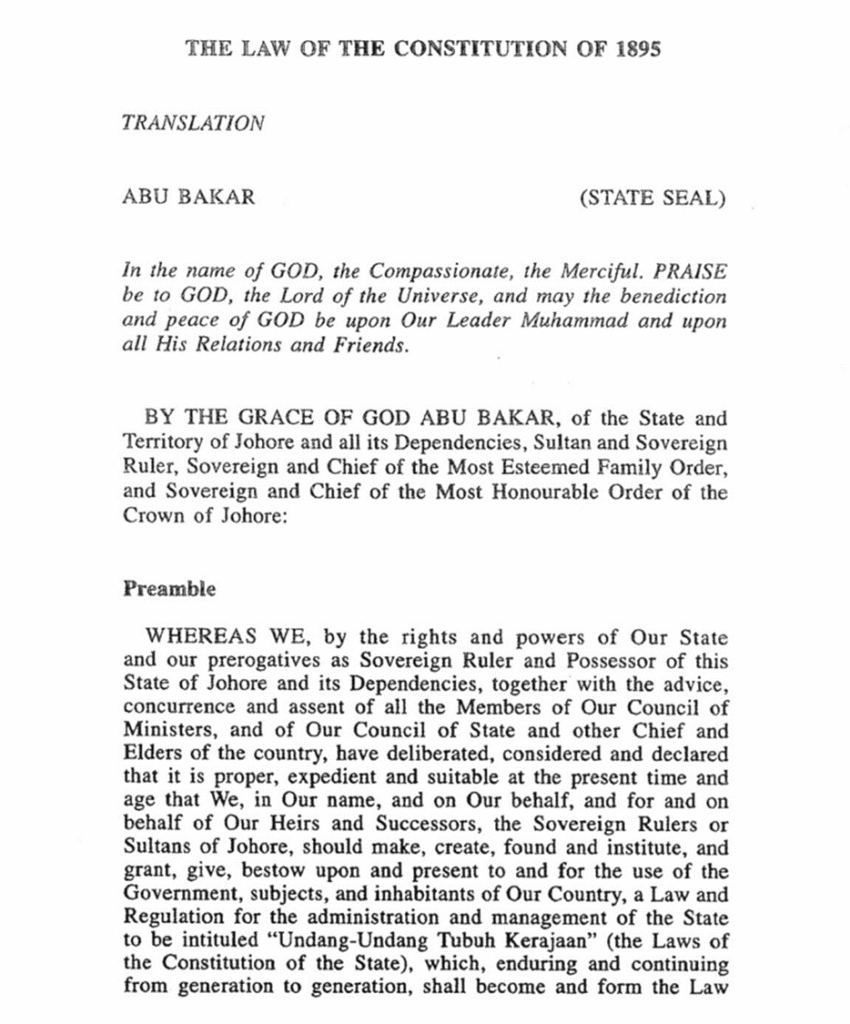
Source: Dewan Negeri Johor
In its layout and language, the Constitution loosely resembles the Meiji Constitution of 1890, the only other Asian constitution available at that point. But Japan was not the only state wherein state elites were trying to fight for a new Constitution. In both Siam and the Ottoman empire, proposals to establish a constitution were struck down by King Chulalongkorn and Sultan Abdulhamid respectively in 1885 and 1878.
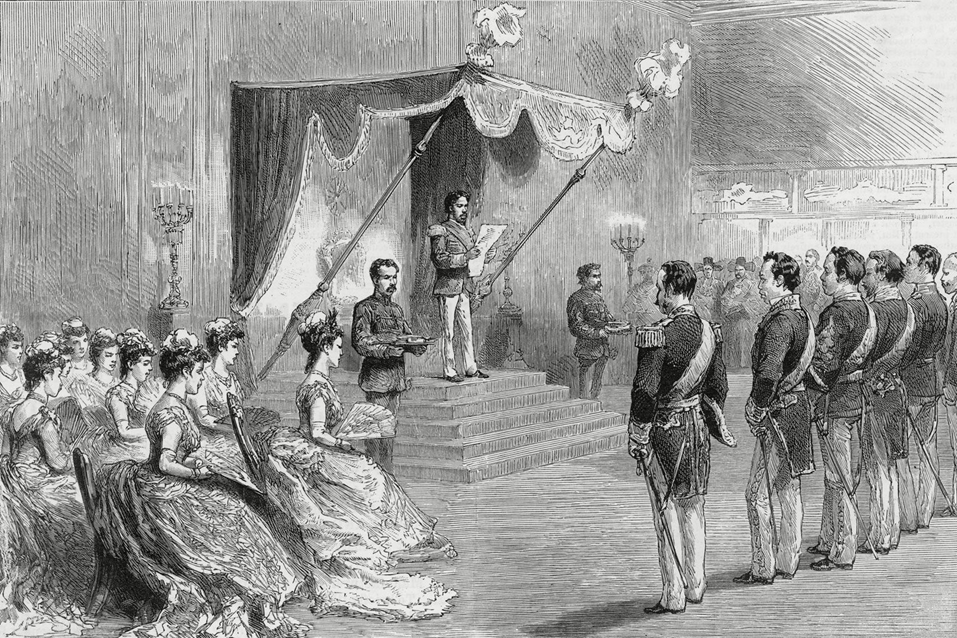
Source: Britannica
The Constitution was part of the Sultan’s wider reform program to bolster his authority and his descendants over Johor. When it was being drafted, the Sultan was already ill. The Constitution was then enacted the same year as his death. Until then, the Sultan’s political claim over Johor was only guaranteed through official treaties with the British. A constitution was seen as a better defence against succession disputes, external interventions or political instabilities, because it could not be changed or revoked as easily as treaties.
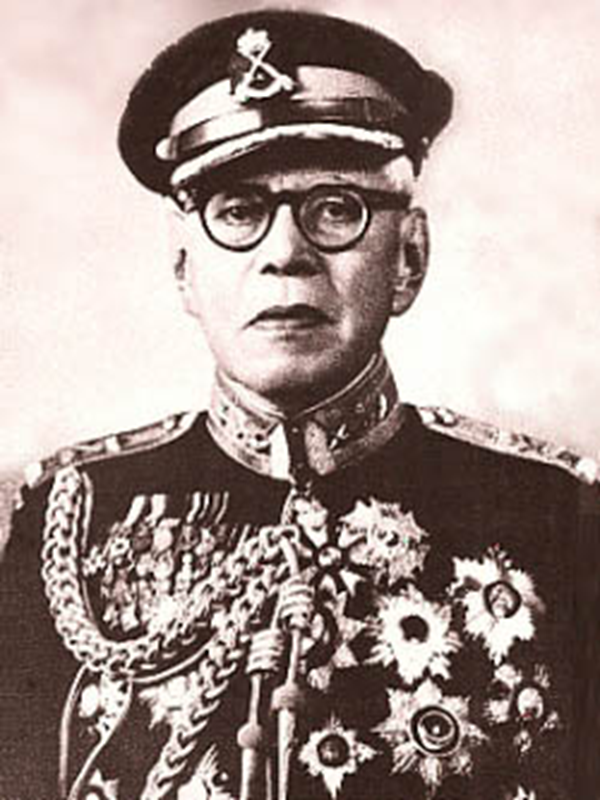
Source: Wikipedia
The Johor Constitution was Sultan Abu Bakar’s attempt to weather challenges to political instability and imperial pressure. It was successful and influential on many levels. Despite the fate of the Straits Settlements and Federated Malay States, Johor became the last Malay State to admit a British Adviser in 1914. This was intimately linked to the Sultan’s itinerant life and his transregional adoption of laws. The Johor Constitution provided the groundwork for the Federation of Malaya Constitution of 1957, which continue to be the rulebook for the Malaysian state today.
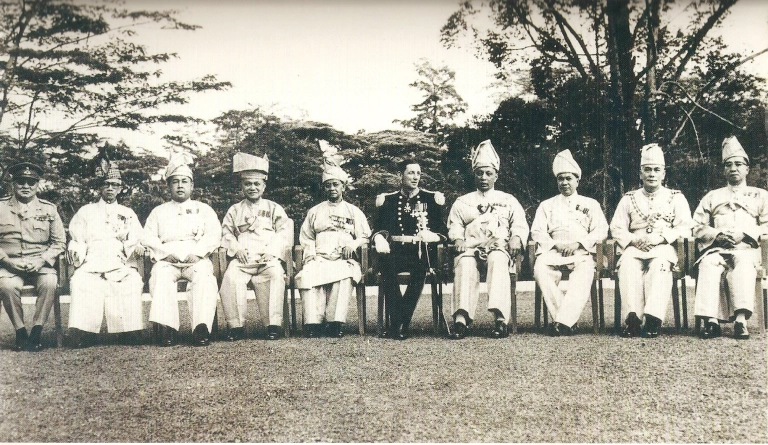
Source: SembangKuala
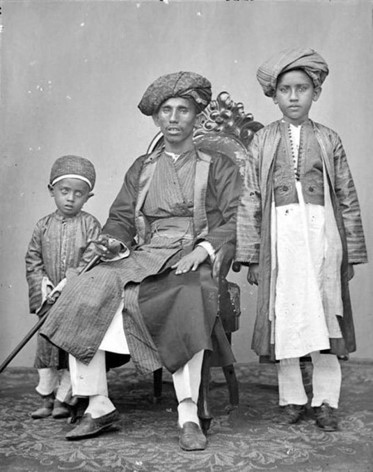
Source: Antimateri.com
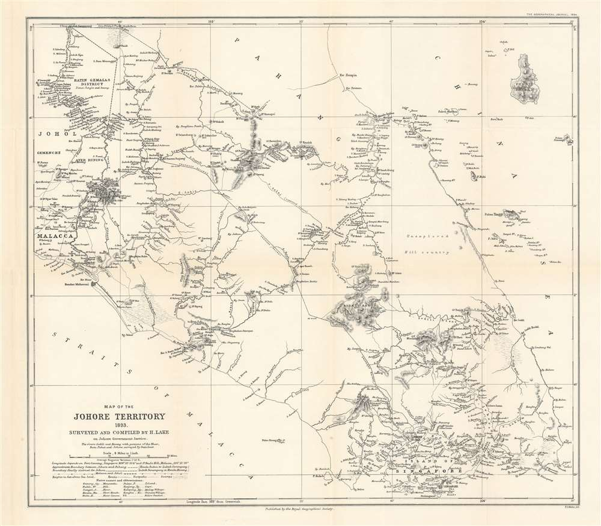
Source: Geographicus Rare Antique Maps
Further Readings
- Iza Hussin. “Textual Trajectories: Re-Reading the Constitution and Majalah in 1890s Johor.” Indonesia and the Malay World 41, no. 120 (July 2013): 255–72.
- Abdul Rahman Tang Abdullah. “Sultan Abu Bakar’s Foreign Guests and Travels Abroad, 1860s-1895: Fact and Fiction in Early Malay Historical Accounts.” Journal of the Malaysian Branch of the Royal Asiatic Society 84, no. 1 (June 2011): 1–22.
- Miller, Nicholas. “Family Resemblance? Colonialism, Sovereignty, and the Global Royal Family in Nineteenth-Century Hawai‘i and Johor,” in Robert Aldrich et al., ed. Global Royal Families: Cultures of Transnational Monarchy in the Nineteenth and Twentieth Centuries. Oxford: Oxford University Press, 2024.