Research by Muhammad Suhail │ Editing by Loong Dien Min │ Design by Dennis Ong
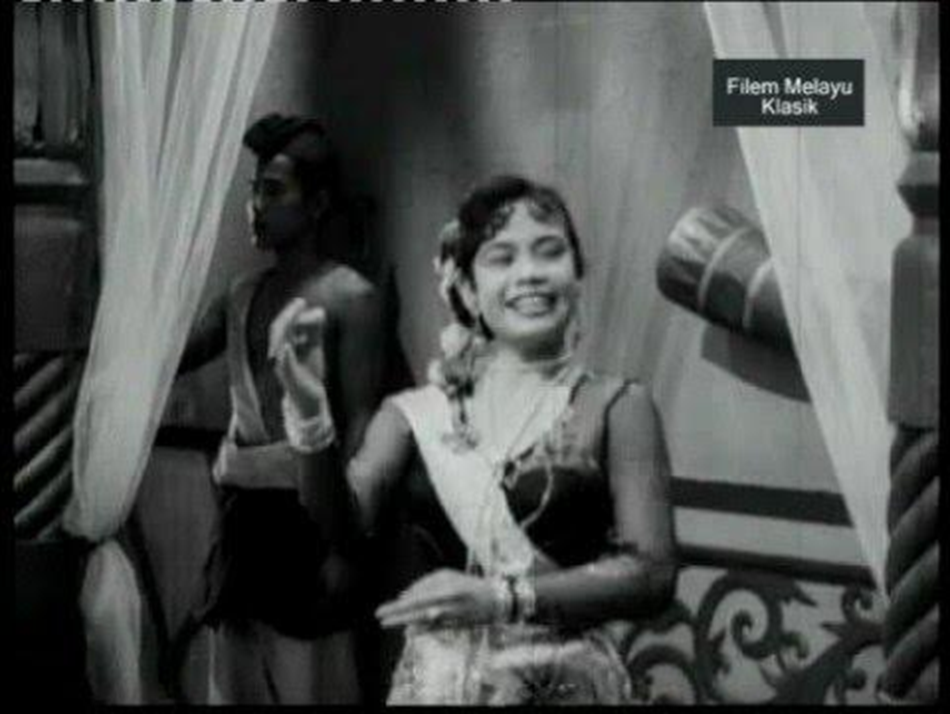
Lyrics to Ketipang Payung
Ala payunglah payung ketipang payung
Payung sutera nak raja muda
Ala tolonglah tolong cik abang tolong
Janganlah marah pada adinda

Daun mengkudu bercabanglah cabang
Tempat temasya semut kerengga
Tidakkah rindu (oi kepadalah abang)
Menunggu masa hai serumah tangga

Daunlah nipah ditebanglah tebang
Batanglah padi aku lurutkan
Kalaulah sudah (oi kepunyaan abang)
Ke laut api kanda turutkan
An umbrella, oh the pristine umbrella
A silk umbrella desiring a prince
Please my darling, I merely ask
Do not be furious with me

Branches of Indian mulberry leaves
The place where ants thrive
Do you not, my dearest one, long for me?
The wait for marriage only deprives

Gather palm leaves and plenty more
Harvest the ripe padi till one tires
Oh, if I am already yours
I will stay with you even into seas of fire

(translation by Suhail)

In 1959, Shaw Studio’s Malay Film Productions released Nujum Pa’ Belalang, (Pa’ Belalang the Astrologer). This film was one of many released by the production company in collaboration with the multi-talented seniman (artiste), P. Ramlee, defining the ‘golden era’ of Malay films.
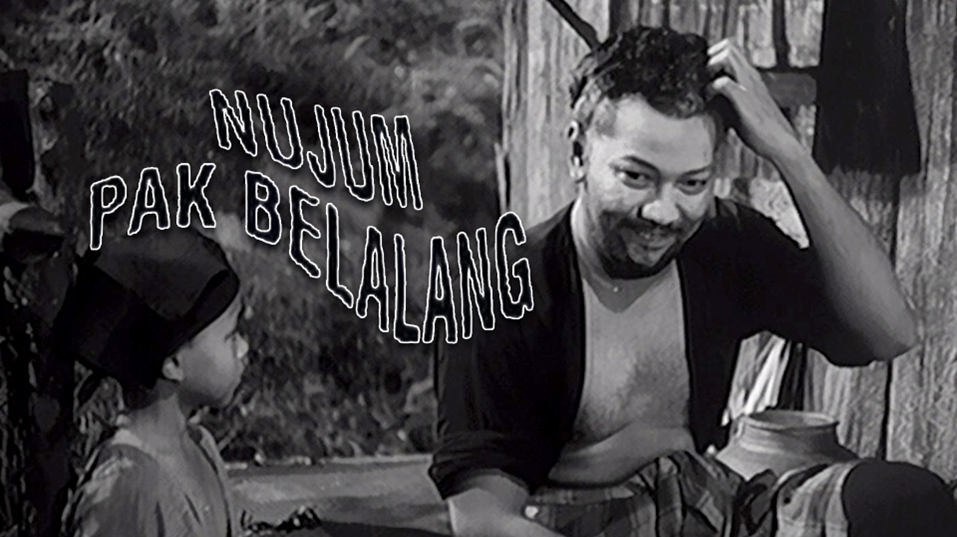
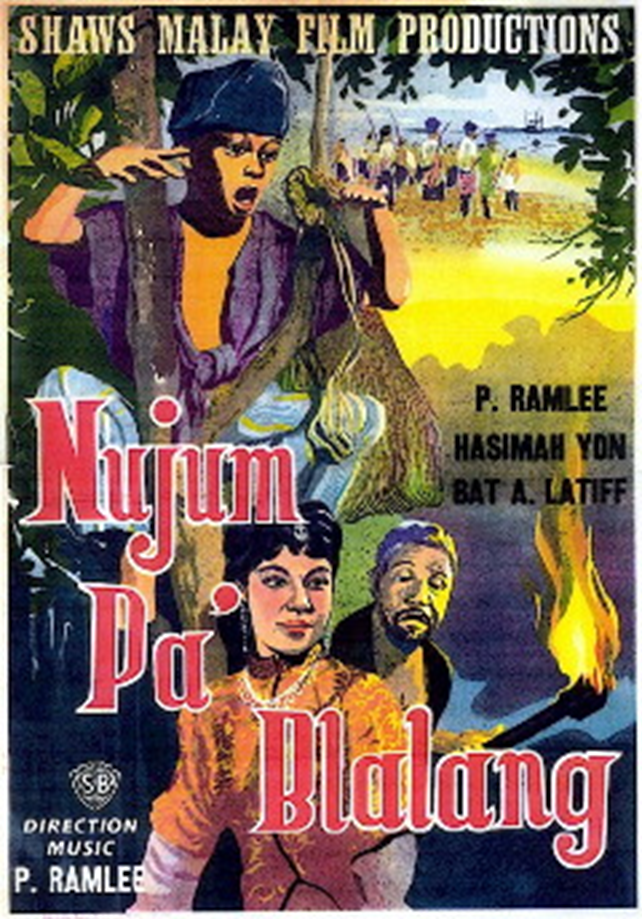
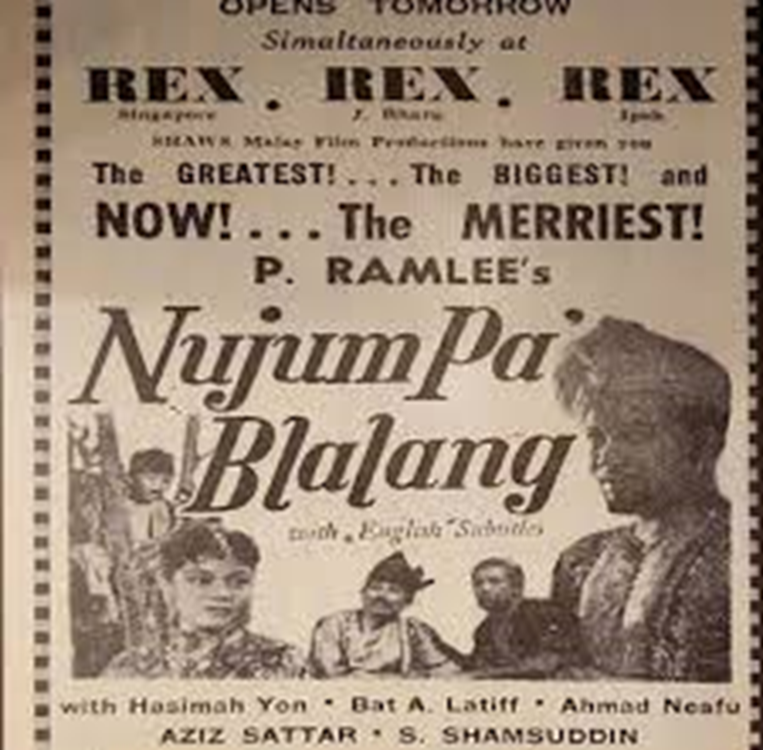
Like many films of that era, Nujum Pa’ Belalang engaged many socio-political themes which were in the minds of Malayans, like modernity, self-determination, and identity. But keeping with the genre of Malay cinema of that time, a film cannot be complete without songs! Ketipang Payung was one song that was featured in Nujum Pa’ Belalang, composed by P. Ramlee, sung by Rahmah Rahmat, and arranged by S. Sudarmaji. With his own vocals, Ramlee had recorded another rendition of the song with his wife, Saloma.
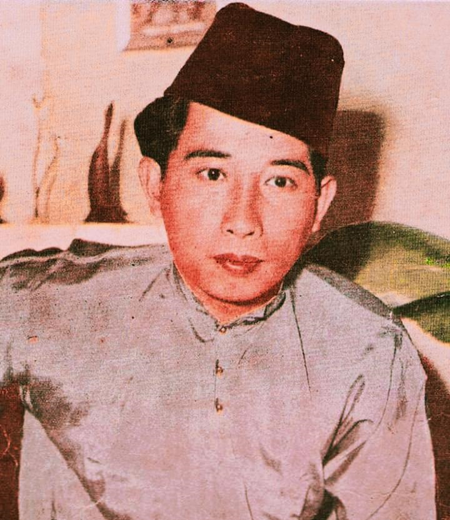
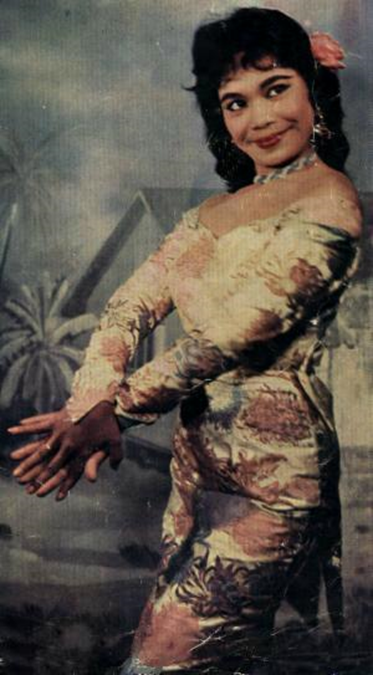
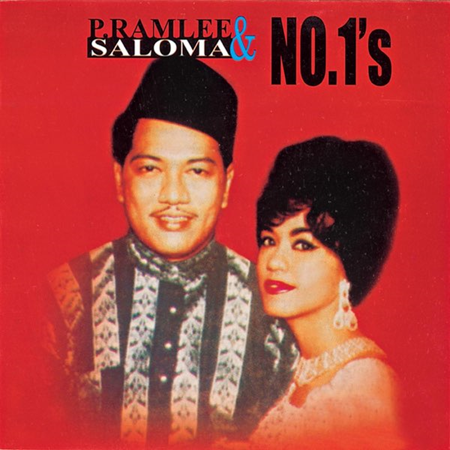
Songs like Ketipang Payung get popularised through films, but they were in themselves a particularly special medium for nation-making. Through film music, composers like Ramlee and Zubir Said explored the many values of a society in transition. Their songs were aired over the radio and their records were also widely sold. Listening to Malay film music came to be a shared experience for many Malayans across all races.
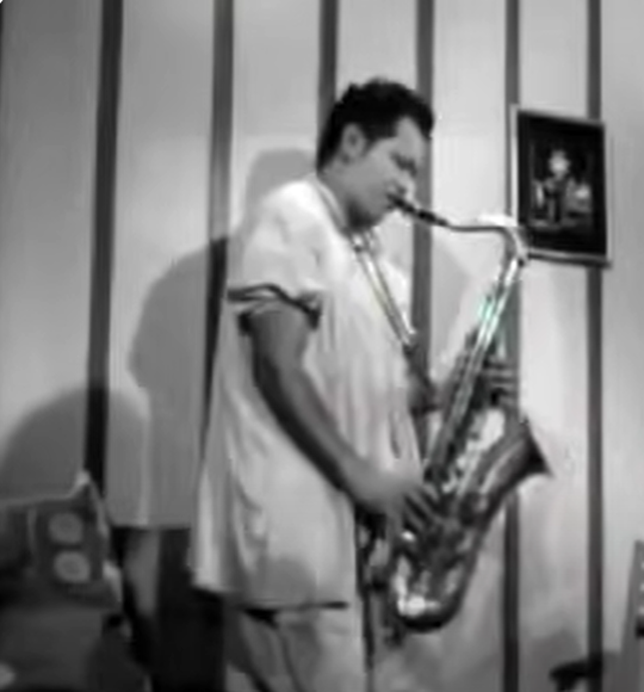
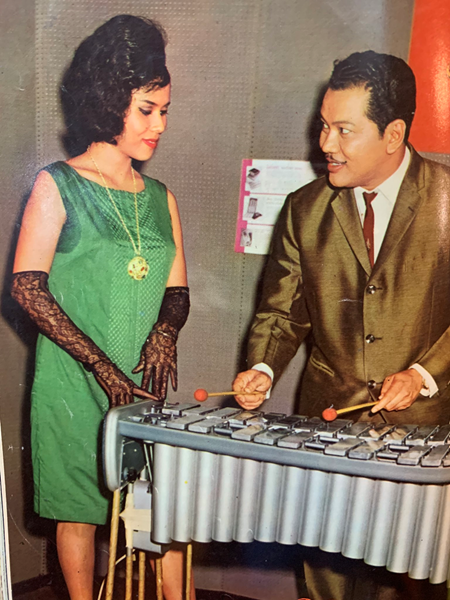
This particular screenshot was taken from Ibu Mertuaku (1962), as saxophonist Yusof B. played the song ‘Jeritan Batin’, composed by P.Ramlee.
Source: MUBI Malaysia on X
Ketipang Payung was one song that reverberated beyond Malayan shores. In 1960, Malaya participated in the United Nations Peacekeeping Force in the Congo (ONUC). This multinational armed mission was a global response to intervene in the former Belgian Congo, which collapsed shortly after the republic gained independence. Belgium, as the former colonial power, re-invaded the mineral-rich Congo to protect Belgian business interests, inviting worldwide scorn for the incursion against Congolese sovereignty.
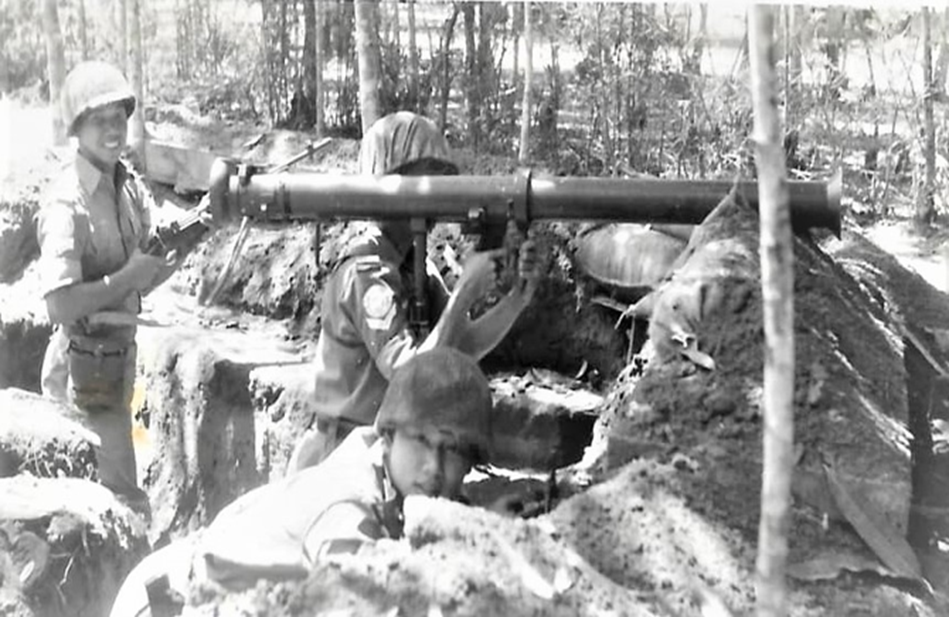
Source: Op Lt Tan Siew Soo’s commentary in UPNM
More photos: https://cdisscommentary.upnm.edu.my/index.php/84-cdiss/442-the-malayan-special-force-in-the-congo
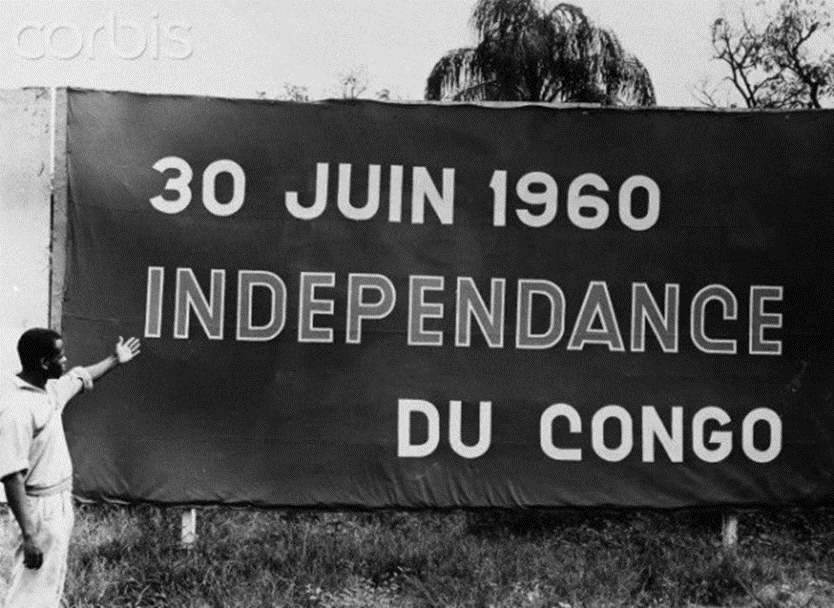
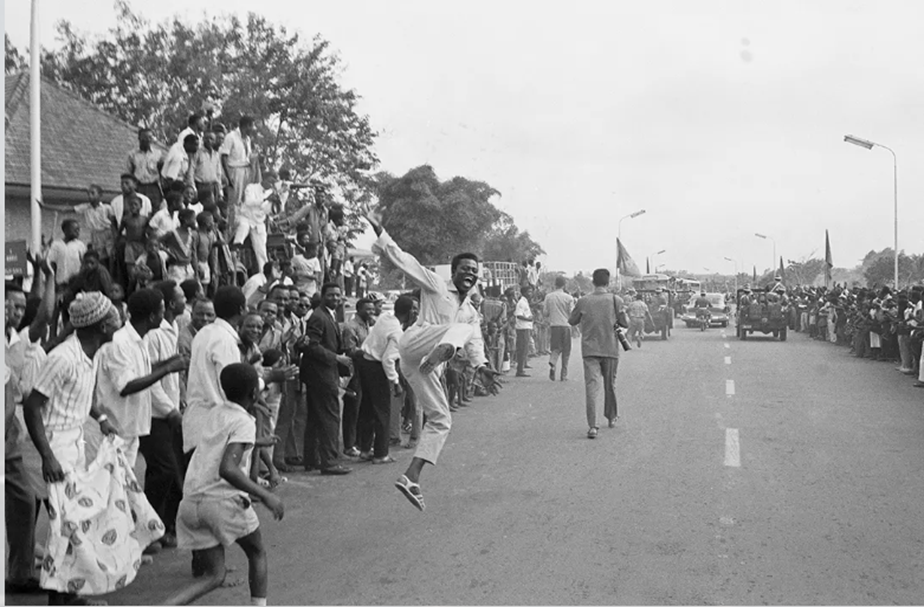
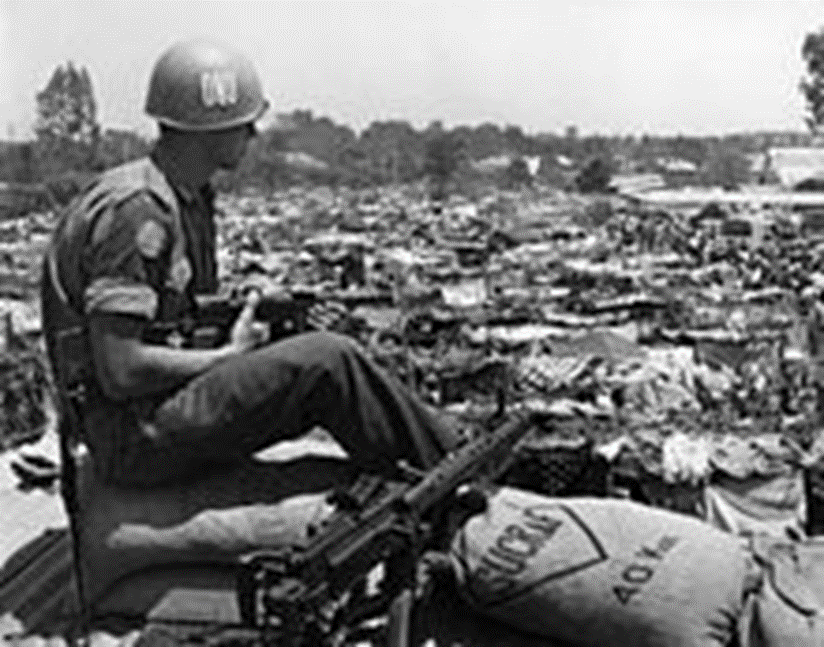
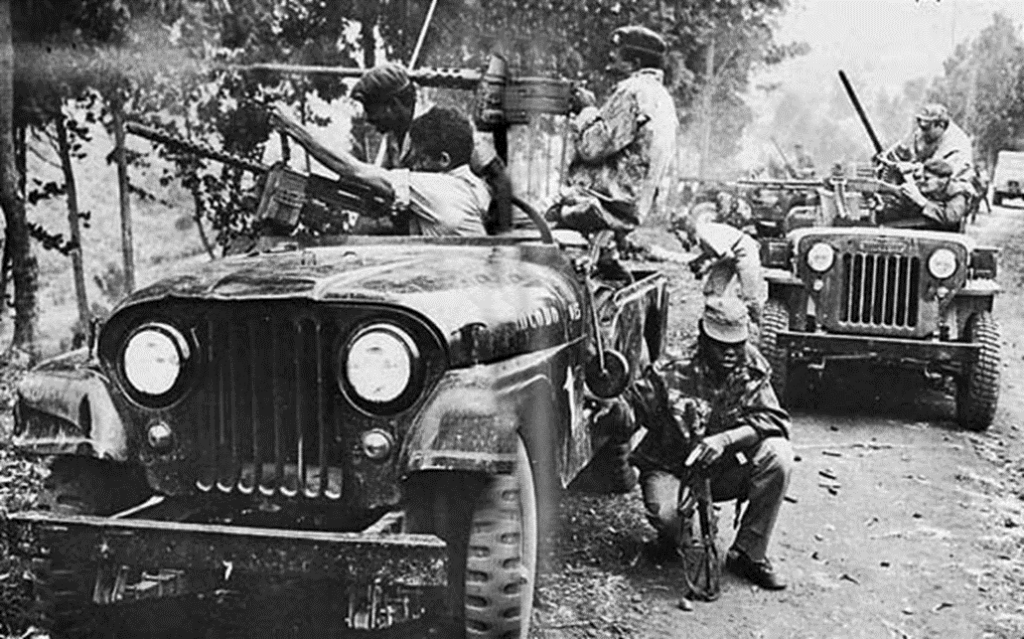
The ONUC was Malaya’s first peacekeeping mission as a United Nations member state and its first overseas military operation after independence. For 31 months, Malayan troops actively participated in the ONUC to protect the newfound independence of a fellow postcolonial nation
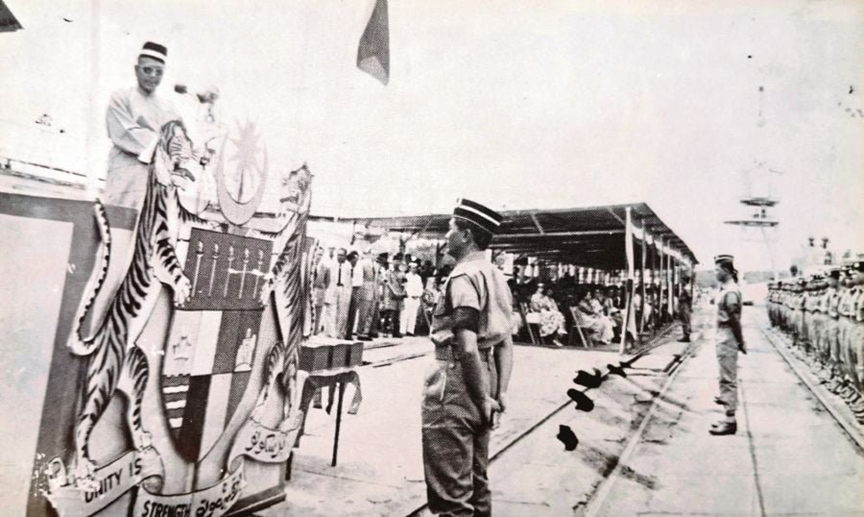
Source and Caption: ALAN TEH LEAM SENG, NSTP
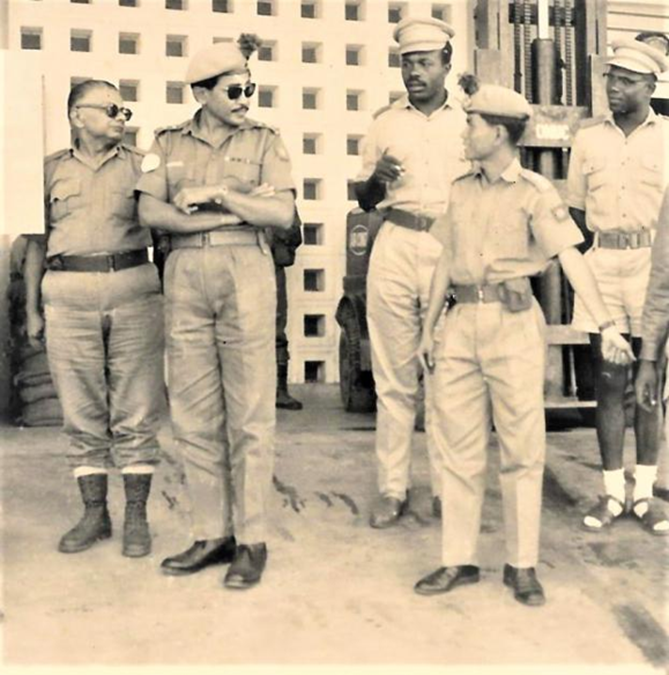
Capt Zakaria Dahlan (IO) on the right
Source and caption: Op Lt Tan Siew Soo’s commentary in UPNM
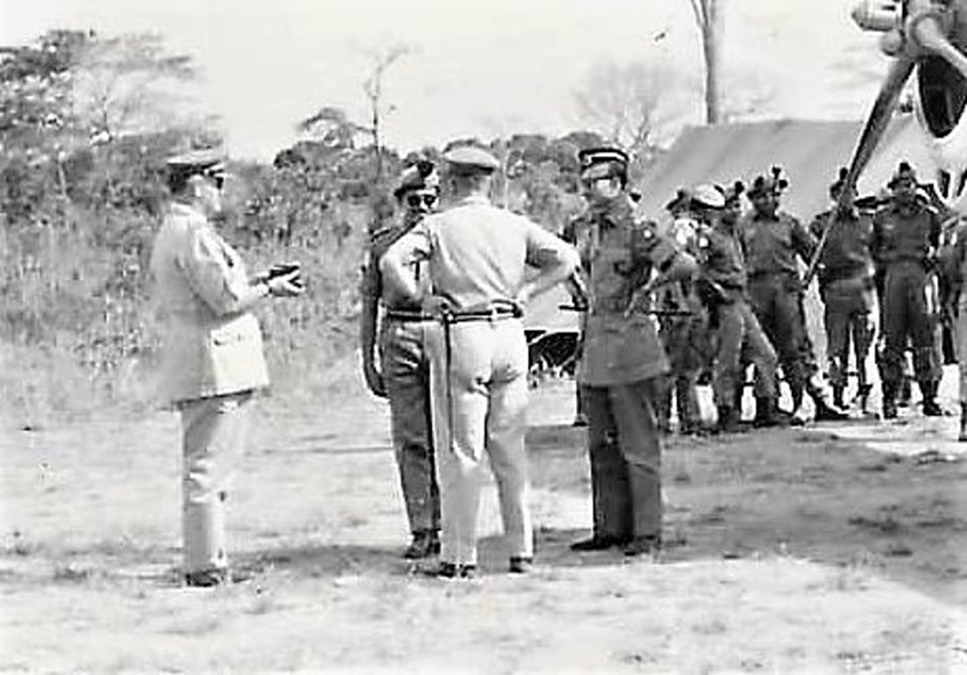
with Brigadier Hamid Bidin on extreme right
and Brigadiers Ward and Goolsen of the 3rd Nigerian Bde.
Source: Op Lt Tan Siew Soo’s commentary in UPNM
For many Malayan troops on Congolese soil, this was the furthest they had been from home. In April 1961, a troupe of Malayan artistes visited the Congo to raise morale. Among them were acclaimed actresses Hashimah Yon and Normadiah, as well as singer S.M. Salim and musician Hamzah Dolmat. They toured the entire Congo, covering a total of more than 15 cities to entertain not only Malayan troops, but also ONUC personnel from all over the world, as well as Congolese citizens and soldiers.
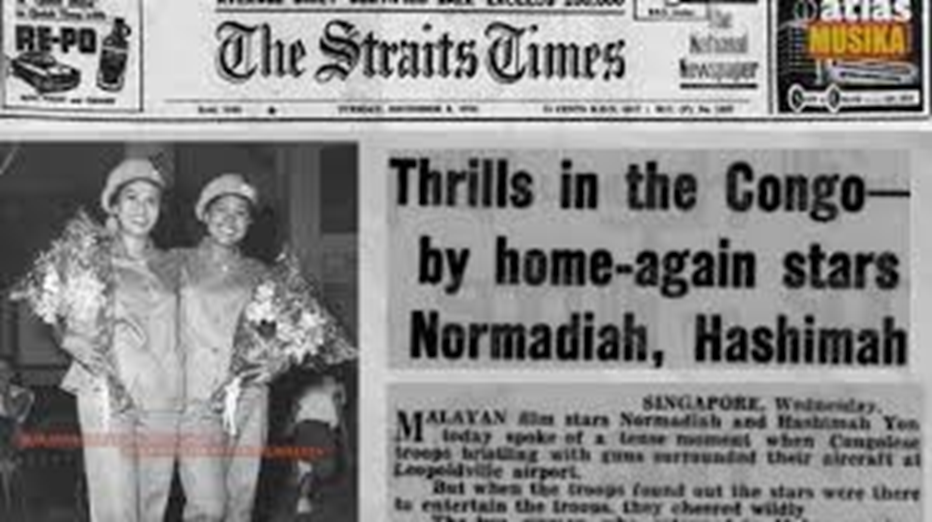
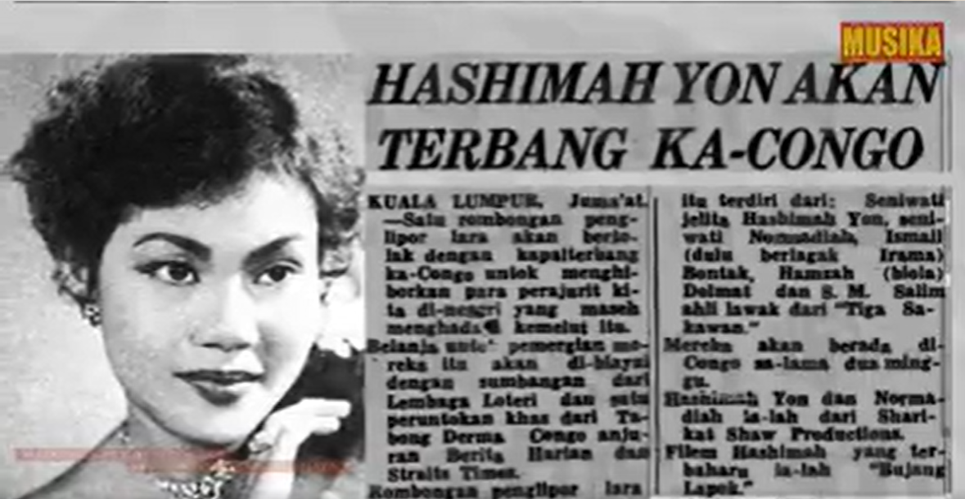
Source: Musika on Facebook
https://www.facebook.com/watch/?v=2712412582369547
Ketipang Payung was a big hit in the Congo. Malayan soldiers had taught their multinational ONUC counterparts the lyrics so that they could all participate in sing-alongs. The artistes were themselves taken aback by the enthusiastic responses to their performances so far away from home.
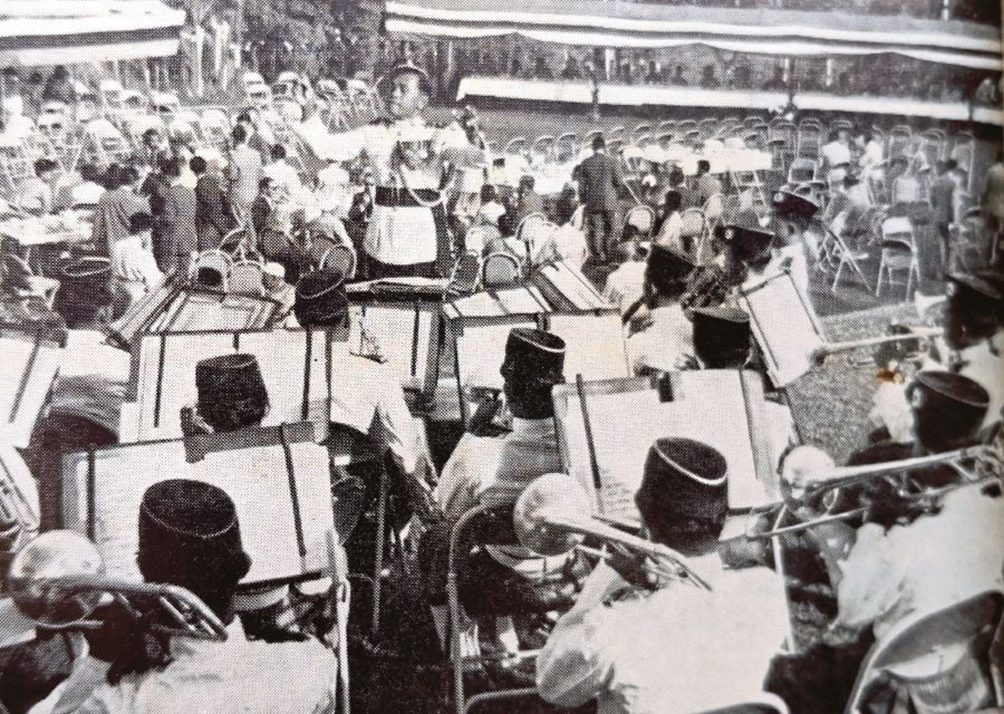
Source and Caption: Alan Teh, NSTP
The story of Ketipang Payung demonstrates that Malay film music had a transregional life, both internal and external to it. As the world defended Congolese sovereignty, decolonisation became a vector for the transmission of Malay film music, reaching spaces, audiences, and minds beyond Malaya. This song was one example how one cultural product of one nation forged social bonds of Afro-Asian solidarity during the era. Indeed, it came to represent a newly independent Malaya to the world.
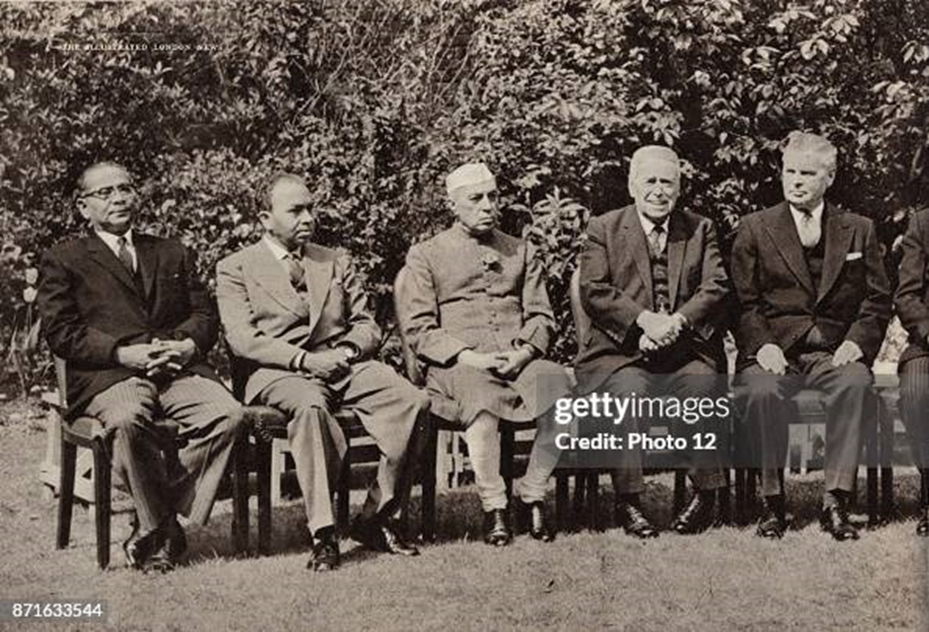
Source: Photo 12/Universal Images Group via Getty Images
Further Readings
- Adil Johan, Cosmopolitan Intimacies: Malay Film Music of the Independence Era (Singapore: National University of Singapore Press, 2017).
Suhail’s profile
Muhammad Suhail Bin Mohamed Yazid is a Fellow at the Harvard University Asia Center. He recently obtained his PhD in History from Trinity College, University of Cambridge. His doctoral thesis explores Malaysian involvement in the Congo, as well as the country’s leadership of different international organisations during the 1960s.