-
Looking Through a Creole Lens: Moving Beyond Race Categorisations and Towards Transnational Histories
Did you miss our book discussion on Becoming Arab: Creole Histories and Modern Identity in the Malay World by Dr Sumit K. Mandal? One of the discussants, Afra Alatas penned her thoughts on this publication and adds a personal touch by reflecting on her own heritage. On my last trip to Kuala Lumpur in July,…
-
Intersectionality in Malaya’s Feminist Movements
Missed our public lecture? Fret not! Read on to get a detailed (like really, really, REALLY detailed) recap of the event: Intersectionality is an analytic framework which considers that the various forms of what it sees as social stratification, such as class, race, sexual orientation, age, disability and gender, do not exist separately from each…
-
Our Story: Movers of the Re-imagination of Malaysia
Two years ago, Imagined Malaysia started off as a Facebook page focusing on online content creation about the aspects of Southeast Asian history that are not known to the Malaysian public, as excluded in textbook education. We later ventured into organizing our own reading group that focuses on postcolonial theorists. Today, we are looking towards…
-
Post-GE14: Malaysia’s Democratic Wave – Expecting the Unexpected?
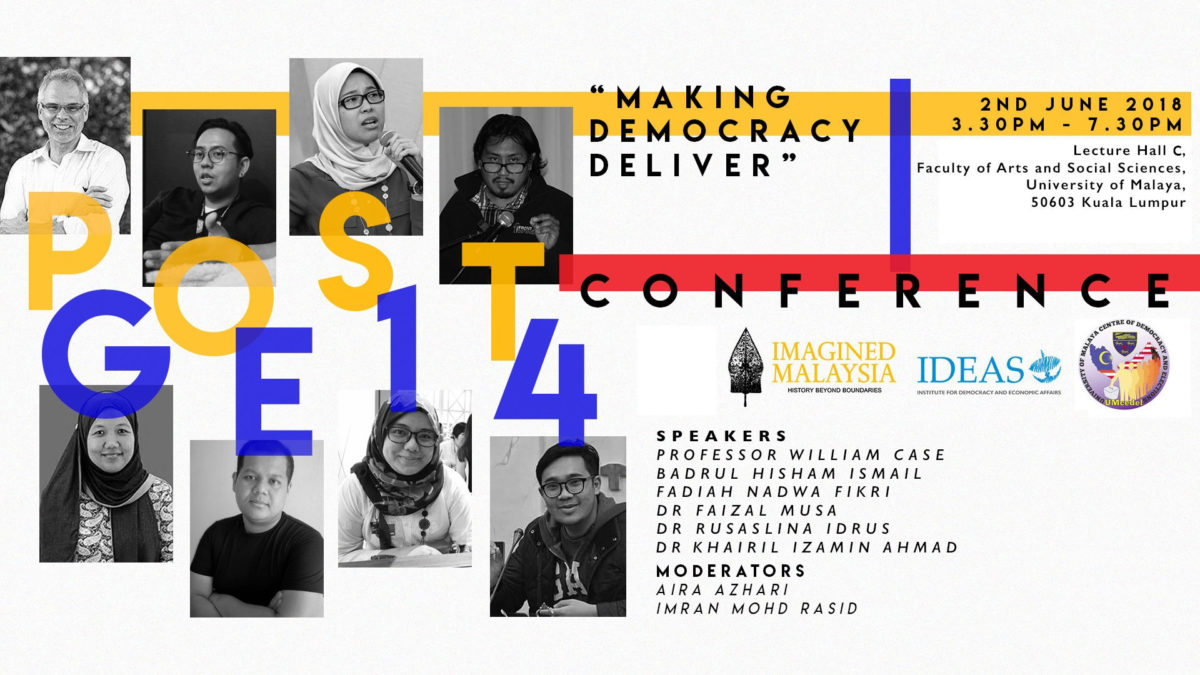
This is Part 1 of our report on Post-GE14 Conference: Making Democracy Deliver, an effort done in collaboration with the Institute of Democracy and Economic Affairs (IDEAS) and Universiti Malaya Centre of Democracy and Elections (UMCEDEL). The purpose of this conference after Malaysia’s 14th General Election was to discuss the broader direction of Malaysian society…
-
Post-GE14: Is Democracy a Weapon for the Weak?
This is Part 2 of our report on Post-GE14 Conference: Making Democracy Deliver. Click here to read the Part 1. The second session focused on how marginalised communities in Malaysia have interacted with the democratic system in the past, and whether or not their voices can now be heard amidst new political configurations. “We need…
-
The Mysterious Ali of the ‘Malay Archipelago’
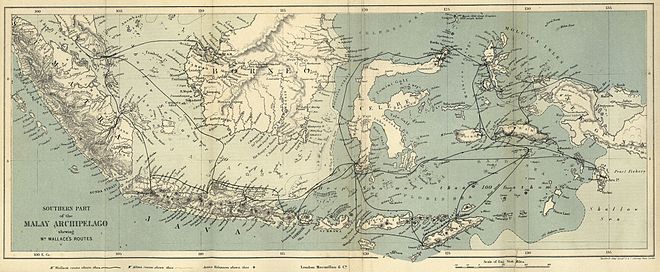
Tom McLaughlin holds a Masters in Political Science and International Affairs and currently resides in Sarawak. Together with his wife, Suriani binti Sahari, they conducted an oral history and archival investigation of the enigmatic persona “Ali” in the classic text on Borneo’s natural history, Malay Archipelago by Alfred Wallace. This essay explores the oral history of Ali…
-
Collective Amnesia: The Japanese Occupation of the Phillipines
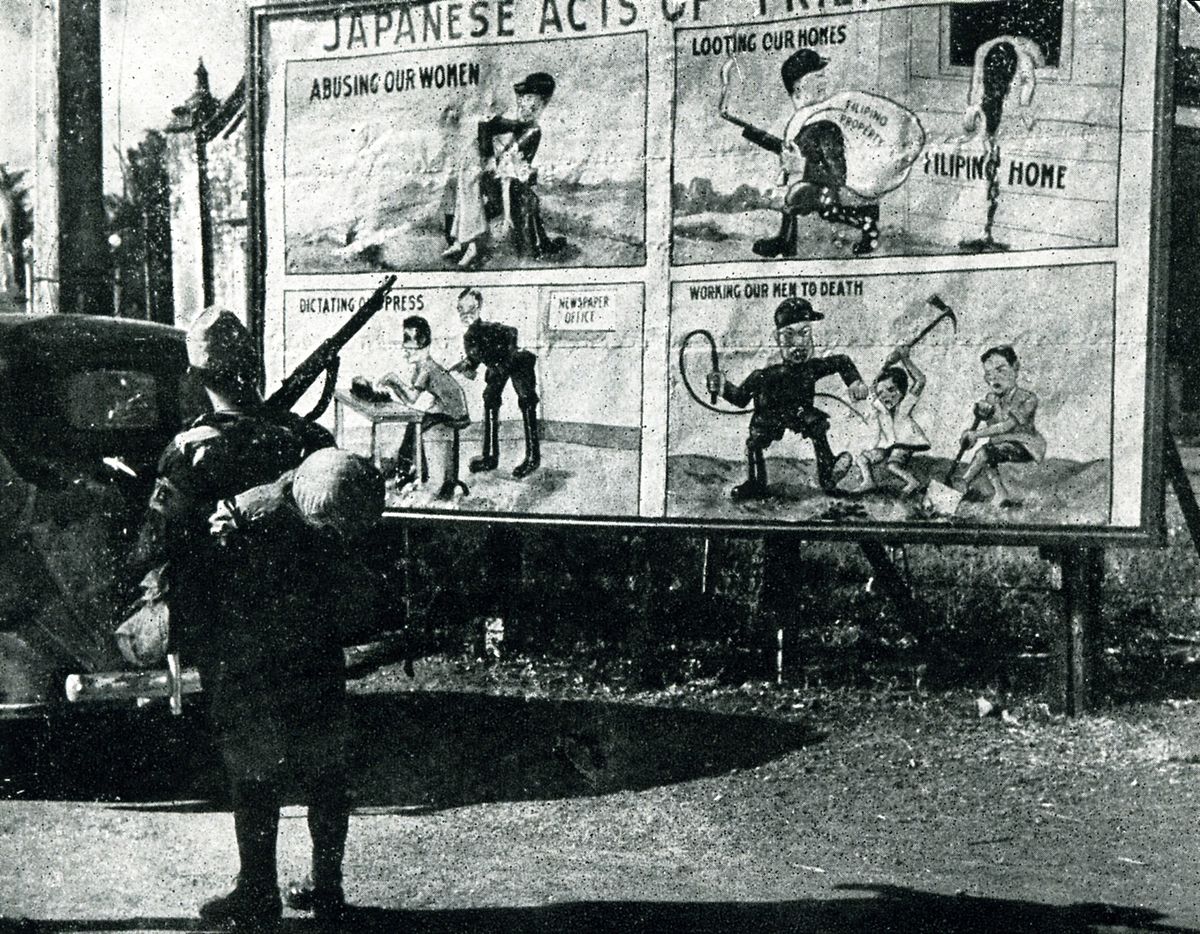
Stephanie Ann B. Lopez, a student of Psychology at University of the Phillipines Dilliman writes a short story about the horrors of the Japanese Occupation in the Phillipines during the Second World War. Her descriptions are based on documentaries and narratives about this particular period of the country’s history. It was like any other afternoon. I…
-
The Hybridity of Malay Islam (1500-1800) Part 2: An Entanglement of ‘Adat’ and Politics
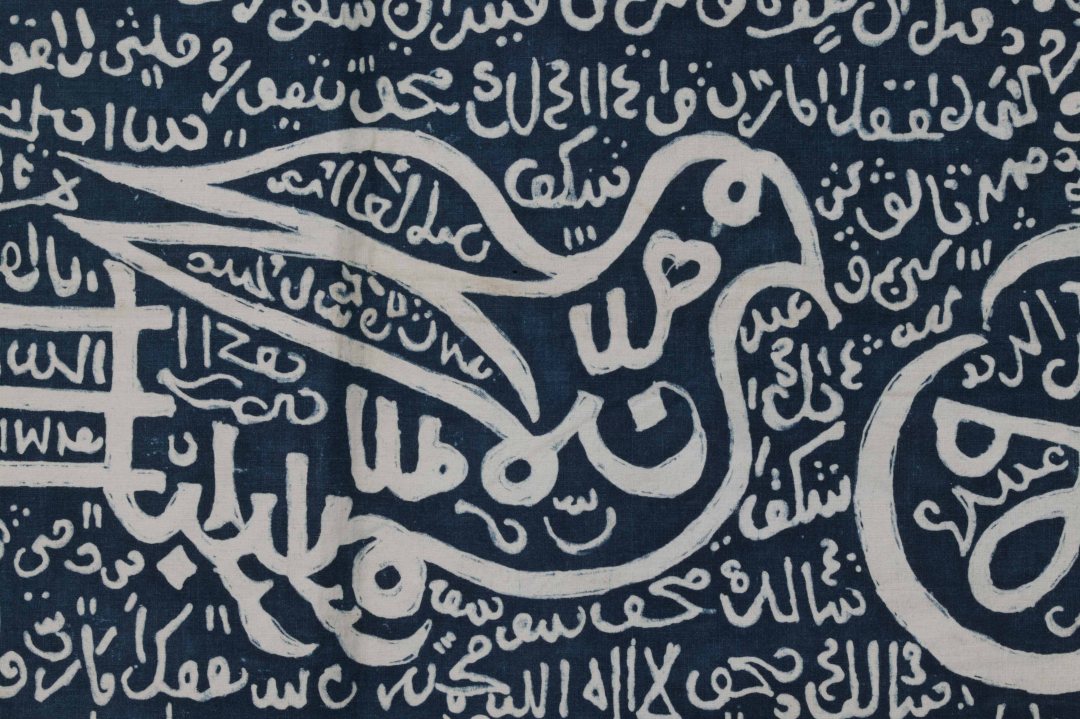
This is a two-part essay on the complex history of Islam in the Malay World by Lhavanya Dharmalingam, a student of International Relations at the University of Nottingham Malaysia Campus. The first part of the essay outlines how the process of Islamisation took place in the region due to the openness of Malay cultural life which allowed for…
-
The Hybridity of Malay Islam (1500-1800) Part I: Islamisation and Sufism as Key Elements of Identity
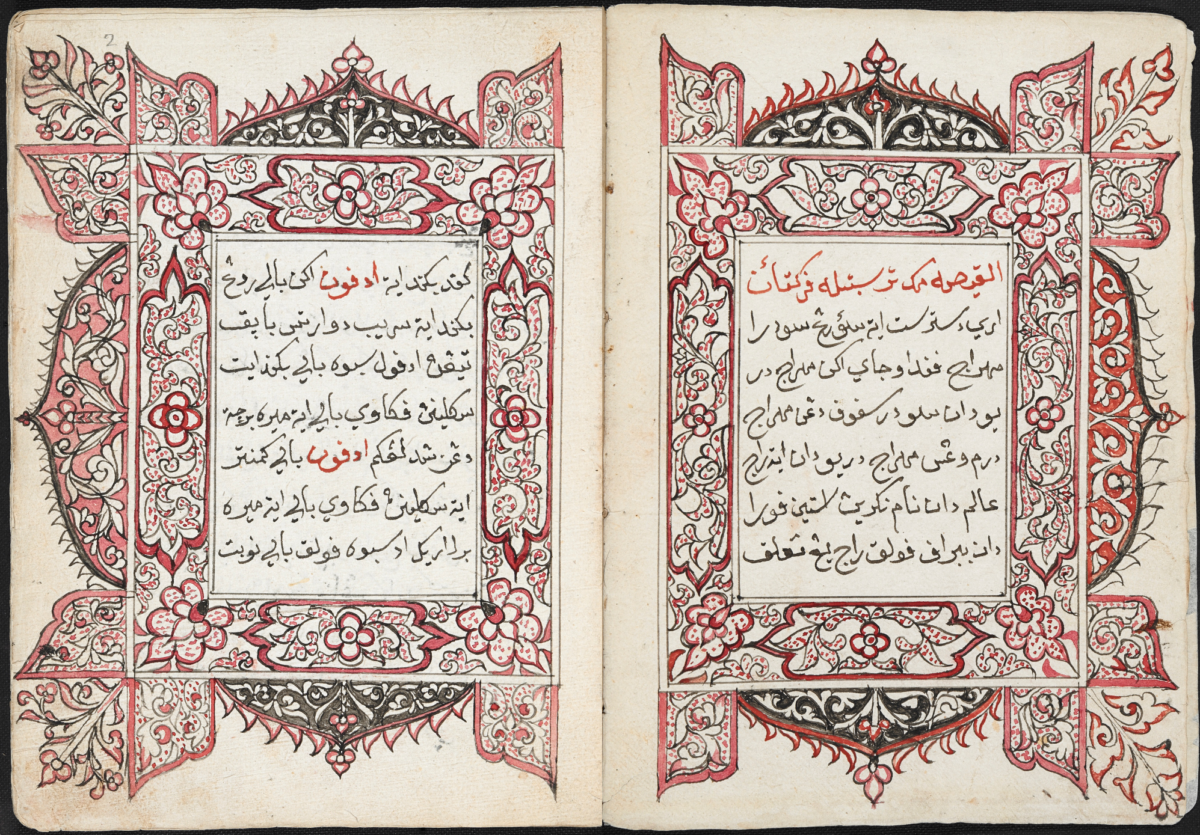
The integration of Islam into the Malay world occurred as a constant flux over time and its formulation across the Malay world was neither consistent nor constant. The religion, especially the Sufi school of Islam had a tremendous impact within those four centuries, altering the social and political fabric of the Malay ruled areas of…
-
What Really Caused the Philippine Revolution?
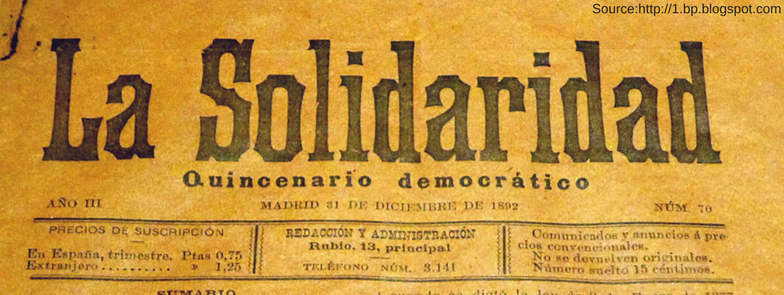
The batteries are gradually becoming charged, and if the prudence of the government does not provide an outlet for the currents that are accumulating, someday the spark will be generated. – Jose Rizal, The Philippines a Century Hence The Philippine Revolution which begun in 1896 saw the rise of the demands and grievances of the…
